

Authorities in Sunderland, England, seized 188,640 packets of cigarettes and 74.75 kilograms of hand-rolling tobacco suspected of being illegally imported during an operation last month at a house in Easington Lane. Northumbria Police and Sunderland City Council’s trading standards team recovered the products, which are valued at more than £1 million, according to HM Revenue and Customs. An investigation is ongoing. Sunderland City Council and police urged the public to report suspected illegal tobacco sales, citing their impact on legitimate retailers and links to organized crime.
Tag: illicit tobacco
-

China Destroys $355M of Illicit Tobacco, Nicotine Products
Chinese authorities destroyed 188 million smuggled cigarettes, 55,000 e-cigarettes, and 2.7 metric tons of cut tobacco Oct. 12 as part of a nationwide crackdown on tobacco-related crimes. The coordinated operation took place in several regions, including Guangdong, Guangxi, Yunnan, and Xinjiang. Since the start of 2026, a joint campaign involving 13 government departments, including the State Tobacco Monopoly Administration, Ministry of Public Security, and General Administration of Customs, has led to investigations of more than 4,500 smuggling cases and seizures of approximately 1.3 billion cigarettes, 150,000 cigars, and 39.8 metric tons of cut tobacco and tobacco leaves. The seized products were valued at 2.37 billion yuan ($355.5 million).
The campaign targets tobacco products manufactured illegally overseas and smuggled into China, with enforcement covering purchasing, transportation, storage, and sales. Authorities have increased inspections at ports and border areas and expanded international law enforcement cooperation to disrupt smuggling routes.
-

French Retailers Cite Cross-Border Tobacco Trafficking
French tobacconists near the Spanish and Italian borders are calling for action against what they describe as growing “nicotrafficking,” as lower cigarette prices in neighboring countries fuel cross-border purchases and resale in France. A pack that costs nearly €13 in France can be purchased for about €5.50 in Italy and between €5 to €6.25 in Spain, according to TF1. In the Alpes-Maritimes region, authorities administratively closed 32 establishments in 2025 for involvement in the illicit tobacco market.
Claude Ferreri, vice president of the Alpes-Maritimes tobacconists, said legal tobacco sales have fallen 10% to 15% since 2024 and argued that narrowing the price gap with Italy could curb trafficking. Ferreri claimed that about half of cigarettes consumed in France bypass the legal tobacconist network, representing roughly 26 billion cigarettes annually.
-

Germany Steps Up Enforcement Against Illegal Vapes
According to an article by Stuttgarter Zeitung published today (Oct. 7), German authorities are stepping up enforcement against illegal disposable e-cigarettes amid concerns over products that bypass regulatory and tax requirements and are increasingly marketed to young people. The report on enforcement efforts in Berlin highlighted a raid targeting businesses selling unauthorized disposable vapes, while authorities continue broader investigations into illicit vape distribution.
The scale of the market was underscored by a separate investigation that found more than 7.6 million nicotine-containing disposable vapes had been imported illegally into Germany between January 2024 and March 2025, resulting in an estimated €33.3 million in lost excise tax. Authorities have also seized large quantities of illegal vapes in raids as they target distributors and organized networks behind the trade.
-

Queensland Legal Cigarette Sales Surge After Illicit Crackdown
Legal cigarette sales in Queensland, Australia, rose 55% in the first month after tougher enforcement laws took effect in November and remained 40% to 45% above previous levels for the following six months, according to retailer data provided to Australia’s Illicit Tobacco and E-cigarette Commissioner. The increase contrasts with a largely flat national market and comes as Queensland has stepped up efforts to shut illicit tobacco, vape, and nicotine pouch retailers. More than 300 closure orders have been issued in the state since November, contributing to the closure of more than 1,000 illicit tobacco shops nationwide.
The crackdown is projected to generate A$89 million ($62.3 million) in additional tobacco excise revenue and A$11 million ($7.7 million) in GST over two years, potentially covering enforcement costs. Quitline calls more than doubled in the 10 days following major enforcement operations, while a recent 10-day blitz resulted in 148 store closures and seizures of 11.8 million cigarettes, 1.7 tonnes of loose tobacco, 87,000 vapes, and 270,000 nicotine pouches.
-

NZ Proposes Tougher Penalties for Tobacco Smuggling
New Zealand is proposing tougher penalties for tobacco smuggling and excise evasion, including increasing the maximum prison term from six months to seven years. The government also plans to introduce new offenses and fines for selling tobacco that does not comply with the country’s packaging requirements, including a fine of up to NZ$2,000 ($1,120) and a strict-liability penalty of up to NZ$200,000 ($112,000) for manufacturers, importers, and distributors. The maximum penalty for an existing knowledge-based packaging offense would increase from NZ$50,000 to NZ$100,000 ($28,000 to $ $56,000).
The changes would be introduced through amendments to the Smokefree Environments and Regulated Products Act 1990. The government said Customs seized 12 million cigarettes and 1.7 tons of loose tobacco at the border between January and Sept. 1. The proposals would also align penalties for selling small quantities of tobacco with those for packaging offenses and strengthen consequences for specialist vape retailers that breach regulations.
-
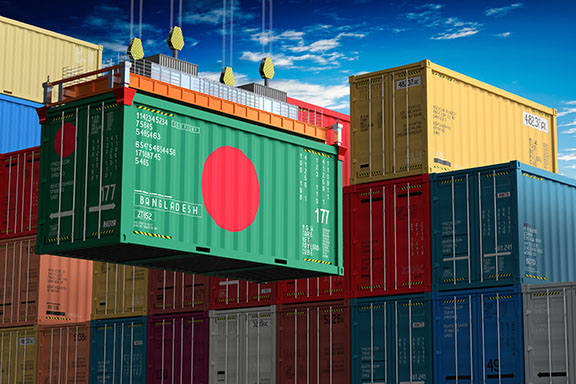
Bangladesh Seizes 8.25 Tons of Tobacco-Like Materials
Bangladesh customs officials seized about 17.5 tons of goods at Chattogram Port after finding discrepancies between the declared and actual contents of two consignments imported under the name of Authoy Enterprise. The shipment included tobacco or tobacco-like materials and scrap paper, according to the National Board of Revenue.
The first consignment was declared as pan masala and zarda, or chewing tobacco, but contained 8,250.4 kilograms, or about 8.25 tons, of tobacco or tobacco-like material. Some materials appeared to be powdery substances resembling narcotics, though laboratory testing is required to determine their composition. The second consignment was declared as printed paper catalogues but contained 9,263 kilograms, or about 9.26 tons, of scrap paper.
Authoy Enterprise’s proprietor told customs officials that he and the company were unaware of the imports and suspected their name and import information had been misused. Authorities are investigating the shipments and whether any offences were committed.
-

Report Finds EU Lagging in Fight Against Illicit Tobacco
The European Court of Auditors (ECA) says the European Union lacks reliable data on the size and impact of the illicit tobacco market and that fragmented national rules and weak coordination are leaving gaps that criminal groups can exploit. Euractiv reported that the auditors estimate the illicit tobacco trade costs the EU and its member states about €13 billion in lost revenue annually, although the ECA cautioned that the estimate should be treated carefully. Euractiv also highlighted the ECA’s criticism of limited transparency around bilateral agreements between EU governments and tobacco companies to combat illicit trade.
EUobserver reported that the ECA found one in 10 cigarettes made in the EU is either illegally produced or smuggled, while vapes and heated tobacco products account for 13% of the illicit market by value. EUobserver also said the European Anti-Fraud Office helped prevent €178 million in lost tax revenue in 2025 and that the European Commission has accepted most of the ECA’s recommendations but rejected some proposals, including a coordinated EU monitoring system and a framework for assessing member states’ effectiveness in fighting illicit tobacco.
-

Australia’s Coalition Looking to Stop Illicit Tobacco, Gangs
Australia’s opposition Coalition has unveiled a plan to tackle the country’s illicit tobacco and vape trade by cutting tobacco excise by 80% and committing A$200 million ($140 million) to a nationwide law-enforcement crackdown. The Coalition estimates organized crime groups make A$4.1 billion to A$6.9 billion ($2.9 billion to $4.8 billion) annually from illicit tobacco, with proceeds funding drug trafficking, scams, money laundering, and violence. Opposition Leader Angus Taylor said the plan would attack criminal gangs by narrowing the price gap between legal and illegal cigarettes while strengthening efforts to shut illegal retailers, intercept shipments, and trace criminal finances.
The proposal would cut excise on a standard 20-pack from about A$30 to just over A$6 ($21 to $4.20) and legalize, regulate, and tax vapes and nicotine pouches for adults. The Coalition says illicit tobacco now accounts for about 80% of consumption and 95.7% of e-cigarettes sold are illegal, arguing current restrictions have pushed consumers toward criminal suppliers. It also proposes A$60 million ($42 million) for public education and says Parliamentary Budget Office modelling indicates the package could improve the budget balance by about A$8 billion ($5.6 billion) over four years and more than A$20 billion ($14 billion) over a decade.
-
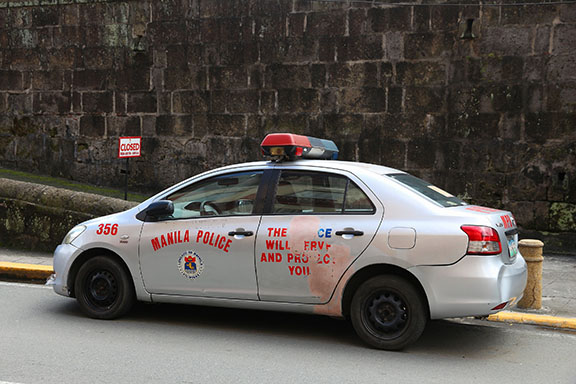
Philippines Says 93% of Vape Brands Unregistered
The Philippines’ Department of Trade and Industry (DTI) said 292 of 313 vape brands (93%) identified in the market are not registered with the agency. DTI Assistant Secretary Marcus Valdez II disclosed the figures during an Aug. 25 House Ways and Means Committee hearing on tobacco and vapor excise taxes.
Lawmakers and government agencies are considering a single excise tax rate for nicotine salt and freebase vapor products, arguing the current two-tier system contributes to tax leakage and illicit trade. “They will not register because the tax is too high,” committee chairman Miro Quimbo said. The Bureau of Internal Revenue reported 6,196 tobacco and vape enforcement operations in 2026, generating an estimated P1.7 billion ($27 million) in excise taxes.
The Bureau of Customs reported 253 tobacco seizures worth P10 billion ($160 million) and 18 vapor-product seizures worth P1.6 billion ($25.6 million) this year, compared with P1.87 billion and P649 million ($29.9 million and $10.4 million), respectively, in 2025. Lawmakers cautioned that excessive taxes could drive more consumers toward illicit products, with Rep. Roberto Nazal saying authorities should avoid “overtax[ing] to the point that we will promote further smuggling.”