Tag: illicit tobacco

  • S. Africa Trying to Flip ‘Inadequate’ Illicit Tobacco Response

    S. Africa Trying to Flip ‘Inadequate’ Illicit Tobacco Response

    South Africa’s response to illicit tobacco remains inadequate, with legislative gaps, weak enforcement, and entrenched criminal networks that have been flourishing since the Covid-19 cigarette ban, Stefano Betti of the Transnational Alliance to Combat Illicit Trade said at the EMEA Security Conference in Cape Town. He said illicit cigarettes may now account for between 50% and 75% of the market, driven largely by local under-declaration of production to evade taxes, creating severe price distortions between legal and illegal products and fueling money laundering risks.

    While acknowledging progress such as the creation of the Border Management Authority, efforts by the National Prosecuting Authority, and South Africa’s exit from the Financial Action Task Force grey list, Betti stressed that political commitments must translate into operational results. Echoing the call for stronger action, Kobus Lategan of the South African Police Service said authorities are preparing a large, intelligence-led national operation under direction from Cyril Ramaphosa to target illicit trade and counterfeit goods through coordinated enforcement across agencies and with private-sector support.
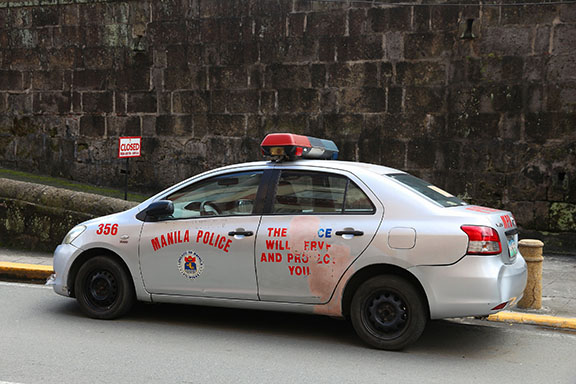
  • Philippines Bust Seizes $23M in Illicit Vape Products

    Philippines Bust Seizes $23M in Illicit Vape Products

    The Philippines Department of Trade and Industry and the Bureau of Customs seized P1.4 billion ($23.3 million) worth of illegal vaporized nicotine products in a warehouse raid in San Rafael Village, Navotas City, confiscating over 3.2 million vape devices and pods along with branded promotional items. The shipments lacked Philippine Standard Licenses and Import Commodity Clearance, violating Republic Act 11900 and related Customs regulations, and are now subject to forfeiture and condemnation proceedings to prevent reentry into the market. Authorities warned that violators may face substantial fines, imprisonment, revocation of licenses, and recall of noncompliant products.

  • Philippines Calling on Locals to Curb Tobacco Smuggling

    Philippines Calling on Locals to Curb Tobacco Smuggling

    The Philippines’ National Tobacco Administration called on local government units to intensify enforcement against cigarette smuggling, which the Bureau of Internal Revenue estimates is costing the country between P40 billion and P52 billion ($680–$884 million) annually. The push follows recent seizures, including a March 17 operation in Maguindanao del Norte that recovered P6.46 million ($110,000) worth of illicit cigarettes, underscoring the scale of the problem.

    NTA Administrator Belinda S. Sanchez warned that smuggling threatens public health, government revenue, and the livelihoods of around 2.2 million farmers and workers. Authorities, including the Philippine National Police, are ramping up joint operations, with nearly P3 billion ($51 million) in illicit products seized in late 2025, while reminding retailers that violations under the Anti-Agricultural Economic Sabotage Act of 2024 can carry life imprisonment and heavy fines.

  • Facing $900M Tax Loss, Thailand Cracking Down on Illicit Tobacco

    Facing $900M Tax Loss, Thailand Cracking Down on Illicit Tobacco

    Thailand is intensifying its crackdown on illicit tobacco and e-cigarettes as authorities seek to curb revenue losses and protect public health. The Customs Department reported seizing over 27.3 million illegal cigarettes and 205,000 e-cigarettes worth more than 169 million baht ($5.1 million) in recent operations, highlighting the scale of the underground market. Officials estimate that illicit cigarettes account for around 25% of national consumption, resulting in annual tax losses exceeding 30 billion baht ($900 million), while also distorting competition for legitimate businesses and posing broader security and health risks.

    Authorities say smuggling networks continue to evolve, with Thailand acting as a key transit hub due to its extensive logistics infrastructure, and the southern border identified as a major entry point for illegal cigarettes. In response, enforcement efforts are shifting toward targeted intelligence-led operations, leveraging AI and data analytics to improve detection, alongside stricter penalties—including proposed per-unit fines for e-cigarettes—to close regulatory loopholes. The government aims to dismantle distribution networks, including online channels, while accelerating the destruction of seized products and reinforcing multi-agency cooperation to restore market integrity and safeguard tax revenues.

  • Cimabel Calls for Policy Rethink as Untaxed Tobacco Tops 44% in Belgium

    Cimabel Calls for Policy Rethink as Untaxed Tobacco Tops 44% in Belgium

    Contraband cigarette consumption in Belgium surged in 2025, with illicit and untaxed foreign products accounting for 44.4% of total consumption in Q4, up from 34.9% a year earlier, according to Cigarette Manufacturers of Belgium and Luxembourg (Cimabel). The rise contributed to an estimated €3 billion loss in excise and VAT revenues, while counterfeit cigarettes increased to 4.6% of the market, raising concerns over unregulated production and potential health risks. Most untaxed cigarettes originated from lower-price markets such as Bulgaria, Luxembourg, and Turkey, with urban areas particularly affected by high levels of illicit purchasing.

    Industry representatives attribute the growth in illegal trade to rising tobacco taxes and regulatory pressure, warning that price disparities are pushing consumers toward black market channels. Cimabel has called for a policy rethink, including harmonizing excise rates across the EU, strengthening customs enforcement, and expanding access to reduced-risk nicotine alternatives, as authorities face mounting challenges in balancing fiscal policy with illicit trade control.

  • Australia Steps Up Illicit Tobacco Crackdown

    Australia Steps Up Illicit Tobacco Crackdown

    Australia is ramping up its response to the illicit tobacco and vape market, with plans for tougher penalties, new offences, and expanded enforcement powers targeting organized crime, according to the Australian Broadcasting Corporation. More than half of tobacco products sold are estimated to be illegal, generating between A$4.1 billion and A$6.9 billion ($2.9-$4.8 billion) for criminal groups and costing up to A$11.8 billion ($8.3 billion) in lost excise revenue. Proposed reforms include tripling jail terms, enabling asset seizures, and elevating tobacco offences to “serious crime” status.

    Former Australian Border Force officer Rohan Pike said stronger penalties would be welcome if “enforced rigorously and in a sustained way,” but cautioned that enforcement alone is insufficient. He noted excise remains an “ongoing imbalance in the market” and argued it “needs to be reviewed… to reduce the incentive for criminals,” while also highlighting the need for greater consistency across state and territory enforcement frameworks.

    Authorities said enforcement efforts would increasingly focus on disrupting domestic distribution, including shutting illegal retail outlets, penalizing landlords, and targeting online sales channels, as well as addressing the rapid growth of illicit nicotine pouch imports.

  • Surging Illicit Tobacco Market Costs Thailand $930M

    Surging Illicit Tobacco Market Costs Thailand $930M

    Thailand is losing nearly 30 billion baht ($930 million) annually to the illegal tobacco market, which now accounts for about 25% of total tobacco consumption in the country, according to a report by the EU-ASEAN Business Council. The surge in illicit trade, driven by expanded trade links and smuggling networks, is undermining state tax revenue, fair competition, and consumer safety. The government has responded with high-profile enforcement actions, including a recent operation in southern Thailand that seized over 20 million illegal tobacco items and levied fines exceeding 1 billion baht ($31 million).

    While crackdowns provide short-term relief, experts stress that a long-term solution requires system-wide measures, including strengthened supply-chain transparency, harmonized regulations, digital traceability, and regional law enforcement cooperation, to disrupt the entire illegal tobacco network.

  • BAT Uganda Points to Illicits for 18% Revenue Drop

    BAT Uganda Points to Illicits for 18% Revenue Drop

    British American Tobacco Uganda Ltd. reported an 18% drop in gross revenue to Shs 67 billion ($18.1 million) for fiscal 2025, citing a surge in illicit cigarette sales, according to audited results. Net revenue fell 21% to Shs 36.3 billion ($9.8 million), while total comprehensive income declined 19% to Shs 9.8 billion ($2.6 million). The company attributed the decline to rising tax-evaded cigarette consumption, which research shows reached 45% of the market by December 2025, up from 34% the previous year — equivalent to an estimated Shs 53 billion ($14.3 million) loss in government revenue. Operating costs fell 21% to Shs 24 billion ($6.5 million), but net asset value dropped sharply to Shs 32.5 billion ($8.8 million) from Shs 49.3 billion ($13.3 million) in 2024.

    Despite the downturn, BAT Uganda’s tax contributions rose 4% to Shs 46.4 billion ($12.5 million), aided by capital gains from the sale of a non-strategic asset. The board proposed a final dividend of Shs 199 ($0.054) per share, down 5% from 2024, payable July 31 to shareholders on record as of July 24. Company secretary Paul Mbuga emphasized the need for a multi-agency government response, particularly at the South Sudan border, to combat illicit imports, noting that contraband cigarettes often bypass digital tax stamps and health warnings, undercutting prices and presenting public health risks.

  • Concerns Loom Over S. Africa Tobacco Control Bill

    Concerns Loom Over S. Africa Tobacco Control Bill

    South Africa’s tobacco policy debate sharpened this week after Finance Minister Enoch Godongwana used his Budget speech to warn that illicit trade is inflicting serious damage on the economy, while hours later the Department of Health faced pointed pushback in Parliament over whether its Tobacco Products and Electronic Delivery Systems Control Bill adequately addresses that crisis. Appearing before the Portfolio Committee on Health, officials defended the Bill’s public health rationale, arguing it does not ban cigarettes and that smoking imposes greater economic costs than it generates. However, MPs from multiple parties pressed the Department on estimates that as much as 70% of the cigarette market may be illicit, questioning whether the proposed measures meaningfully target the dominant illegal segment.

    Lawmakers repeatedly raised concerns about enforcement capacity, proportionality, and the risk that additional regulatory burdens — such as plain packaging and stricter penalties — could further advantage criminal syndicates if illicit trade remains unchecked. The Department leaned on international precedent and South Africa’s obligations under the WHO Framework Convention on Tobacco Control, while some MPs called for greater differentiation between combustible and non-combustible products and more realistic alignment with local enforcement realities.

  • Thai Smugglers Move to ‘Ant-Worker’ Tactics as Seizures Increase

    Thai Smugglers Move to ‘Ant-Worker’ Tactics as Seizures Increase

    The Thai Customs Department has intensified its crackdown on tax-evading goods, seizing more than 27.3 million foreign cigarettes and 205,445 e-cigarette units worth an estimated 169.6 million baht ($5.4 million) between October 2025 and mid-February 2026. Director-General Phanthong Loykulnunt said smuggling networks have shifted to “ant-worker” tactics, moving contraband in small parcels via private couriers and concealing goods in commercial lorries to evade checkpoints, prompting authorities to deploy handheld X-ray scanners nationwide. Major operations included a Central Thailand raid with Mae Klong Customs that uncovered 12.5 million cigarettes valued at 62 million baht ($2 million), seizures worth 36 million baht ($1.2 million) in Songkhla and Tak Bai, and a Bangkok raid in Khan Na Yao district that netted hybrid e-cigarettes and IQOS devices worth 10 million baht ($320,000). At Bangkok Port, Customs and the Department of Special Investigation inspected seven overdue containers, discovering over 46,000 disposable vapes hidden among legitimate cargo.