Tag: India

  • Indian Students Launch Pocket Spittoon to Tackle Health Issue

    Indian Students Launch Pocket Spittoon to Tackle Health Issue

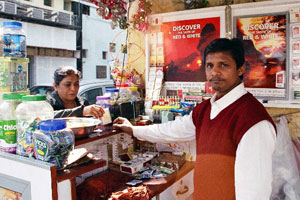
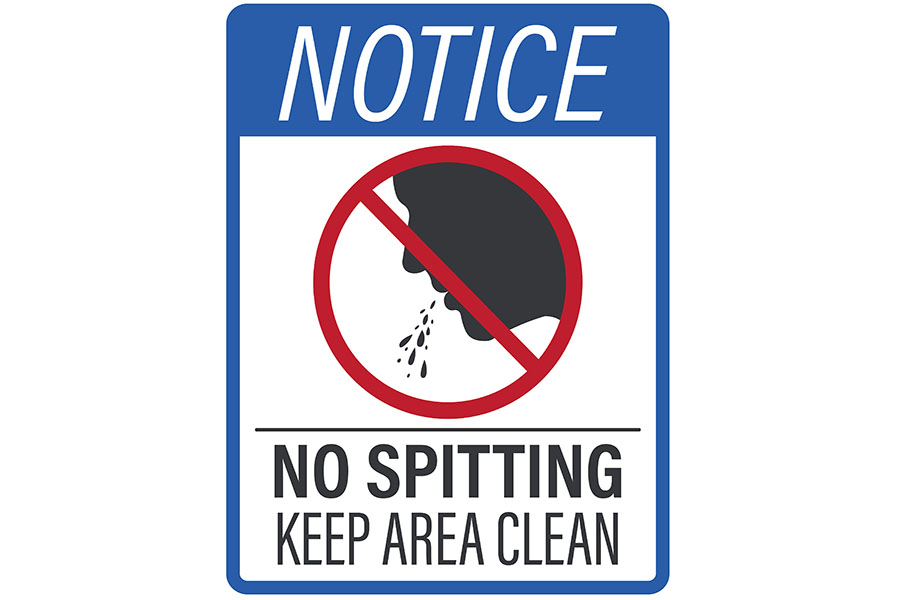
    Solutionaries, a student collective in India, has developed a pocket-sized spittoon aimed at reducing public spitting, a persistent hygiene problem linked to oral cancers and respiratory diseases affecting an estimated 200 million people nationwide. The portable device locks after use, absorbs liquid, and minimizes odors, allowing users to spit cleanly instead of on streets, buses, or railway stations.

    Designed to be carried in a pocket or bag, the spittoon encourages personal responsibility while addressing health risks associated with chewing tobacco, paan, or gutkha. The creators, hailing from underserved communities, emphasize that changing public behavior requires practical, accessible tools rather than solely relying on penalties or awareness campaigns.

    The pocket spittoon joins other Indian innovations such as EzySpit biodegradable pouches and AI-based detection apps like Swachh AI, reflecting a growing focus on combining education, technology, and low-cost solutions to improve public hygiene and curb tobacco-related health problems.

  • Indian Police Seize 2,700 kg of Illicit Tobacco Products

    Indian Police Seize 2,700 kg of Illicit Tobacco Products

    Police in India seized more than 2,700kg of banned tobacco products in Thirumudivakkam today (Feb. 18) following a tip-off about a Karnataka-registered truck allegedly transporting the contraband for local distribution. Officers traced the vehicle to the Thirumudivakkam industrial estate, where they found it parked alongside a smaller truck; suspects fled the scene as police approached. A search of the vehicles uncovered the banned tobacco products bundled and ready for transport. A case has been registered, and efforts are under way to identify and apprehend those involved in the smuggling operation.

  • India ‘Illogical’ in Keeping Alternative Ban

    India ‘Illogical’ in Keeping Alternative Ban

    India has ruled out easing its 2019 ban on e-cigarettes, confirming that the prohibition will continue to include heat-not-burn tobacco products. The Health Ministry said the government is not considering amendments to the law and remains committed to evidence-based tobacco control measures, reinforcing restrictions in one of the world’s largest cigarette markets, where more than 100 billion cigarettes are sold annually and tobacco use is blamed for over 1 million deaths each year.

    The decision is a setback for Philip Morris International (PMI), which had lobbied Indian officials for years to allow its IQOS heated tobacco device, a move analysts viewed as a significant IQOS driver of future expansion. By maintaining the ban, according to Reuters, India effectively blocks PMI from introducing its flagship smoke-free product into a high-volume market that the company had hoped would support its long-term transition strategy.

    In an interview with Reuters, Jacek Olczak, the firm’s chief executive, said he had engaged with various people in India, adding that it was “illogical” for the market to be closed to smoking alternatives such as heated tobacco and vapes, but not cigarettes.

  • FAIFA: Tax Hike Will Harm Millions of Indian Tobacco Farmers

    FAIFA: Tax Hike Will Harm Millions of Indian Tobacco Farmers

    A new report by the Federation of All India Farmer Associations (FAIFA), developed with Artha Arbitrage Consulting LLP, warns that India’s revised tobacco tax regime, which took effect Feb. 1, could significantly disrupt the country’s flue-cured Virginia (FCV) tobacco sector. The policy reintroduced central excise duties on cigarettes and raised the GST rate on tobacco products to 40% while removing the GST compensation cess, increasing the overall tax burden. The report estimates the changes could reduce FCV crop offtake by nearly 20% and eliminate approximately 2.6 million man-days of employment across farming and related supply chain activities. It also projects illicit cigarette consumption could rise by roughly 39%, potentially exceeding 46 billion sticks, as higher prices shift demand toward unregulated products, while ongoing tax disparities between FCV-based products and other tobacco categories continue to contribute to declining FCV acreage and grower participation.

  • India Withdraws 18% Duty on Unmanufactured Tobacco

    India Withdraws 18% Duty on Unmanufactured Tobacco

    India’s Union government withdrew the 18% central excise duty on unbranded, unmanufactured tobacco and tobacco refuse for retail sale, according to a gazette notification issued on Feb. 1, 2026, the same day the Union Budget for 2026–27 was presented. The move revokes a duty imposed in December 2025 and follows representations from tobacco farmers and industry stakeholders, including a delegation led by the Tobacco Board chairman, who warned the tax would burden growers and disrupt the market. The withdrawal does not affect existing excise duties on cigarettes, which remain unchanged and continue to be levied based on stick length.

  • PM India Fighting Illicit Trade with Intelligence

    PM India Fighting Illicit Trade with Intelligence

    Illicit cigarettes are not a new problem in India, but they are one that continues to grow, Navaneel Kar, managing director of Philip Morris India, told Statesman News Service. According to Euromonitor International, India is now the fourth-largest market for illegal cigarette consumption in the world after China, Brazil, and Pakistan. To get an idea of how big the problem is, Kar said PM India carried out a large intelligence-gathering exercise in 2025 that covered more than 3,000 shops across 10 states. By also engaging with more than 50 government stakeholders, the goal was not just observation but building reliable intelligence that could, in turn, support enforcement agencies and policy discussions.

    Public reports indicate enforcement agencies seized smuggled cigarettes worth about ₹600 crore ($7 billion) in FY25, with data from the Directorate of Revenue Intelligence showing the North-East as the largest hub for seizures, followed by Maharashtra–Goa, Tamil Nadu, and West Bengal.

    PM India said it is supporting the government’s rollout of a Track & Trace system for tobacco products, drawing on global experience from markets where digital tagging of cigarette packs is used to improve supply-chain visibility and curb illegal trade. The company also “supported capacity-building efforts for over 145 officers from customs and tax departments,” according to Stateman News Service.

  • India’s ITC Sees Profits Drop 10% with Labor Charge

    India’s ITC Sees Profits Drop 10% with Labor Charge

    ITC, India’s largest cigarette maker, reported a 10% decline in quarterly profit, weighed down by higher raw material costs and a one-time charge linked to the rollout of the country’s new labor codes. Standalone profit fell to 50.9 billion rupees ($560 million) for the quarter ended December 31, while total expenses rose 5%, partly due to rising prices of leaf tobacco, edible oil, and wheat, according to Reuters.

    Despite the profit drop, ITC’s cigarettes business — its biggest segment — posted an 8% rise in revenue, supported by steady volumes, even as leaf tobacco prices climbed amid stronger export demand. The company warned of further pressure on the sector after India imposed additional excise duty on cigarettes on top of a 40% goods and services tax, a move it said could fuel illicit trade among the country’s estimated 100 million smokers.

  • Indian Tobacco Stocks Slide After New Tax Announced

    Indian Tobacco Stocks Slide After New Tax Announced

    Shares of Indian tobacco companies fell sharply after the government imposed a new excise duty on cigarettes, raising costs for an estimated 100 million smokers. Market leader ITC dropped more than 9%, hitting its lowest level since April 2023, while Godfrey Phillips India, distributor of Marlboro, sank over 14% in its steepest fall in nearly a decade. The sell-off made ITC the biggest decliner on the Nifty 50 and dragged down the FMCG index.
    India’s finance ministry said the new excise duty, effective February 1, will range from 2,050 to 8,500 rupees per 1,000 cigarette sticks, depending on length, on top of the existing 40% Goods and Services Tax. Analysts said the move could raise overall costs for some cigarette categories by 22% to 28%, likely prompting price hikes of 2–3 rupees per stick for longer cigarettes.
    Brokerages warned the tax increase could pressure volumes and revive concerns about a shift toward illicit cigarettes.

  • BAT to Sell Stake in ITC Hotels to Reduce Debt

    BAT to Sell Stake in ITC Hotels to Reduce Debt

    British American Tobacco announced that its subsidiaries plan to sell between 7% and 15.3% of their shares in ITC Hotels through an accelerated bookbuild. The exact number of shares will be set to optimize pricing. Established in 1975, the business of ITC Hotels has grown to encompass over 140 hotels across more than 90 destinations in the Indian subcontinent.

    Proceeds from the sale will help BAT move toward its “target 2–2.5x net debt/EBITDA leverage” by the end of 2026. BAT’s stake in ITC Hotels arose from a recent demerger and is not considered a strategic holding, CEO Tadeu Marroco said. Final sale details will be disclosed after the transaction closes.

  • India Raises Cigarette Tax to Curb Consumption

    India Raises Cigarette Tax to Curb Consumption

    India’s parliament approved the Central Excise (Amendment) Bill 2025, a tax reform expected to raise cigarette prices for the country’s estimated 100 million smokers. The bill was introduced on December 1 and passed on December 3.

    The new law replaces a temporary levy and imposes a value-based tax of 2,700–11,000 rupees ($29–$122) per thousand sticks, depending on size, in addition to a 40% goods and services tax. Experts estimate this could raise excise duties by 25–40% on average, potentially prompting higher retail prices. Finance Minister Nirmala Sitharaman emphasized that cigarettes should not become affordable, noting that current taxes account for about 53% of retail prices.