

A new report by the Federation of All India Farmer Associations (FAIFA), developed with Artha Arbitrage Consulting LLP, warns that India’s revised tobacco tax regime, which took effect Feb. 1, could significantly disrupt the country’s flue-cured Virginia (FCV) tobacco sector. The policy reintroduced central excise duties on cigarettes and raised the GST rate on tobacco products to 40% while removing the GST compensation cess, increasing the overall tax burden. The report estimates the changes could reduce FCV crop offtake by nearly 20% and eliminate approximately 2.6 million man-days of employment across farming and related supply chain activities. It also projects illicit cigarette consumption could rise by roughly 39%, potentially exceeding 46 billion sticks, as higher prices shift demand toward unregulated products, while ongoing tax disparities between FCV-based products and other tobacco categories continue to contribute to declining FCV acreage and grower participation.
Tag: India
-

India Withdraws 18% Duty on Unmanufactured Tobacco
India’s Union government withdrew the 18% central excise duty on unbranded, unmanufactured tobacco and tobacco refuse for retail sale, according to a gazette notification issued on Feb. 1, 2026, the same day the Union Budget for 2026–27 was presented. The move revokes a duty imposed in December 2025 and follows representations from tobacco farmers and industry stakeholders, including a delegation led by the Tobacco Board chairman, who warned the tax would burden growers and disrupt the market. The withdrawal does not affect existing excise duties on cigarettes, which remain unchanged and continue to be levied based on stick length.
-

PM India Fighting Illicit Trade with Intelligence
Illicit cigarettes are not a new problem in India, but they are one that continues to grow, Navaneel Kar, managing director of Philip Morris India, told Statesman News Service. According to Euromonitor International, India is now the fourth-largest market for illegal cigarette consumption in the world after China, Brazil, and Pakistan. To get an idea of how big the problem is, Kar said PM India carried out a large intelligence-gathering exercise in 2025 that covered more than 3,000 shops across 10 states. By also engaging with more than 50 government stakeholders, the goal was not just observation but building reliable intelligence that could, in turn, support enforcement agencies and policy discussions.
Public reports indicate enforcement agencies seized smuggled cigarettes worth about ₹600 crore ($7 billion) in FY25, with data from the Directorate of Revenue Intelligence showing the North-East as the largest hub for seizures, followed by Maharashtra–Goa, Tamil Nadu, and West Bengal.
PM India said it is supporting the government’s rollout of a Track & Trace system for tobacco products, drawing on global experience from markets where digital tagging of cigarette packs is used to improve supply-chain visibility and curb illegal trade. The company also “supported capacity-building efforts for over 145 officers from customs and tax departments,” according to Stateman News Service.
-

India’s ITC Sees Profits Drop 10% with Labor Charge
ITC, India’s largest cigarette maker, reported a 10% decline in quarterly profit, weighed down by higher raw material costs and a one-time charge linked to the rollout of the country’s new labor codes. Standalone profit fell to 50.9 billion rupees ($560 million) for the quarter ended December 31, while total expenses rose 5%, partly due to rising prices of leaf tobacco, edible oil, and wheat, according to Reuters.
Despite the profit drop, ITC’s cigarettes business — its biggest segment — posted an 8% rise in revenue, supported by steady volumes, even as leaf tobacco prices climbed amid stronger export demand. The company warned of further pressure on the sector after India imposed additional excise duty on cigarettes on top of a 40% goods and services tax, a move it said could fuel illicit trade among the country’s estimated 100 million smokers.
-

Indian Tobacco Stocks Slide After New Tax Announced
Shares of Indian tobacco companies fell sharply after the government imposed a new excise duty on cigarettes, raising costs for an estimated 100 million smokers. Market leader ITC dropped more than 9%, hitting its lowest level since April 2023, while Godfrey Phillips India, distributor of Marlboro, sank over 14% in its steepest fall in nearly a decade. The sell-off made ITC the biggest decliner on the Nifty 50 and dragged down the FMCG index.
India’s finance ministry said the new excise duty, effective February 1, will range from 2,050 to 8,500 rupees per 1,000 cigarette sticks, depending on length, on top of the existing 40% Goods and Services Tax. Analysts said the move could raise overall costs for some cigarette categories by 22% to 28%, likely prompting price hikes of 2–3 rupees per stick for longer cigarettes.
Brokerages warned the tax increase could pressure volumes and revive concerns about a shift toward illicit cigarettes. -
BAT to Sell Stake in ITC Hotels to Reduce Debt
British American Tobacco announced that its subsidiaries plan to sell between 7% and 15.3% of their shares in ITC Hotels through an accelerated bookbuild. The exact number of shares will be set to optimize pricing. Established in 1975, the business of ITC Hotels has grown to encompass over 140 hotels across more than 90 destinations in the Indian subcontinent.
Proceeds from the sale will help BAT move toward its “target 2–2.5x net debt/EBITDA leverage” by the end of 2026. BAT’s stake in ITC Hotels arose from a recent demerger and is not considered a strategic holding, CEO Tadeu Marroco said. Final sale details will be disclosed after the transaction closes.
-
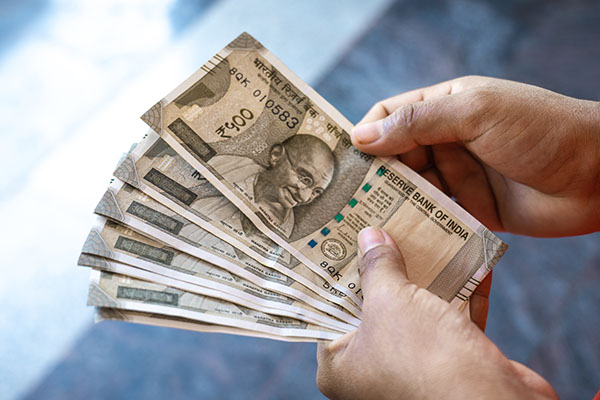
India Raises Cigarette Tax to Curb Consumption
India’s parliament approved the Central Excise (Amendment) Bill 2025, a tax reform expected to raise cigarette prices for the country’s estimated 100 million smokers. The bill was introduced on December 1 and passed on December 3.
The new law replaces a temporary levy and imposes a value-based tax of 2,700–11,000 rupees ($29–$122) per thousand sticks, depending on size, in addition to a 40% goods and services tax. Experts estimate this could raise excise duties by 25–40% on average, potentially prompting higher retail prices. Finance Minister Nirmala Sitharaman emphasized that cigarettes should not become affordable, noting that current taxes account for about 53% of retail prices.
-

India Proposes New Taxes on Tobacco and ‘Sin Goods’
India’s government introduced two new tax bills today (December 1) aiming to maintain high levies on tobacco and other “sin goods” after the Goods and Services Tax (GST) compensation cess expires next year. The Central Excise (Amendment) Bill 2025, proposes excise duties of 60–70% on such products, with cigarette taxes calculated by length and filter type. Finance Minister Nirmala Sitharaman said the GST compensation cess on tobacco will end once all related loan and interest obligations are cleared. A second bill would impose a fixed monthly levy on pan masala and other notified goods.
The revenue is expected to fund health programs and national security while keeping high-risk products expensive to discourage consumption and reduce under-reporting. Both bills require manufacturer registration, including for small-scale and handmade producers.
The legislation is part of a broader tax realignment and will next go to parliamentary panels for review before a likely vote in 2026.
-

India to Use Cess, Not Tax, to Keep Tobacco Revenue Flowing
India’s central government is considering an additional cess (levy) on tobacco products such as cigarettes, gutkha, and chewing tobacco to sustain current tax revenues from these “sin goods” without altering the Goods and Services Tax (GST) framework, Moneycontrol reported. The move comes as the compensation cess regime under GST 2.0 is being phased out on products including tobacco and pan masala.
The Centre reportedly intends to maintain the existing tax incidence through a separate central levy, ensuring states do not lose revenue once the cess mechanism expires. With consumption recovering and sin goods already in the 40% GST bracket, the Centre reportedly does not foresee a significant drop in state collections, opting instead for fiscal measures outside the GST framework to preserve inflows from tobacco and related products.
Currently, tobacco products attract 28% GST plus a cess, bringing the effective tax burden to between 52% and 88%, among the highest for any consumer product. The GST Council, led by Finance Minister Nirmala Sitharaman, has kept this structure in place until at least the end of 2025, when the remaining liabilities under the pandemic-era compensation loan scheme are cleared. Industry observers say the proposed new levy would effectively extend the current tax burden beyond the cess period, maintaining both revenue stability for states and fiscal pressure on tobacco manufacturers.
-

India Opens Fourth National Tobacco Testing Lab
Today (October 14), India opened its fourth national testing lab at NIMHANS in Bangalore, joining an apex lab in Noida and two regional labs in Mumbai and Guwahati. The new lab “is equipped to conduct comprehensive chemical and toxicological analyses of tobacco products, supporting the enforcement of regulatory standards and promoting scientific evaluation in line with national and international guidelines,” the institute said in a statement.
“This initiative is expected to contribute significantly to evidence-based tobacco regulation and support government efforts to reduce the health burden caused by tobacco consumption in India,” the institute said.