Tag: NJOY

  • Walgreens Begins Selling Vapes Again

    Walgreens Begins Selling Vapes Again

    Walgreens began selling vape products in many of its U.S. stores, marking a notable reversal of its 2019 decision to pull e-cigarettes amid concerns over youth use, according to Crain’s Chicago Business. The move comes after the struggling pharmacy chain was acquired by private equity firm Sycamore Partners last year and reflects efforts to open new revenue streams as the retail pharmacy sector faces pressure from online competition and lower reimbursement rates.

    Juul Labs said its products are, or will soon be, available in about 6,000 of Walgreens’ nearly 8,500 locations, while Altria-owned NJOY also lists Walgreens as a retail partner. Walgreens said it is offering “compliant products” for adult consumers, citing changes in the regulatory landscape after the FDA authorized several vaping products starting in 2021.

    Many Walgreens locations still sell cigarettes, though some states and local governments prohibit such products in “pharmacies.”

  • Altria Pushes to End Juul’s ITC Patent Investigation

    Altria Pushes to End Juul’s ITC Patent Investigation

    NJOY and Altria Group are asking a federal judge in Virginia to immediately halt a U.S. International Trade Commission investigation triggered by Juul Labs’ nicotine-salt patent claims, arguing the ITC lacks constitutional authority to hear the case. In a reply filed Tuesday (January 6) in the U.S. District Court for the Eastern District of Virginia, the companies urged the court to grant summary judgment and permanently enjoin the ITC proceeding rather than allow it to continue while constitutional challenges are litigated.

    The filing argues the investigation violates the Appointments Clause, improperly insulates ITC administrative law judges through double for-cause removal protections, and infringes Article III limits, citing the Supreme Court’s decision in SEC v. Jarkesy. Altria and NJOY contend they are suffering irreparable harm by being subjected to an allegedly unconstitutional process, noting the ITC has scheduled an evidentiary hearing for April 22, 2026.

  • Juul, NJOY, and Altria Battle Over Public Document Case

    Juul, NJOY, and Altria Battle Over Public Document Case

    Juul Labs asked a federal court in Arizona to block rivals NJOY and Altria from using documents hosted in a public University of California, San Francisco (UCSF) database, according to a joint court filing dated December 24. The dispute arises in an ongoing patent lawsuit, with Juul arguing that some documents were inadvertently disclosed during a large-scale production tied to state settlement agreements and remain protected by attorney–client privilege.

    NJOY and Altria oppose the request, saying the documents have been publicly accessible online for months or years and are therefore no longer privileged. They argue the materials may contain evidence relevant to alleged misconduct in Juul’s patent filings. After failed negotiations, the issue has been submitted to U.S. District Judge John J. Tuchi, who will decide whether the publicly available documents can be excluded from use in the litigation.

  • Altria, NJOY Sue U.S. ITC for ‘Unconstitutional’ Process Amid Juul Patent Fight

    Altria, NJOY Sue U.S. ITC for ‘Unconstitutional’ Process Amid Juul Patent Fight

    Altria Group Inc. and its NJOY vaping subsidiary filed a federal lawsuit in the Eastern District of Virginia on November 7, challenging the constitutionality of the U.S. International Trade Commission’s (ITC) administrative law judge (ALJ) appointment process. According to Bloomberg Law, the companies argue that ITC ALJs are “inferior officers” who must be appointed by the president, a court, or a department head — not by the ITC chair alone — as required by the Constitution’s Appointments Clause and Article II.

    Altria and NJOY further contend that the agency’s removal protections for ALJs violate the separation of powers and that the ITC’s adjudicative process deprives them of their Article III and Seventh Amendment rights to a jury trial. The suit seeks to block a pending ITC patent case brought by Juul Labs Inc.

    Juul’s complaint, originally filed in June 2023, accused NJOY of importing and selling vaping devices that infringe four Juul vaporizer patents. On January 29, 2025, the ITC issued a final determination finding that NJOY’s products infringed the asserted patents and imposed a limited exclusion order and cease-and-desist orders against NJOY and Altria. Those orders were set to take effect March 31, 2025, unless overturned by the Office of the U.S. Trade Representative.

    In parallel, Altria and NJOY launched their own ITC action against Juul, but the commission terminated that case on March 3, 2025, ruling that Juul did not infringe the patents asserted by Altria.

  • Altria Drops Suit as Elf Bar Exits California Market

    Altria Drops Suit as Elf Bar Exits California Market

    Elf Bar’s parent company, iMiracle, agreed to cease sales of flavored disposable vapes in California, effectively ending a protracted legal battle with Altria’s e-cigarette unit NJOY. Under a joint motion, iMiracle will accept a permanent injunction preventing it from selling or shipping flavored vape products into California and will also refrain from shipping to other jurisdictions if the products are likely destined for California.

    The lawsuit, initially filed in late 2023, alleged that iMiracle’s flavored products competed unfairly with NJOY’s FDA-authorized devices and violated California’s flavored tobacco ban and federal regulations. Most defendants in the original suit were dropped; iMiracle remained the principal target.

    Though iMiracle denies liability, it agreed that violation of the injunction would be treated as contempt of court. The settlement is conditioned on California maintaining its current flavor ban; if the law is repealed or amended substantially, the injunction may no longer apply.

  • NJOY Sues FDA Over Delays in Flavored E-Cigarette Approval

    NJOY Sues FDA Over Delays in Flavored E-Cigarette Approval

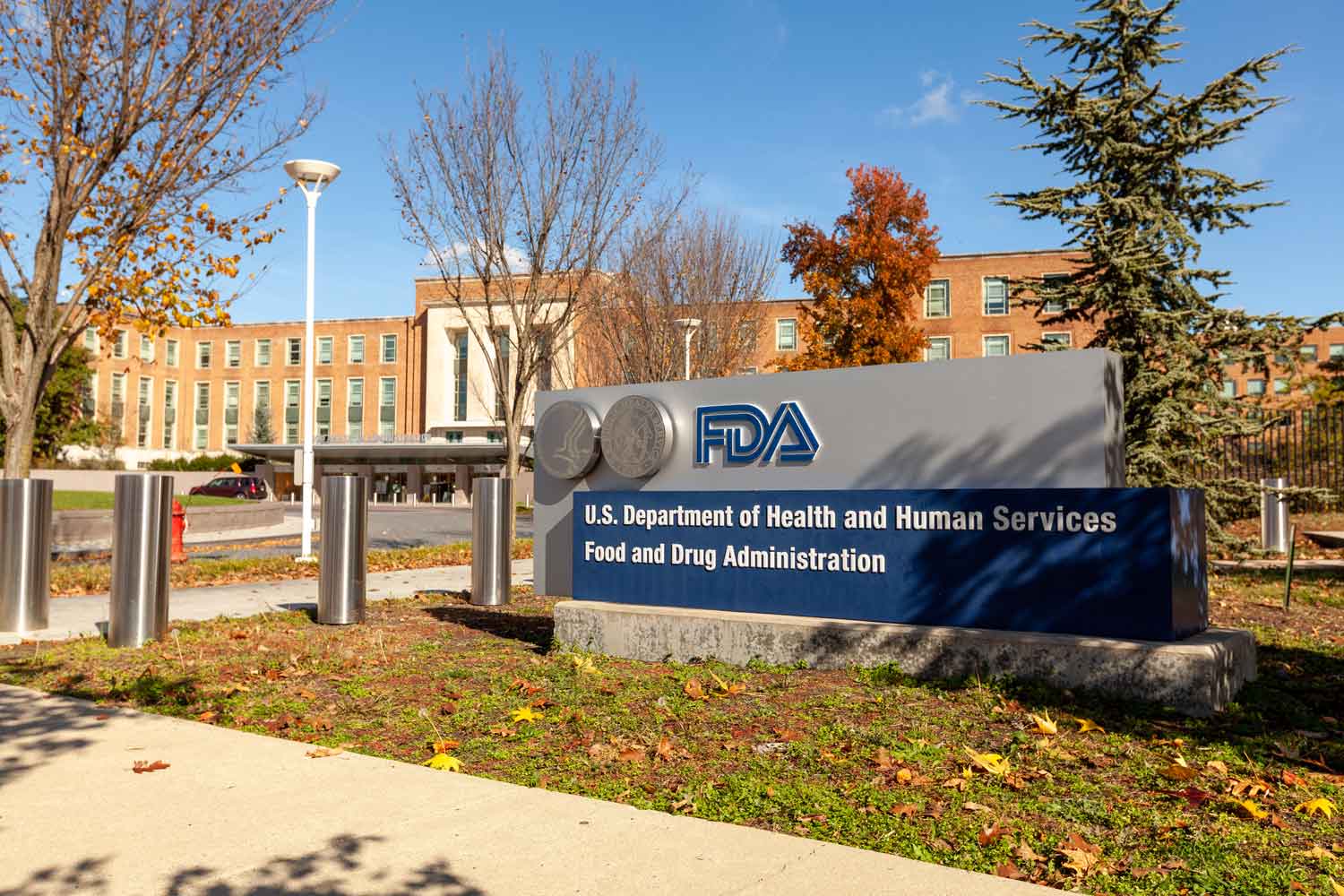
    NJOY LLC, a subsidiary of Altria Group, filed a lawsuit in federal court in Louisiana last week (August 21), accusing the U.S. Food and Drug Administration (FDA) of unlawfully delaying its review of applications to market flavored e-cigarettes. According to NJOY, the FDA has failed to adhere to statutory deadlines stipulated in the Family Smoking Prevention and Tobacco Control Act. The company claims such delays unfairly hinder its efforts to provide adult smokers with reduced-risk alternatives to combustible tobacco.

    According to the filing, in December 2020, the FDA denied NJOY’s application with only one deficiency listed: that the flavored products’ applications did not show they “would increase the likelihood of complete switching among adult smokers, compared to the Rich Tobacco and Menthol varieties” (products that were granted marketing authorization). In March 2021, NJOY responded, providing data showing the flavored products’ switch rates were 29-68% higher than the approved products after six months of use. The FDA has yet to respond despite repeated requests for updates, leading to last week’s lawsuit.

    Additionally, the filing states that documents received during a Freedom of Information Act request revealed that the Office of Science’s epidemiology staff concluded that NJOY adequately addressed the flavor-specific deficiency and that the products were associated with higher rates of cessation, and also that unrequested sales restrictions and reporting requirements offered by NJOY would, according to the Office of Health Communication and Education, mitigate concerns about potential youth initiation.

    The lawsuit underscores growing tensions between major industry firms and the FDA, which is facing a massive backlog of Premarket Tobacco Product Applications, particularly as sales of unauthorized flavored vaping products continue to surge. NJOY argues the delays not only burden its business, but also limit smokers’ access to potentially less harmful products.

  • ITC Judge Urges Njoy Ban

    ITC Judge Urges Njoy Ban

    Photo: JHVEPhoto

    An administrative law judge (AJL) of the International Trade Commission (ITC) has recommended a ban on importing Njoy Ace products into the United States following a patent-infringement claim filed by Juul Labs.

    Ace is the first pod-based vapor product and the only pod-based menthol vapor product authorized by the U.S. Food and Drug Administration as appropriate for the protection of public health. According to Njoy parent company Altria Group, an exclusion order banning the importation of Ace would severely limit FDA-authorized choices for adults and undermine public health.

    “Altria and NJOY respectfully disagree with the ALJ’s initial determination, and Njoy looks forward to presenting its position to the full ITC, which is expected to issue a final decision by December 23, 2024,” Altria Group wrote in a statement.

    In August 2023, Njoy filed a similar, independent patent infringement complaint against Juul with the ITC seeking a ban on the importation and sale of Juul products in the U.S. A hearing before the ALJ was held in June 2024, and an initial determination is expected in late September. A positive outcome in this case would not preclude an exclusion order against Njoy Ace from taking effect.

    “We continue to work to bring this issue to resolution,” Altria wrote in its statement. “The parties have engaged with a mediator to attempt to negotiate a resolution of these disputes. In addition, Njoy recently filed substantial equivalence (SE) exemption requests with the FDA to allow Njoy to market an already-developed Ace product with minor modifications that we believe avoid three of the four Juul patent claims at issue in the case.”

  • The Takeaways

    The Takeaways

    Image: Parin April

    What can we learn from the first FDA marketing order for menthol ENDS?

    By Chris Allen

    In good news for the next-generation nicotine industry, the U.S. Food and Drug Administration recently granted marketing orders (MOs) for four menthol-flavored e-cigarette products. This marks the first time that the FDA has granted MOs for nontobacco-flavored products via the premarket tobacco product application (PMTA) pathway. In this article, Chris Allen, CEO of PMTA specialist Broughton, summarizes the documentation and shares some pertinent learning points from the decision summaries of the applications from the technical project lead (TPL) review.

    The new products that were granted MOs are Altria’s Njoy Ace Pod Menthol 2.4 percent, Njoy Ace Pod Menthol 5 percent, Njoy Daily Menthol 4.5 percent and Njoy Daily Extra Menthol 6 percent. The Ace products are sealed pod-based systems whereas the Daily products are disposable e-cigarettes with a prefilled, nonrefillable e-liquid reservoir. At the time of writing, Njoy Ace is the only pod-based e-cigarette product with an MO.

    A Big Step for Tobacco Harm Reduction

    Granting an MO for a menthol e-cigarette is a huge step in the right direction for the FDA, opening up a new avenue for tobacco harm reduction to millions of adult smokers across the U.S.

    It is crucial that we have a diverse portfolio of convenient, satisfying and appealing smoke-free products to meet adult smokers’ preferences and needs as they transition away from combustible cigarettes (CC). We hope the fact that the FDA has granted MOs for menthol products will encourage adult smokers to opt for regulated alternatives to smoking rather than illicit products. However, we must bear in mind that these products are now eight years old, so it’s imperative that the FDA streamlines the PMTA process to reduce the time to market for products that are aligned with changing consumer behaviors.

    The PMTA Process

    Compiling a PMTA is a rigorous and lengthy task, with manufacturers required to provide data and evidence to demonstrate that the product is “appropriate for the protection of public health” (APPH) as required under the Tobacco Control Act. Manufacturers must consider the risks and benefits of the product, both to users and nonusers. To date, 27 products and devices have been granted marketing orders, and a full list is kept here.

    The FDA’s approval of menthol products demonstrates that it is possible to achieve the requirements of PMTA approval with a high-quality menthol product and compelling data. Shannon Leistra, president and CEO of Njoy, said, “We believe these marketing orders are a testament to the quality of the Njoy products and the strength of evidence supporting the authorizations of the Njoy menthol e-vapor products.”

    It will be interesting to see the FDA’s next move regarding flavored electronic nicotine-delivery systems (ENDS) and whether granting MOs for menthol opens up the door to other flavors. Njoy has resubmitted PMTAs for blueberry-flavored and watermelon-flavored pod products that work exclusively with the new Njoy Ace 2.0 age-gated device and is awaiting the outcomes.

    What Can We Learn from These Products?

    PMTAs are reviewed on a case-by-case basis, and the MO is specific to these products only. Understandably, many in the industry are looking to learn from this industry first to apply it to their own products and PMTAs.

    The most interesting outcome, naturally, is that the FDA determined there was robust and reliable evidence of an added benefit from the menthol flavor relative to that of tobacco-flavored products in facilitating adult smokers switching from CCs. This was deemed to outweigh the increased risk of youth use.

    About the approval, Brian King, director of the FDA’s Center for Tobacco Products, said, “It is the responsibility of the applicant to provide the necessary evidence to obtain marketing authorization, and the FDA has made clear what’s needed to successfully achieve that outcome. This action is further reinforcement that authorization of an e-cigarette product is possible when sufficient scientific evidence has been submitted to the agency to justify it.”

    Reducing the Risk of Youth Use

    A shared concern of the general public, manufacturers and regulators is the youth appeal of nontobacco-flavored products. The FDA has placed stringent marketing restrictions to prevent youth access and exposure, and for flavored products, there is a higher burden of proof on the manufacturer that the benefit to adults who use CCs outweighs the increased risk of youth use.

    While the application did include studies of youth use with low prevalence estimates for the new products, the FDA deemed the sample size insufficient. It noted the recent National Youth Tobacco Survey on popular flavors and devices, referencing the increased risk of youth appeal of menthol-flavored ENDS compared with tobacco-flavored ones, but adding the risk is lower than some other flavors (e.g., fruit).

    The TPL noted, “FDA’s experience shows that advertising and promotion restrictions and sales access restrictions cannot mitigate the substantial risk to youth from flavored ENDS sufficiently to reduce the magnitude of adult benefit required to demonstrate APPH. Rather, for flavored ENDS, only the most stringent mitigation measures have such potential; to date, the only such measures identified with the potential for that kind of impact have been device access restrictions.”

    The FDA’s ruling highlights that “stringent mitigation measures” such as device access restrictions have the mitigation potential to demonstrate APPH. However, the Njoy menthol-flavored PMTAs did not propose such mitigation restrictions and therefore required reliable and robust evidence of a potential benefit to adults who smoke, i.e., cessation of combustibles with continued ENDS use or cessation of combustibles leading to cessation of ENDS use.

    The application also proposed limiting youth exposure by not engaging in social media promotions, limiting human portrayals to those over 45 and prohibiting these products from being sold on third-party websites.

    Comparisons from Adult Smokers

    In this case, the FDA found “acceptably strong evidence” from submitted data from an online, observational longitudinal cohort study comparing its menthol Njoy Daily product with its tobacco-flavored Njoy Daily device. The study suggested a 21 percent to 31 percent rate of switching over a period of six months (three months primary outcome cohort), higher than the rate of ENDS in the literature.

    The comparison analyses showed the menthol Daily products were associated with statistically significant and higher rates (32 percent to 43 percent) of complete switching than the rate of tobacco-flavored Njoy Daily ENDS (21 percent to 37 percent) at three months or six months.

    Additionally, the comparison analyses demonstrated a 24 percent to 45 percent substantial added benefit from the menthol-flavored Njoy Daily ENDS in switching away from CCs among smoking adults compared with their tobacco-flavored equivalent. The submitted clinical studies demonstrated a similar abuse liability to CCs, suggesting they are a suitable substitute.

    For Njoy Ace menthol products, the longitudinal cohort study found behavioral benefits compared with tobacco-flavored Njoy Ace products in robust and reliable rates of switching from CCs, though the exact figures were redacted.

    Overall, the studies showed that the products have the potential to promote CC cessation, or significantly reduced use, compared with tobacco-flavored comparator products. The review concluded that there was a benefit to public health in the significantly higher smoking cessation rates achieved as compared with equivalent tobacco-flavored products.

    Biomarker data showed fewer and lower levels of harmful and potentially harmful constituent exposure compared with CCs, and toxicological evaluation of the aerosol suggested a lower excess lifetime cancer risk using Njoy Daily than using CCs. Ultimately, the FDA ruled that this data “demonstrated the potential for these new products to benefit adults who smoke combustible cigarettes as compared to adults who continue to use combustible cigarettes exclusively.”

    All of these points contributed to the FDA’s decision to designate the products as APPH. This monumental ruling has excited many in the next-generation nicotine industry, as it helps us achieve our shared goal of tobacco harm reduction for millions of adult smokers across the U.S. We are likely to see manufacturers working closely with regulatory consultants like Broughton to ensure their PMTAs contain robust and rigorous data and that their regulatory dossier is presented to support the best chance of success.

  • A Drop in the Ocean

    A Drop in the Ocean

    Photo: digieye

    The FDA’s first premarket approval of a mentholated vape product reflects poorly on the agency’s authorization process.

    By Stefanie Rossel

    Lindsay Stroud

    On June 21, the U.S. Food and Drug Administration for the first time authorized nontobacco-flavored vape products through its premarket tobacco product application (PMTA) pathway. The agency issued marketing granted orders (MGO) for two Njoy Ace menthol flavor pods and two disposable e-cigarettes, Njoy Daily Menthol 4.5 percent and Njoy Daily Extra Menthol 2.4 percent. The news was hailed as a “significant decision” and a “watershed moment for the sector” that will have a “huge and significant impact” on the global reduced-risk products market.

    Upon closer inspection, however, the authorization is less of a breakthrough than these superlatives suggest. Instead, it again highlights the many problems with the agency’s authorization process for electronic nicotine-delivery systems (ENDS) and novel nicotine products.

    Lindsey Stroud, senior fellow with the Taxpayers Protection Alliance, describes the recent FDA authorization as a small step in the right direction in what has otherwise been a regulatory nightmare. “While allowing the sale of a nontobacco-flavored ENDS, FDA seems to understand that adults who use menthol-flavored combustible cigarettes should have access to products which are significantly less harmful,” she says. “Unfortunately, the FDA still continues to deny the sale of all other flavored ENDS, despite their effectiveness in helping adults quit smoking and remain smoke-free.”

    Stroud is also concerned about the informal market. “Despite FDA not having issued authorization orders for flavored ENDS, a large, unregulated marketplace exists in the United States—99.9 percent of which are nontobacco flavored,” she says. “FDA must recognize the role that other flavors play in tobacco harm reduction because denialism isn’t stopping the flourishing non-FDA-authorized ENDS marketplace.”

    Jeffrey Smith

    Jeffrey Smith, a senior fellow in harm reduction at the R Street Institute, says he welcomes any action by the FDA Center for Tobacco Products (CTP) that supports reduced-risk options for those who smoke. “Unfortunately, in the grand scheme of things, the awarding of an MGO to the four Njoy menthol variants is unlikely to be a sign of a significant shift in the decision-making process at the CTP,” he says. “If the regulatory environment does not change through external pressures, it is unlikely that the actions of the CTP will evolve in a swift and effective manner.”

    Gray Market to Persist

    While optimists may detect a new willingness to approve reduced-risk products (RRPs) in the CTP’s recent product authorizations, few expect the regulatory floodgates to open to an avalanche of product approvals.

    “Since the awarding of the Njoy menthol products, there haven’t been any additional actions or signals that more may be coming,” says Smith. “The only additional communications I have seen from the CTP since the Njoy announcement was a letter from the FDA to the clerk of the Supreme Court informing the court that the CTP had granted a marketing order to four menthol-flavored e-cigarette products. The case is the Logic v. FDA, where Logic is arguing that the CTP had adopted a blanket policy of rejecting menthol-flavored products.”

    Stroud says the menthol announcement is a positive development but notes that the FDA remains opposed to any flavors that don’t exist in traditional tobacco products. “Dr. Brian King, director for the Center for Tobacco Products, is very anti-flavor, if not anti-vape,” she says. “Going back to at least 2015 and his time at the CDC [Centers for Disease Control and Prevention], King has been first to tout the Bloomberg party line that ‘flavors hook kids.’ This is in direct contrast to U.S. youth survey data, which finds flavors as one of the least-cited reasons why youth vape. FDA must recognize the role of flavors, their appeal to adults who smoke and how flavors help to reinforce a negative taste—literally—associated with combustible cigarette smoke. Until FDA recognizes this, the U.S. ENDS market will remain a large gray market.”

    Unlike most other vape products that have received FDA authorization to date, the Njoy menthol variants are technologically up to date and relatively popular with consumers. “According to Altria’s first-quarter 2024 report, Njoy made up 4.3 percent of the U.S. retail market, but this will likely grow as Njoy is now the only menthol-flavored—and nontobacco-flavored—ENDS product legally permitted to be for sale in the U.S.,” says Stroud.

    She is undecided about the FDA decision’s potential impact on the global RRP landscape. “I would imagine that with FDA recognizing the importance of menthol, most countries would follow the agency’s findings,” she says. “Unfortunately, due to a de facto flavor ban in the U.S., there is precedent for countries to restrict flavors, despite them not experiencing a huge surge in youth vaping as the U.S. did in 2019.”

    “The awarding of a marketing granted order to the four Njoy menthol variants is unlikely to be a sign of a significant shift in the decision-making process at the CTP.”

    Depressing Number

    Nicotine companies have long lamented the FDA’s product authorization process, which they say is needlessly time-consuming and costly and favors deep-pocketed players over less generously resourced applicants. Stroud and Smith believe the process can be streamlined only through external interventions.

    To illustrate the challenge, Stroud recalls the tremendous technological progress in ENDS products, which went from cigalikes to larger open systems, back to pods and then on to disposables. “The FDA’s draconian regulations don’t account for the technological improvement that has been applied to ENDS,” she says. “FDA and Congress could reform the Tobacco Control Act [TCA] in a huge way if they pushed the predicate date further ahead than February 2007. Requiring ENDS to undergo extensive testing and a massive bureaucratic application process is not only a farce to public health, but it restricts innovation and competition, which is very un-American.”

    With Congressional assistance and a reworking of the TCA, the FDA could establish a notification process for new products and then focus on post-market surveillance to monitor the public health effects of the new products, according to Shroud.

    “The FDA must also recognize what percentage of youth is permittable,” she says. “No other consumer good in America has been forced to deal with so much scrutiny that even one kid using the product is one kid too many. While youth vaping was a problem in 2019, it declined by more than 60 percent in the years since—all while the non-FDA-authorized ENDS market grew exponentially. FDA must recognize that adults are using these products and that their use is associated with a 10 percent decrease in cigarette units sold in America in 2023. That’s a win for public health. FDA must reform the process so we can accelerate even further declines in smoking.”

    As of June 21, the FDA had authorized more than 16,000 tobacco products—mostly cigarettes and cigars, according to Stroud. “Twenty-seven MGOs for ENDS is a depressing number and makes up less than 1 percent of authorized products,” she says. “Worse, only 49 products have been authorized by FDA using the PMTA pathway. FDA’s own budget is problematic; it’s entirely funded by user fees paid for by only six classes of tobacco products and not from e-cigarettes. There is more of an incentive to authorize the products that are paying for a $275,000 annual salary, as made by the CTP director in 2023, than authorizing products that pay nothing. While FDA has been asking Congress for years to be able to collect user fees on products including e-cigarettes, they refuse to issue orders—and instead denied tens of millions of products. That could have been a lot of fees and would have funded a significant amount of surveillance while also recognizing tobacco harm reduction. It is something the agency must recognize if the mission is to reduce smoking.”

    While optimists may detect a new willingness to approve reduced-risk products in the CTP’s recent product authorizations, few expect the regulatory floodgates to open to an avalanche of product approvals. | Photo: Tada Images

    Significant Ruling

    Smith says it is important to educate those affected by the failing 99.999 percent of all PMTA applications about the recent changes in the regulatory landscape and how those changes may lay a foundation for the significant changes necessary at the CTP.

    “The first is the recent announcement by the Supreme Court where the Chevron Deference has been overturned,” he says. “This action by the court will now require that regulatory agencies follow the letter of the law and that the regulators would now have little leeway in the interpretation of how to apply regulatory law.

    “The Chevron Deference has allowed the CTP to define the meaning of ‘appropriate for the protection of public health’ when conducting a review of the PMTAs and MRTPAs [modified-risk tobacco product applications]. Now, post-Chevron, if the Tobacco Control Act does not clearly outline the actions and process of enforcement of regulatory oversight in a manner that allows for the regulatory agency to action the law, the law will have to be amended to clarify the process, so legislators will have to work to make the law actionable … not the regulators that monitor the marketplace.”

    Second, according to Smith, the Supreme Court may review four relevant lawsuits—Triton, Magellan, Lotus and Logic. Such a review may trigger action to change the TCA. “If the court decides to hear at least one of these cases, then the likely outcome is a requirement that the TCA be clarified so that the CTP will only enforce actions defined in the TCA,” says Smith. “If the TCA isn’t clear as to how to enforce it, then the law should be amended. Depending on how the policies are modified by the legislative branch, we may see shifts in the way that CTP reviews all tobacco and nicotine products, leading to a more effective regulatory environment. However, how the legislators refine the TCA will determine if the regulatory environment improves in a manner that supports the reduced-risk product marketplace.”

  • FDA Authorizes NJOY Menthol Products

    FDA Authorizes NJOY Menthol Products

    Image: Tada Images

    The U.S. Food and Drug Administration today authorized four NJOY products through the premarket tobacco product application (PMTA) pathway. The FDA issued marketing granted orders to NJOY, an Altria subsidiary, for two pods for its Ace closed e-cigarette device, which was authorized in April of 2022, and two disposable e-cigarettes—NJOY DAILY Menthol 4.5%, and NJOY DAILY EXTRA Menthol 2.4%.

    The two authorized ACE pods are the NJOY ACE Pod Menthol 2.4% and the NJOY ACE Pod Menthol 5%.  All four of the newly authorized products are pre-filled and non-refillable.

    The decision is significant because it is the first non-tobacco flavored vapor product to be authorized by the FDA. In his TPL Review, Office of Science Director Matthew Farrelly said that NJOY had “demonstrated the potential for these new products to benefit adults who smoke [combustible cigarettes] as compared to those who continue to use [combustible cigarettes] exclusively,” and that the company had “also proposed robust marketing plans that include restrictions beyond those required with PMTA authorization.” Farrelly also highlighted data from a longitudinal cohort study that NJOY submitted with its application, which pointed to “robust absolute switching rates” as well as a higher rate of complete switching than tobacco-flavored NJOY DAILY ENDS.

    The FDA noted, however, that applications are reviewed on a case-by-case basis, and that this authorization of menthol products does not apply to any other menthol-flavored vaping products.

    “It is the responsibility of the applicant to provide the necessary evidence to obtain marketing authorization, and the FDA has made clear what’s needed to successfully achieve that outcome,” said CTP Director Brian King in the agency’s press release. “This action is further reinforcement that authorization of an e-cigarette product is possible when sufficient scientific evidence has been submitted to the agency to justify it.”    

    Altria welcomed the authorizations. “With the addition of NJOY menthol e-vapor products, we are now uniquely positioned with an FDA-authorized portfolio to support adult smokers in their transition to smoke-free alternatives. We believe these marketing orders are a testament to the quality of the NJOY products and the strength of evidence supporting the authorizations of the NJOY menthol e-vapor products,” said NJOY President and CEO Shannon Leistra in a statement.

    “We believe that, for tobacco harm reduction to succeed, adult smokers must have access to a robust marketplace of FDA-authorized smoke-free alternatives,” said Paige Magness, senior vice president, regulatory affairs of Altria Client Services. “FDA authorization of NJOY menthol e-vapor products provides adult smokers and vapers with regulated alternatives to the illicit flavored disposable e-vapor products on the market today. We believe the NJOY menthol marketing orders are a positive outcome for public health.”

    The FDA previously authorized the NJOY Ace and three of its tobacco-flavored pods on April 27, 2022.  In March of 2023, Altria acquired NJOY for $2.75 billion cash.  The acquisition was completed on June 1, 2023.  However, the transaction terms included $500 million in additional cash payments contingent upon the product approvals received today, which would bring Altria’s total spend to $3.25 billion.