Tag: Philip Morris

  • Smoke-Free Gains Push PMI Over $11B in Q2

    Smoke-Free Gains Push PMI Over $11B in Q2

    Philip Morris International reported strong second-quarter 2026 results, with net revenues exceeding $11 billion for the first time as smoke-free products drove growth. Reported diluted EPS fell 7.7% to $1.80 due to a $511 million non-cash impairment charge tied to PMI’s Rothmans, Benson & Hedges investment, while adjusted diluted EPS rose 15.2% to $2.20, or 13.6% excluding currency. Shipments increased 2.5%, led by a 7.5% rise in smoke-free products. Net revenues grew 10.4% to $11.2 billion, with smoke-free products representing about 42% of sales, while operating income increased 22% to $4.5 billion.

    The international smoke-free business remained PMI’s main growth driver, with revenue up 14.2% and volumes rising 8%. IQOS heat-not-burn shipments increased 7.6%, maintaining PMI’s leading position in the category, while growth continued across Europe and other key markets despite challenges from Japan’s excise increase and Poland’s flavor restrictions. PMI said it would increase investment in Zyn as the nicotine pouch volumes expanded globally, with the brand now available in 60 markets, while VEEV e-vapor shipments rose 55.1% as PMI continued expanding its smoke-free portfolio.

    International combustible sales also grew, supported by pricing and market gains, while the U.S. business remained under pressure. Combustible revenue increased 9.8%, with cigarette growth in Turkey, Indonesia, and Egypt, while Marlboro gained market share. U.S. revenue declined 0.7% due to weakness in cigars and wellness products, though Zyn shipments rose 1.8% to 2.9 billion pouches following portfolio expansions. PMI maintained its 2026 outlook, forecasting adjusted EPS growth of 9.5% to 11.5%, organic revenue growth of 5% to 7%, and continued investment in smoke-free products.

    According to Reuters, PMI’s shares rose ​about 5% in early trading even though the company also cut its annual profit ​forecast for the third time this year due to negative currency effects.

  • PMFTC Remains Top Buyer of Philippine Tobacco

    PMFTC Remains Top Buyer of Philippine Tobacco

    Philippines’ National Tobacco Administration (NTA) recognized Philip Morris Fortune Tobacco Corporation as the largest buyer of Philippine-grown tobacco for the third consecutive year, highlighting the company’s continued support for the country’s tobacco farming sector. In 2025, PMFTC purchased 8.3 million kg of locally grown tobacco — 69% of the 12.1 million kilograms delivered to domestic manufacturers. NTA Administrator Belinda Sanchez said PMFTC’s sustained buying provides tobacco farmers with a stable and reliable market, particularly as the industry prepares for a challenging growing season.

    PMFTC said it remains committed to investing in long-term partnerships with farmers, trading partners, and government agencies to strengthen the Philippine tobacco value chain and help keep locally grown tobacco competitive in domestic and international markets.

  • PMI to Post Financials July 22

    PMI to Post Financials July 22

    Philip Morris International announced it will host a live webcast on July 22 at 9 a.m. ET to discuss its second quarter and first half 2026 financial results, which are scheduled to be released earlier that morning at approximately 7 a.m. ET. The presentation will be led by Group Chief Financial Officer Emmanuel Babeau and incoming Group CFO Massimo Andolina and will include a review of the company’s financial performance, followed by a question-and-answer session with the investment community. A replay, presentation slides, and transcript will be made available after the event.

  • WSJ Optimistic with Tobacco Stocks

    WSJ Optimistic with Tobacco Stocks

    Reporting for The Wall Street Journal’s business section, Carol Ryan wrote that tobacco companies with growing smoke-free product portfolios are increasingly attracting investors, helping to narrow the stigma traditionally associated with cigarette stocks.

    “The taboo against owning cigarette stocks hasn’t gone away, but new gray areas are emerging,” she wrote. “Companies that make a big share of their sales from smoke-free products like vapes appear to be rejoining polite society, and are getting a boost to their stock-market valuations as a result.”

    Ryan said shares of British American Tobacco have roughly doubled over the past two years, outperforming many major technology stocks, as investors respond to a more favorable U.S. regulatory environment under the Trump administration and recent FDA guidance allowing new vapes and nicotine pouches to remain on the market while their premarket applications are under review. She said the policy could help legal manufacturers compete more effectively against the illicit vape market, which Jefferies Financial Group estimates accounts for more than two-thirds of U.S. vape sales.

    Ryan said the shift toward smoke-free products is also improving tobacco companies’ market valuations. Philip Morris International, which generated 41% of 2025 sales from non-combustible products, trades at a significant valuation premium to peers, while BAT —whose smoke-free portfolio represented nearly 20% of revenue last year — is targeting 50% by 2035. She said BAT has gained U.S. market share with its Velo Plus nicotine pouches and could benefit from the FDA’s new approach as it launches updated Vuse products. Ryan concluded that, as traditional cigarette volumes continue to decline and other consumer staples sectors struggle with weak growth, a broader group of investors is beginning to reconsider tobacco stocks, particularly companies demonstrating growth in reduced-risk nicotine products.

  • FDA Issues MRTP Orders for 20 Zyn Products

    FDA Issues MRTP Orders for 20 Zyn Products

    The U.S. Food and Drug Administration issued Modified Risk Tobacco Product orders for 20 Zyn nicotine pouch products manufactured by Swedish Match USA, making Zyn the first nicotine pouch brand authorized to market reduced-risk claims compared with cigarettes. The FDA-authorized claim states that using Zyn instead of cigarettes lowers the risk of mouth cancer, heart disease, lung cancer, stroke, emphysema, and chronic bronchitis. The authorization applies to 10 Zyn flavors in both 3 mg and 6 mg nicotine strengths and builds on the products’ January 2025 authorization for sale through the FDA’s premarket tobacco product application pathway.

    The FDA said its decision followed an extensive scientific review of the products’ relative health risks, consumer understanding of the claim, youth use data, and overall population health impact. The agency concluded that the modified-risk claim is scientifically supported, that consumers understand its meaning, and that allowing the claim is expected to benefit public health. The authorization requires Swedish Match USA to conduct post-market surveillance and behavioral studies, and the orders will expire after five years unless renewed. The FDA also noted it retains the authority to withdraw the orders if continued marketing no longer benefits public health, including if youth uptake increases.

    Separately, Philip Morris International said the decision expands its portfolio of FDA-authorized modified-risk products, which also includes IQOS heated tobacco products and General snus. PMI U.S. CEO Stacey Kennedy said the authorization provides adult nicotine consumers with FDA-reviewed, science-based information about the health benefits of switching completely from cigarettes to Zyn.

  • PMI Launches Campaign to Promote Positive Change

    PMI Launches Campaign to Promote Positive Change

    Philip Morris International launched “Believe. Further,” a multi-year platform with Italian singer Andrea Bocelli aimed at fostering discussion around innovation, progress, and positive change. Unveiled in Venice, the initiative is designed to engage cultural, institutional, and business audiences across Europe while highlighting PMI’s ongoing business transformation toward smoke-free products.

    PMI said the platform reflects its evolution from a cigarette manufacturer to a smoke-free products company, noting that smoke-free products accounted for 43% of its net revenues and were available in more than 105 markets as of the first quarter of 2026. Massimo Andolina, President of PMI’s Europe Region, said the partnership is intended to raise awareness of how technology and innovation can drive positive change, while Bocelli said the initiative reflects a shared belief in pursuing progress and improving lives.

  • PMI Named Among ‘Best Companies for the Future’

    PMI Named Among ‘Best Companies for the Future’

    Philip Morris International Inc. was named to the inaugural WSJ Leadership Institute “Best Companies for the Future” ranking, placing No. 97 overall among S&P 500 companies and third in the Food, Beverage & Tobacco sector behind Coca-Cola and PepsiCo. Compiled by Bendable Labs, the ranking evaluates companies across six areas: AI readiness, innovation, talent readiness, financial fitness, resilience, and agility.

    PMI said the recognition reflects its transformation into a consumer goods company focused on smoke-free products, supported by investments in science, innovation, and organizational capabilities. Group CEO Jacek Olczak said the ranking highlights the company’s progress in adapting to changing consumer preferences and advancing its long-term smoke-free strategy. PMI also noted that its flagship heated tobacco brand, IQOS, was recently named to Kantar’s BrandZ 2026 Most Valuable Global Brands ranking.

  • PMI Examines Role of Science in Smoke-Free Future

    PMI Examines Role of Science in Smoke-Free Future

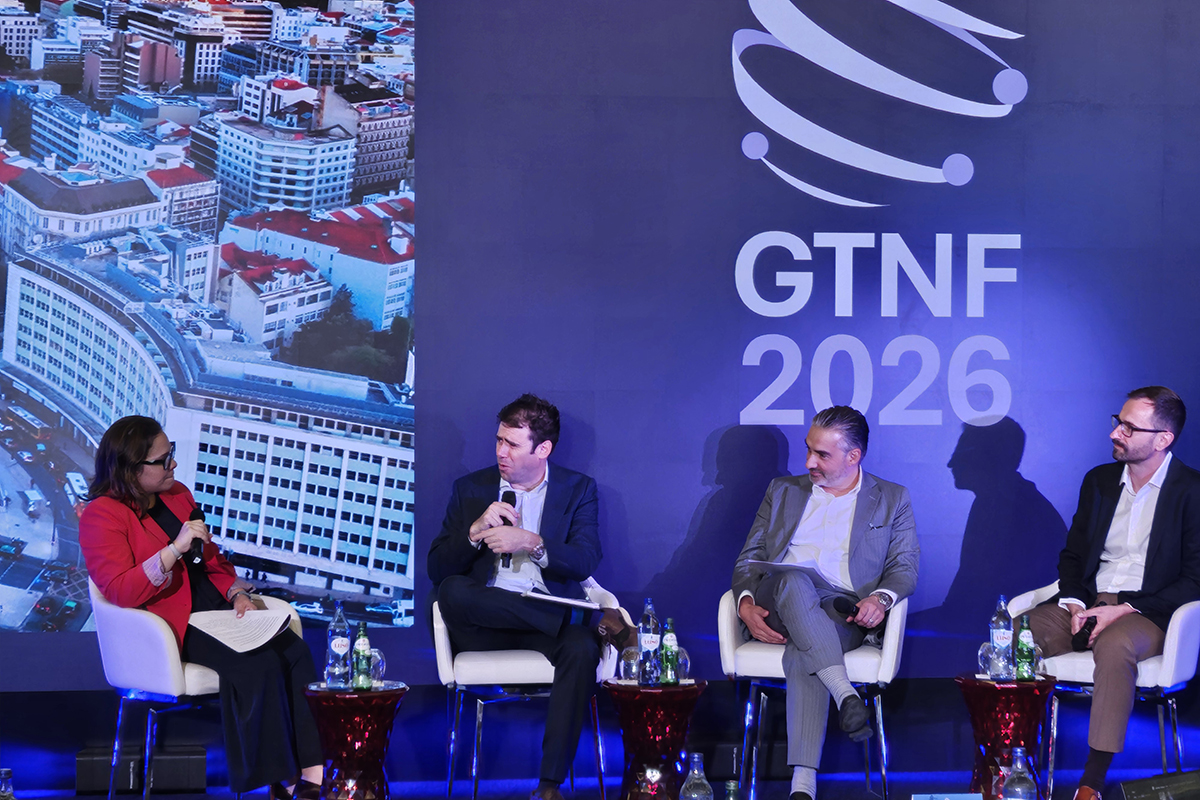
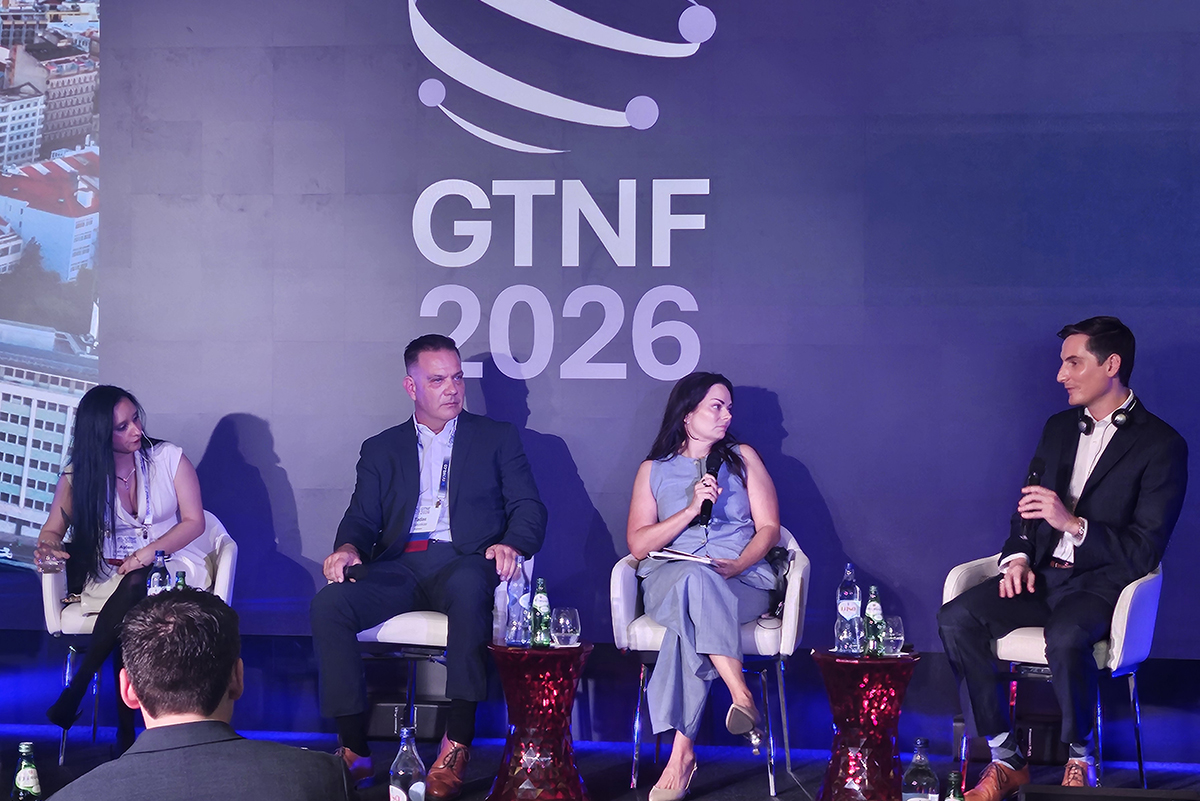
    Philip Morris International convened public health experts, academics, consumer advocates, and policymakers in Rabat, Morocco, for its Technovation Smoke-Free conference on June 24, which focused on tobacco harm reduction, smoke-free alternatives, and evidence-based health policy. Discussions centered on the role of science and innovation in reducing smoking-related harm, with speakers highlighting the potential of smoke-free products and the importance of regulatory frameworks, consumer information, and locally driven public health strategies across Africa.

    The event featured senior PMI executives, including communications executive Tommaso Di Giovanni and Maghreb Managing Director Taylan Süer, alongside researchers and public health experts from Morocco, Tunisia, Libya, Senegal, and France. Participants discussed nicotine-related misconceptions, consumer access to information, and health-policy sovereignty, emphasizing the need for African countries to develop public health approaches tailored to local conditions. The conference concluded with calls for greater collaboration between scientific communities and policymakers to support evidence-based decision-making and harm-reduction strategies.

  • PMI Urges EU to Ensure ‘Fair Treatment’ of Tobacco in Review

    PMI Urges EU to Ensure ‘Fair Treatment’ of Tobacco in Review

    Philip Morris International called on the European Union to ensure that the tobacco sector receives the same regulatory treatment as other legal industries as policymakers prepare revisions to the Tobacco Excise Directive (TED) and the Tobacco Products Directive (TPD). In a letter to Ursula von der Leyen, published by PMI’s Europe President Massimo Andolina, the company argued that current EU policies are shaped by bias against the tobacco industry and fail to recognize its economic contribution. PMI said the sector supports more than two million jobs across Europe, contributes approximately €180 billion in annual tax revenue, and maintains a significant regional manufacturing and supply chain footprint.

    The company also highlighted its investment in smoke-free products and harm-reduction innovation, arguing that forthcoming regulatory decisions will influence Europe’s ability to attract investment and maintain competitiveness in the sector. PMI called for future tobacco regulation to be guided by evidence, transparency and inclusiveness, while EU institutions continue to review potential changes to tobacco taxation and product rules across the bloc.

  • PMI-WSJ Study Highlights Human Value in AI-Driven Workplace

    PMI-WSJ Study Highlights Human Value in AI-Driven Workplace

    Philip Morris International and WSJ Intelligence, the in-house thought leadership consultancy for The Wall Street Journal’s commercial sales organization, today (June 23) unveiled preliminary findings from a global study suggesting that uniquely human capabilities will become increasingly valuable as artificial intelligence becomes more deeply embedded in the workplace. Based on a survey of more than 2,500 business professionals across the United States, the United Kingdom, Italy, South Africa, and Brazil, the research found that while AI adoption is accelerating, professionals continue to place greater trust in human judgment for strategic and creative decisions.

    The study found that 83% of respondents use AI for research and information synthesis on a weekly basis, but only 57% report a high level of trust in its outputs. When AI-generated recommendations conflict with human insights, 62% said human intuition should remain the final authority. Respondents identified critical thinking as the most important workplace skill but also the one most at risk of erosion through overreliance on AI, while creative empathy and adaptability were cited as the human capabilities expected to gain the most importance over the next three years.

    The research also highlighted a divide in AI proficiency and trust between senior executives and entry-level employees, with C-suite leaders reporting significantly higher levels of expertise and confidence in AI tools. PMI said the findings support its view that human cognition should be treated as a strategic business resource as companies increasingly integrate AI into their operations, with a full report scheduled for release in September.