Tag: public health

  • Illicit Cigarettes Undermine Health Warnings in New Zealand

    Illicit Cigarettes Undermine Health Warnings in New Zealand

    A Radio New Zealand investigation found black market cigarettes widely sold in Auckland without mandated health warnings, often at prices as low as NZ$13 ($7.67) per pack—less than a third of legal products. Under New Zealand law, tobacco packaging must carry graphic health warnings covering at least 75% of the pack, but most illicit products lack these labels, making enforcement more difficult for authorities.

    Public health experts say the absence of warnings and lower prices are undermining efforts to reduce smoking, particularly among low-income groups and young people. Officials note that non-compliant packaging is a key indicator used to identify illegal products, while penalties for violations include fines of up to NZ$600,000 ($354,000) for manufacturers and prison terms or fines for retailers.

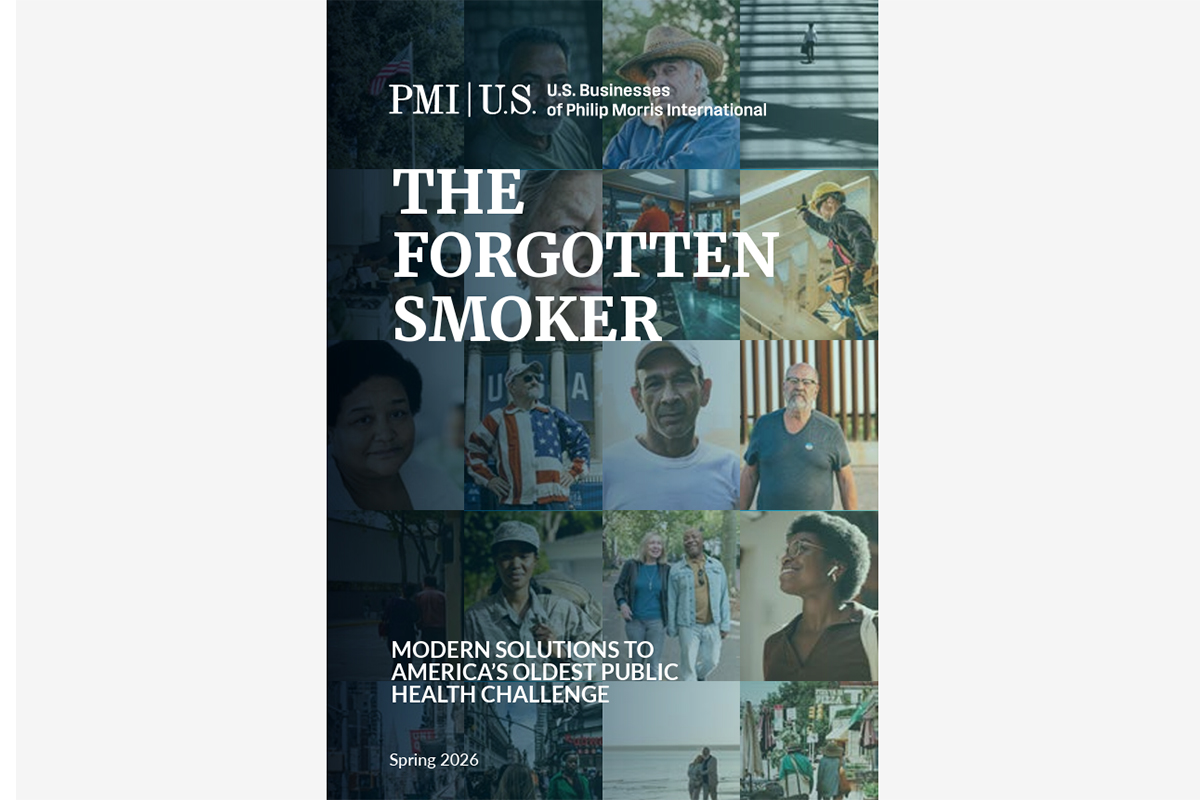
  • New “Forgotten Smoker” White Paper from PMI U.S. Warns That America Didn’t End Smoking; It Just Moved On—and 8 in 10 Americans Surveyed Demand a Better Approach

    New “Forgotten Smoker” White Paper from PMI U.S. Warns That America Didn’t End Smoking; It Just Moved On—and 8 in 10 Americans Surveyed Demand a Better Approach

    PRESS RELEASE

    The paper calls for immediate steps to make cigarette smoking a public health priority in the U.S. and to better understand adult smokers, who feel judged, ignored, and left behind

    WASHINGTON, DC – America likes to believe it has solved the problem of smoking. It hasn’t. Results of a new national survey, released today, show that 79% of Americans say more must be done to combat smoking-related harm. Philip Morris International’s U.S. business (PMI U.S.) agrees, as detailed in The Forgotten Smoker: Modern Solutions to America’s Oldest Public Health Challenge. This white paper makes the case for policymakers, public health authorities, and medical professionals to recenter cigarette smoking as a public health priority.

    The paper (and its accompanying website) offers a set of practical, evidence-based policy recommendations to help reduce smoking-related harm, counter misinformation, and expand access to regulated, FDA-authorized alternatives for legal-age adults who smoke. It describes today’s “forgotten smokers,” who are more likely to be disconnected from standard anti-smoking campaigns.

    The paper also highlights widespread misperceptions that discourage adults who smoke from considering the less harmful, FDA-authorized, smoke-free alternatives now on the market.

    “We continue to be encouraged by the declining smoking rates in the U.S.; however, millions of our neighbors, co-workers, and family members are still facing real health risks from cigarettes,” said Stacey Kennedy, Chief Executive Officer of PMI U.S. “The Forgotten Smoker calls for a renewed public health focus on adults who smoke by addressing misinformation, recognizing the varying levels of health risk across combustible and noncombustible products, and expanding access to FDA-authorized nicotine alternatives—while helping prevent youth tobacco use.”

    Recommendations from the white paper include:

    • Meet adults who smoke where they are: 52 percent of adult smokers surveyed feel discriminated against. It is time to treat cigarette smoking as a persistent public health challenge—not a moral failing—and invest in strategies that work for longtime, highly dependent adults who smoke.
    • Let the science lead: Misperceptions about nicotine and the role of combustion in smoking-related disease impede progress. Public and medical understanding of the science behind tobacco harm reduction is essential—and long overdue.
    • Expand access to FDA-authorized smoke-free alternatives: Despite recent progress, there remains a backlog of smoke-free product applications at the FDA. Adults who smoke deserve access to the science-based, smoke-free options still awaiting FDA review. Authorization of new products must coincide with the agency’s continued youth access prevention and enhanced enforcement against illicit products.
    • Combat nicotine misinformation: To accelerate progress, the FDA should clearly communicate, especially to medical professionals, which products it has authorized and what the science says about their relative risk profiles, so adults who smoke can make informed choices.
    • Implement risk-based taxation: Tobacco taxes are the most regressive in the country. Tax policy should be structured to discourage use of the most harmful products (combustible cigarettes) and encourage adult smokers to switch to lower-risk alternatives. Price is a powerful lever of persuasion.

    “The FDA has recognized that tobacco and nicotine products exist on a continuum of risk—but too often that science hasn’t trickled down to the people who interact with smokers every day, including medical professionals,” said Keagan Lenihan, Chief External Affairs Officer, PMI U.S. “If we’re serious about ending cigarette smoking, the leading cause of preventable death in the U.S., we need the FDA to assess and authorize better alternatives to combustible cigarettes in a timely fashion and take a leading role in educating healthcare providers, policymakers, and the public about tobacco harm reduction and the role smoke-free products can play. This is how we will move this issue out of the shadows and solve it once and for all.”

    Povaddo, an independent research firm, conducted the national online survey among 2,000 U.S. adults (aged 21+) between February 27 and March 10, 2026. PMI U.S. commissioned the survey.

    Topline findings point to a stubborn barrier: confusion about nicotine and the relative risks of combustible versus noncombustible products, as well as strong support for action:

    • 52% of adults surveyed incorrectly believe nicotine directly causes cancer.
    • Confirming the prevalence of misinformation in this arena, 73% mistakenly believe all tobacco and nicotine products are equally harmful to the user, while 70% believe they all pose the same risk to public health.
    • 53% agree that adults who still smoke should be encouraged to switch from cigarettes to smoke-free nicotine alternatives.
    • 81% say it is important for public health agencies like the FDA to provide scientifically substantiated information about the relative harms of tobacco and nicotine products.
    • 63% agree that FDA reform is needed to keep pace with newer smoke-free products.

    PMI U.S.: Invested in America

    Philip Morris International Inc.’s U.S. businesses are invested in America’s future and advancing a smoke-free nation. The businesses are committed to providing the approximately 30 million legal-age consumers who smoke cigarettes with better, smoke-free alternatives and to ensuring the products are marketed responsibly. From PMI’s global headquarters in Stamford, Connecticut, and other locations.

  • Ireland Moving Toward Single-Use Vape Ban

    Ireland Moving Toward Single-Use Vape Ban

    Ireland’s Minister for Public Health, Wellbeing and the National Drugs Strategy, Jennifer Murnane O’Connor, on behalf of the Minister for Health, Jennifer Carroll MacNeill, will today (December 17) begin the passage of the Public Health (Single-Use Vapes) Bill 2025 through the Oireachtas. The Bill, introduced at Second Stage in Dáil Éireann, proposes a ban on the sale of single-use vapes. The measure aims to reduce smoking and vaping rates and to prevent children and young people from starting to use nicotine.

    The Government has highlighted the rapid growth of single-use vapes in Ireland, rising youth vaping rates, and concerns that their low cost, ease of use, and appealing designs target young people. The legislation also addresses environmental impacts, citing the waste and damage caused by disposable vaping products. O’Connor described the legislation as a preventative step to curb nicotine addiction among young people and prevent long-term dependence.

  • Sweden Nears Milestone as Europe’s First ‘Smoke-Free’ Nation

    Sweden Nears Milestone as Europe’s First ‘Smoke-Free’ Nation

    Sweden’s smoking rate is in decline this year, putting it on track to become Europe’s first smoke-free country, ready to eclipse the World Health Organization’s 5% threshold, according to Gulf News. Last year, its daily smoking rate fell to 5.2%, a sharp decline from 15% in 2005, credited to long-running public health campaigns and the widespread switch to lower-risk nicotine products such as snus and tobacco-free pouches.

    About 18% of Swedes now use snus or similar products, which, though not risk-free, experts say are far less harmful than cigarettes. Over the past decade, daily smoking has dropped 55%, accompanied by a 38% fall in tobacco-related deaths among men and a 41% decline in lung cancer cases.

    Public health specialists say Sweden’s blend of regulation, clear messaging, and safer alternatives—backed by high social trust—offers a potential roadmap for other nations working to cut smoking rates.

  • Thailand’s Fast-Tracked Vape Ban Sparks Concerns

    Thailand’s Fast-Tracked Vape Ban Sparks Concerns

    Thailand’s Cabinet approved amendments to the Tobacco Products Control Act, targeting e-cigarettes, on October 28, four days after Queen Sirikit’s passing, raising concerns over rushed policymaking during the national mourning period. Anti-vaping groups proposed a total ban to the House of Senators, which accepted it with minimal scrutiny before forwarding it to the Cabinet, which then tasked the Ministry of Public Health with leading a sub-committee to develop solutions within one month.  

    “Rushing through a total ban during national mourning demonstrates either disorganization or deliberate predatory timing,” said Asa Saligupta, president of Ends Cigarette Smoking Thailand. “Entrusting the process to those with clear biases risks outcomes that sideline evidence.”​ 

    The Coalition of Asia Pacific Tobacco Harm Reduction Advocates (CAPHRA) warned that the ban ignores evidence-based approaches, risks driving adults to unregulated products, and overlooks safer alternatives like refillable devices and heat-not-burn options. Vaping users in Thailand have grown from 78,000 in 2021 to over 400,000 in 2024.

    CAPHRA urged policymakers to focus on regulated harm-reduction strategies, environmental considerations, and using taxes on legal vaping products to protect youth, rather than prioritizing strict FCTC compliance at the expense of adult public health.

  • CAPHRA Slams Global Public Health Failures, Urges Policy Reform

    CAPHRA Slams Global Public Health Failures, Urges Policy Reform

    The Coalition of Asia Pacific Tobacco Harm Reduction Advocates (CAPHRA) released a scathing report this weekend, calling out governments for failing to uphold basic human rights in public health policy, particularly in their handling of tobacco control.

    Titled “The Right to Health and Public Health Policy,” the report criticizes the continued overregulation or banning of safer nicotine alternatives like vaping, while combustible cigarettes remain widely accessible. Authors Nancy Loucas and Clarisse Virgino argue this contradicts international human rights laws guaranteeing the right to health.

    “Governments are demonstrating extraordinary hypocrisy in their approach to tobacco control,” said Loucas. “They simultaneously tax tobacco products, creating reliance on tobacco revenue, whilst claiming to fight tobacco use.”

    The report calls for urgent reform, demanding public health systems prioritize accessibility, scientific integrity, and harm reduction. Without accountability and transparency, CAPHRA warns, global health inequalities will only worsen.

    Read the entire position paper here. 

  • FDA Authorizes Juul E-Cigarettes in Tobacco and Menthol Flavors

    FDA Authorizes Juul E-Cigarettes in Tobacco and Menthol Flavors

    Today (July 17), the U.S. Food and Drug Administration (FDA) issued marketing granted orders (MGOs) for Juul Labs’ original e-cigarette device and refill cartridges in tobacco and menthol flavors.

    As part of its 2020 application, Juul submitted over 110 scientific studies to FDA covering nonclinical, clinical, and behavioral science. Following rigorous evaluation of the data, FDA decided that an MGO for the Juul System was “appropriate for the protection of public health” – the standard required by statute for authorization.

    “Today’s FDA authorization of Juul products marks an important step toward making the cigarette obsolete,” company CEO K.C. Crosthwaite said in a statement. “More than 2 million adult Americans have switched completelyaway from deadly cigarettes using Juul products. Meanwhile, underage use of our products is down 98% since 2019, to one-half of one percent of youth. 

    “We strongly support FDA’s role in regulating tobacco and nicotine products. Americans who use nicotine deserve an orderly, reliable market in which they can confidently choose from a wide array of smokefree nicotine products that are high-quality, innovative, backed by rigorous research, made in FDA-inspected manufacturing facilities, and marketed and sold responsibly.”

    The approval marks a major reversal after the FDA banned Juul’s products in 2022, citing concerns over public health. That decision was quickly stayed following an appeal by the company and formally rescinded in June 2024. During this time, Juul products remained on the market.

    “The decision follows wider expectations in the industry that the Trump Administration would ease regulatory hurdles for launching new vapes and other smoking alternatives,” Emma Rumney wrote for Reuters. “Some companies have seen FDA applications for new nicotine products languish for years or, like Juul, faced rejections that were challenged in court.”

    The approval breathes new life into Juul, which had faced regulatory roadblocks and financial turmoil after the initial ban. It also potentially signals a broader shift in FDA oversight, as the agency faces growing pressure over delays in product reviews and the proliferation of unauthorized nicotine products in the market. Juul’s authorization is seen as a potential bellwether for other pending applications in the vaping industry, the WSJ suggested.

  • Advocacy Groups Tell RFK Jr. Federal Tobacco Oversight Already Too Thin

    Advocacy Groups Tell RFK Jr. Federal Tobacco Oversight Already Too Thin

    Bloomberg is reporting that more than 80 public health organizations and advocacy groups sent a letter to Robert F. Kennedy Jr. this week voicing concern that recent cutbacks at the Department of Health and Human Services will hurt, or even reverse, decades of progress in reducing the use of tobacco products. Groups including the American Lung Association and Campaign for Tobacco-Free Kids, said the Office on Smoking and Health at the Centers for Disease Control and Prevention, as well as the Food and Drug Administration’s Center for Tobacco Products, were already stretched thin, and further layoffs would derail efforts to remove unauthorized products and hold tobacco companies accountable. The letter further argues that the FDA’s tobacco regulation is entirely funded by fees levied on the companies selling the products, so personnel cuts do not save any taxpayer money.

    The FDA is also grappling with a booming market for illegal flavored vapes, many of them imported from China. Despite lacking FDA authorization, these products have flooded US shelves, with some estimates suggesting unauthorized vapes now make up as much as 70% of the market.

    RFK Jr., who has supported shrinking the federal workforce and cutting “wasteful” public health spending, has not addressed how the layoffs will affect tobacco regulation. HHS did not immediately respond to a request for comment from Bloomberg.