Tag: smuggling

  • Philippines Calling on Locals to Curb Tobacco Smuggling

    Philippines Calling on Locals to Curb Tobacco Smuggling

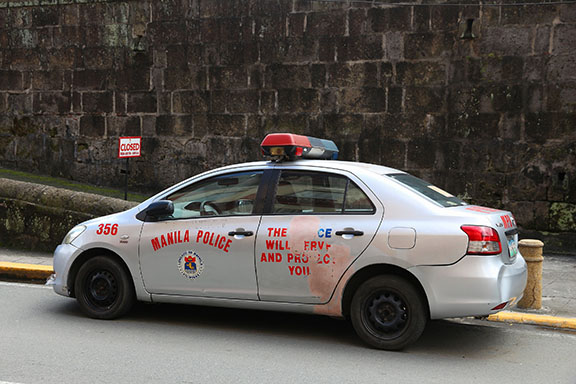
    The Philippines’ National Tobacco Administration called on local government units to intensify enforcement against cigarette smuggling, which the Bureau of Internal Revenue estimates is costing the country between P40 billion and P52 billion ($680–$884 million) annually. The push follows recent seizures, including a March 17 operation in Maguindanao del Norte that recovered P6.46 million ($110,000) worth of illicit cigarettes, underscoring the scale of the problem.

    NTA Administrator Belinda S. Sanchez warned that smuggling threatens public health, government revenue, and the livelihoods of around 2.2 million farmers and workers. Authorities, including the Philippine National Police, are ramping up joint operations, with nearly P3 billion ($51 million) in illicit products seized in late 2025, while reminding retailers that violations under the Anti-Agricultural Economic Sabotage Act of 2024 can carry life imprisonment and heavy fines.

  • Facing $900M Tax Loss, Thailand Cracking Down on Illicit Tobacco

    Facing $900M Tax Loss, Thailand Cracking Down on Illicit Tobacco

    Thailand is intensifying its crackdown on illicit tobacco and e-cigarettes as authorities seek to curb revenue losses and protect public health. The Customs Department reported seizing over 27.3 million illegal cigarettes and 205,000 e-cigarettes worth more than 169 million baht ($5.1 million) in recent operations, highlighting the scale of the underground market. Officials estimate that illicit cigarettes account for around 25% of national consumption, resulting in annual tax losses exceeding 30 billion baht ($900 million), while also distorting competition for legitimate businesses and posing broader security and health risks.

    Authorities say smuggling networks continue to evolve, with Thailand acting as a key transit hub due to its extensive logistics infrastructure, and the southern border identified as a major entry point for illegal cigarettes. In response, enforcement efforts are shifting toward targeted intelligence-led operations, leveraging AI and data analytics to improve detection, alongside stricter penalties—including proposed per-unit fines for e-cigarettes—to close regulatory loopholes. The government aims to dismantle distribution networks, including online channels, while accelerating the destruction of seized products and reinforcing multi-agency cooperation to restore market integrity and safeguard tax revenues.

  • Philippines Seizes $4M in Undeclared Cigarettes

    Philippines Seizes $4M in Undeclared Cigarettes

    Philippine authorities have seized 637 cases of undeclared cigarettes valued at about P235 million ($4 million) at the Port of Batangas, according to the Bureau of Customs. The shipment, which arrived aboard a vessel from the United Arab Emirates, reportedly contained MAC-branded cigarettes but was not listed in the bill of lading, inward foreign manifest, or discharge list, prompting a non-intrusive inspection and subsequent physical examination.

    Officials said the cigarettes were not supported by proper import documents and that the listed consignee was not authorized to import tobacco products, suggesting an attempt to smuggle regulated goods into the country. The case is being investigated under the provisions of the Customs Modernization and Tariff Act.

  • Ireland Seizes €8.5 Million Worth of Illegal Cigarettes

    Ireland Seizes €8.5 Million Worth of Illegal Cigarettes

    Irish authorities seized about 9 million illegal cigarettes at Dublin Port during an inspection of a container arriving from Rotterdam. Officers from Revenue Irish Tax and Customs discovered the cigarettes, branded “Richmond,” concealed in a shipment declared as food after conducting routine risk profiling, assisted by a detector dog and a mobile X-ray scanner.

    The cigarettes have an estimated retail value of more than €8.5 million and represent a potential loss to the Irish Exchequer of over €6.6 million in unpaid taxes. Authorities said the seizure forms part of ongoing efforts to combat the illegal tobacco trade and the wider shadow economy, with investigations continuing.

  • Bulgarians Seize 6M Cigarettes in Produce Truck

    Bulgarians Seize 6M Cigarettes in Produce Truck

    Bulgarian customs authorities seized more than 6.1 million smuggled cigarettes hidden in a refrigerated truck carrying citrus and vegetables from Greece to Poland. The shipment, consisting of three popular brands without Bulgarian excise stamps, had a market value of about €1.15 million, with unpaid excise duties totaling €691,560. The Ukrainian driver was arrested, and an investigation is ongoing.

  • Hong Kong Police Seize 2.2M Smuggled Cigarettes

    Hong Kong Police Seize 2.2M Smuggled Cigarettes

    Hong Kong police and customs officers seized more than HK$10.2 million ($1.3 million) worth of suspected illicit cigarettes during a joint Lunar New Year marine operation on Feb. 21. Acting on suspicious activity in Sai Kung and Lantau Island, officers intercepted two unlit speedboats allegedly transferring contraband to shore, recovering over 2.2 million cigarettes with an estimated duty value of HK$7.4 million. Suspects fled toward mainland waters, while a truck linked to one case was impounded as the investigation continues.

  • Thai Smugglers Move to ‘Ant-Worker’ Tactics as Seizures Increase

    Thai Smugglers Move to ‘Ant-Worker’ Tactics as Seizures Increase

    The Thai Customs Department has intensified its crackdown on tax-evading goods, seizing more than 27.3 million foreign cigarettes and 205,445 e-cigarette units worth an estimated 169.6 million baht ($5.4 million) between October 2025 and mid-February 2026. Director-General Phanthong Loykulnunt said smuggling networks have shifted to “ant-worker” tactics, moving contraband in small parcels via private couriers and concealing goods in commercial lorries to evade checkpoints, prompting authorities to deploy handheld X-ray scanners nationwide. Major operations included a Central Thailand raid with Mae Klong Customs that uncovered 12.5 million cigarettes valued at 62 million baht ($2 million), seizures worth 36 million baht ($1.2 million) in Songkhla and Tak Bai, and a Bangkok raid in Khan Na Yao district that netted hybrid e-cigarettes and IQOS devices worth 10 million baht ($320,000). At Bangkok Port, Customs and the Department of Special Investigation inspected seven overdue containers, discovering over 46,000 disposable vapes hidden among legitimate cargo.

  • Cigarette Smuggling Dominating Hong Kong Customs

    Cigarette Smuggling Dominating Hong Kong Customs

    Cigarette trafficking made up roughly three-quarters of all smuggling investigations handled by Hong Kong’s Customs and Excise Department in 2025, as overall smuggling cases climbed 24% year over year to more than 38,000, the department reported. Authorities recorded over 29,000 cigarette-related cases, up 36%, leading to more than 28,000 arrests, while total seizures remained steady at about 600 million sticks.

    Officials said organized networks increasingly used cross-border travelers — including attempts to conceal cigarettes in clothing, wheelchairs, and strollers — with a 41% rise in passengers exceeding the city’s duty-free limit of 19 cigarettes. Meanwhile, illicit drug cases declined 29% to 961, although total drug seizures increased 19% to 7.5 tons, and the estimated value of all seized smuggled goods reached HK$4.2 billion ($546 million).

  • Greece Busts Major European Illicit Cigarette Ring

    Greece Busts Major European Illicit Cigarette Ring

    Greek police dismantled a highly organized criminal network that had been producing and exporting illegal cigarettes across Europe since 2018, causing state losses exceeding €7 million. In a large-scale operation on January 6, 300 officers raided multiple locations, arresting 26 suspects, including the alleged leaders, while investigating two additional individuals. Authorities said the group operated illegal factories and warehouses, used counterfeit packaging, relied on coded communications and strawmen to conceal identities, and handled finances largely in cash. Police seized 14.4 million cigarettes, 20 tons of processed tobacco, €1.2 million in cash, vehicles, weapons, and electronic equipment. The network reportedly shipped products to several European countries, including Slovakia, and suspects now face charges linked to organized crime, smuggling, money laundering, and arms violations.

  • Brother of Israel’s Security Chief Accused of Smuggling Cigarettes

    Brother of Israel’s Security Chief Accused of Smuggling Cigarettes

    Last week’s indictment against Bezalel Zini, brother of Shin Bet chief David Zini—the head of Israel’s security agency—has cast a spotlight on a sprawling tobacco smuggling network supplying the Gaza Strip, a trade that authorities say has expanded sharply during the past two years of war. Yigal Wynne, CEO of the Federation for Intellectual Property, said attempts to smuggle cigarettes into Israel and onward to Gaza have surged, driven by a sharp increase in truck traffic entering the enclave. Dozens of trucks carrying cigarettes, loose tobacco, hookah tobacco, and e-cigarettes are estimated to reach Gaza each month, often routed through the West Bank or the Palestinian Authority, where goods are stored and organized before being smuggled onward.

    Wynne said the economics of the trade make it highly attractive to criminal and terrorist groups, noting that a single 40-foot container of cigarettes that costs smugglers $100,000 can be worth up to $10 million once sold in Gaza. Cigarettes sourced from Egypt or manufactured in the West Bank—particularly brands such as Capital and Imperial—are sold at price markups of as much as 80%, generating large cash revenues with relatively low legal risk compared with drugs or weapons. While current attention is focused on Gaza, Wynne warned that Israel’s domestic tobacco black market remains substantial, accounting for an estimated 20% of cigarette sales, underscoring broader challenges around illicit trade and enforcement.