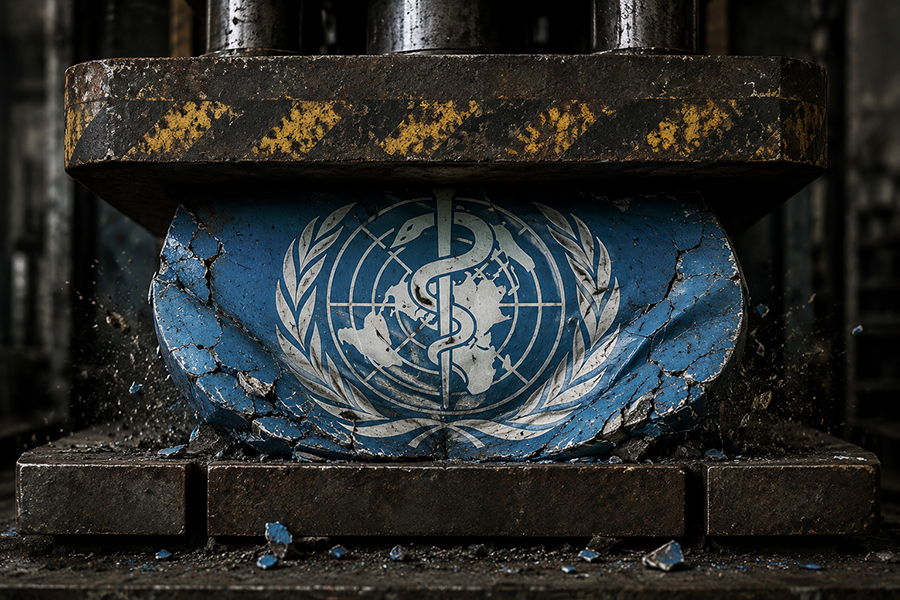
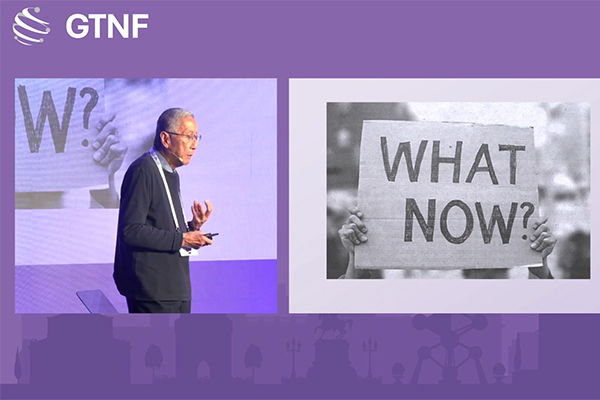
At the Global Tobacco and Nicotine Forum (GTNF) in Brussels, an expert panel explored the growing disconnect between the World Health Organization’s Framework Convention on Tobacco Control (FCTC) and real-world tobacco harm reduction (THR) progress. The session featured Dr. Derek Yach, global health advocate and former WHO executive; Peter Beckett, Co-Founder of Clearing the Air; Dr. Tikki Pang, a professor and former WHO Director of Research Policy and Cooperation; and Dr. Christopher Snowdon, Head of Lifestyle Economics at the Institute of Economic Affairs.
Yach opened the discussion by criticizing the gap between FCTC policymaking and on-the-ground data. He noted that smoking rates are falling faster in countries embracing harm reduction — such as the U.S., U.K., Japan, South Korea, and New Zealand — than under traditional tobacco control strategies. “If it can happen in Pakistan, it can happen in all of Southeast Asia,” he said. “And if it happens in Southeast Asia, we could be seeing oral cancer in the rearview mirror.” Yach emphasized the need for collaborative public–private partnerships to ensure product safety and credibility, while urging policymakers to move beyond what he called the “distraction” of youth-related arguments that ignore the millions of adult smokers seeking alternatives.
“It’s not that youth use isn’t important, but putting all the attention on kids doesn’t help for 50 years,” he said. “What about their parents? We could be adding years to their lives right now. [Anti-THR people] just use the youth as a way to divide the argument. We need to shift to the data and take the kid issue off the table.”
Beckett took a blunt tone, arguing that the FCTC framework is obsolete, exclusive, and lacking transparency. He said the WHO’s current approach alienates the public and damages its credibility, calling the situation “chaotic,” which makes it easier for harm-reduction advocates to push back on. Beckett urged reform-minded countries — especially WHO funders — to “recognize the world as it is” and resist “bullying by overpaid foundations with an agenda,” and accused prohibitionist groups of crossing the line.
“Ten years ago, they were disingenuous; now they’re straight-up lying,” he said. “I keep hearing the same damn thing. ‘We need to engage with science, we need to be nice to the other side.’ I’m calling bullshit on that. It doesn’t work. There is no amount of science that will do the job. If there was, they’d let me in the bloody room when they have these conversations. We have to recognize this and say enough, and call for a tearing down of the framework in its entirety, because it’s not salvageable.”
Pang reiterated that many developing countries adopt WHO guidance without generating or analyzing their own data. “They take the easy way out,” he said, “because they lack the capacity to build evidence locally.” Pang pointed to emerging “pockets of positive thinking” among countries that are now re-evaluating WHO recommendations and embracing THR. He called for greater industry unity — across state-owned, multinational, and startup sectors — and stronger alignment with consumer voices. “Consumers are also voters,” he reminded the audience, “and together they can influence policy.”
Snowdon warned of troubling developments within the WHO, citing “endgame” proposals that reject harm reduction as an industry “con.” He described this as a “quasi-religious mission to destroy all tobacco,” resistant to evidence and reason. Snowdon noted that while grassroots THR advocacy exists, it ironically remains underfunded and overshadowed by well-resourced opposition.
“We are greatly out-financed. The industry can contribute, but then we get ostracized,” he said. “We have a genuine grassroots movement, but these people have lives to live. They can’t be doing it all the time. Meanwhile, the other side has unlimited resources. The media could be helpful, but they don’t want to risk it.”
Across the panel, a consensus emerged: the WHO’s FCTC framework risks irrelevance unless it adapts to include harm reduction. Participants agreed that the future of global health policy must be driven by data, innovation, and collaboration rather than ideology.
The GTNF is the world’s leading annual conference discussing the future of the tobacco and nicotine industries. It is the global exchange for views and ideas between public health experts, government representatives, the industry, and investors.