Tag: tobacco control

  • India Raises Cigarette Tax to Curb Consumption

    India Raises Cigarette Tax to Curb Consumption

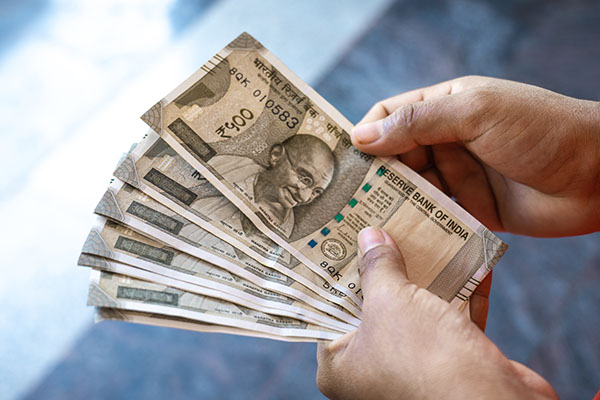
    India’s parliament approved the Central Excise (Amendment) Bill 2025, a tax reform expected to raise cigarette prices for the country’s estimated 100 million smokers. The bill was introduced on December 1 and passed on December 3.

    The new law replaces a temporary levy and imposes a value-based tax of 2,700–11,000 rupees ($29–$122) per thousand sticks, depending on size, in addition to a 40% goods and services tax. Experts estimate this could raise excise duties by 25–40% on average, potentially prompting higher retail prices. Finance Minister Nirmala Sitharaman emphasized that cigarettes should not become affordable, noting that current taxes account for about 53% of retail prices.

  • Russian Deputies Call for Complete National Vape Ban

    Russian Deputies Call for Complete National Vape Ban

    A group of State Duma deputies proposed amendments to completely ban the sale of vapes and e-liquids in Russia, while also introducing stricter penalties for illegal trafficking and involving minors in nicotine use. The amendments, prepared by deputies led by Yaroslav Nilov, Yana Lantratova, and Nina Ostanina, have been submitted for consideration to relevant working groups and reviewed by RBC.

    The proposal is linked to the second reading of a bill on licensing the retail trade in tobacco and nicotine products. Deputies highlighted that the ban aligns with President Vladimir Putin’s call for radical measures to protect children and young people from vaping risks. The amendments were sent to multiple inter-factional working groups focusing on public health, moral education, and the protection of traditional Russian values.

    The initiative has been framed as a long-overdue measure to safeguard public health, according to Lantratova, who emphasized that partial restrictions are insufficient. The current bill, submitted by the government in September 2025, sets a licensing framework for retail sales of tobacco and nicotine products, with unlicensed sales prohibited from September 1, 2026, and a transition period until September 1, 2027. The Ministry of Finance has also proposed giving regional authorities the power to impose local bans on vape sales, notifying the Federal Service for Alcohol Tobacco Control accordingly.

  • Geneva Meeting Boosts Action Against Illicit Tobacco

    Geneva Meeting Boosts Action Against Illicit Tobacco

    The fourth session of the Parties to the Protocol to Eliminate Illicit Trade in Tobacco Products wrapped up in Geneva on November 26, with 60 Parties agreeing to strengthen international cooperation and enforcement. Decisions include compiling and analyzing tobacco seizure data, forming working groups on research and best practices, and improving licensing fee monitoring. Illicit trade is estimated to account for 11% of the global tobacco market, costing governments billions.

    The meeting also welcomed Vanuatu as the Protocol’s 71st Party, reinforcing global efforts under the WHO Framework Convention on Tobacco Control.

  • HPW Says ‘Industry Interference’ Stalled COP Decisions

    HPW Says ‘Industry Interference’ Stalled COP Decisions

    In its overview of the Eleventh Conference of the Parties (COP11), Health Policy Watch said that “industry interference remains the main issue preventing concrete steps toward more effective control of new tobacco products.” The article said that despite extensive debate, delegates failed to reach a consensus on issues such as plastic cigarette filters and disclosure requirements, opting instead for informal consultations, blaming outside forces that influenced delegates who pitched “competing drafts.”  

    “We know very well what works and what doesn’t,” Filippos Filippidis, Chair of the Tobacco Control Committee at the European Respiratory Society and Associate Professor at the School of Public Health at Imperial College London, was quoted in the article “The problem is that because of interference and the big money that is involved, some countries remain reluctant to apply some of these policies.”

    According to Health Policy Watch, delegates agreed to increase state funding for domestic tobacco control programs, consider more forward-looking measures such as generational bans on cigarettes, and approved calling on Parties to consider stronger legislative action to deal with criminal and civil liability related to tobacco control.

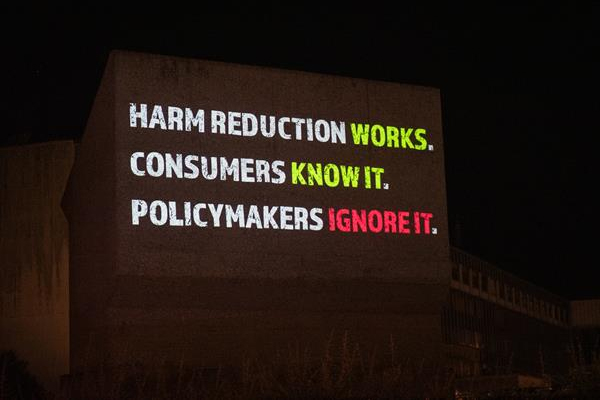
    However, Health Policy Watch said the “most controversial topic,” which did not get settled, concerned the way new products, such as electronic and heated tobacco and nicotine products, should be addressed, which leads into the “harm-reduction” argument that many anti-tobacco advocates believe is Big Tobacco propaganda. Industry representatives argue that the controversy and contention could be reduced via open discourse with all interested parties, and often criticize the WHO Framework Convention on Tobacco Control (FCTC) for working in secrecy and prohibiting open dialogue.

    Andrew Black, Acting Head of the Secretariat, said the unsolved discussion would be addressed at COP12 in Armenia in 2027, while Gan Quan, senior vice president of Tobacco Control at the New York City-based Vital Strategies, gave little hope that outside input would be welcomed.

    “We saw an unprecedented level of industry interference at this COP,” Quan said. “In terms of the composition of the delegations, it’s a bit out of control. The goal for future progress is to do a better job in keeping the industry out of that discussion.”

  • Selangor Drafting Policy to Regulate Vape

    Selangor Drafting Policy to Regulate Vape

    The Malaysian state of Selangor is drafting a policy paper that could lead to a gradual ban on electronic cigarette use, according to state public health and environment committee chairman Jamaliah Jamaluddin. She said the policy will align with the Tobacco Product Control Act for Public Health 2023 (Act 852) and take into account market realities, public health impacts, and enforcement needs. The announcement was made during the Selangor state assembly sitting in Shah Alam in response to a query about prohibiting vapes.

    Jamaliah said the state government has already begun engagement sessions with stakeholders, including the Selangor State Health Department and local authorities, to discuss implementation. Initial steps include removing vape-related advertisements and promotional signage at retail outlets across the state. She emphasized that enforcement will be strengthened through cooperation between state agencies, local authorities, and federal bodies.

    The state also plans to expand awareness campaigns targeting youths, highlighting the risks and harmful health effects of vaping. Advocacy programs will involve secondary schools and universities through carnivals, talks, and interactive sessions. Health clinics will be equipped with support hotlines and nicotine addiction screening services to assist individuals seeking to quit vaping.

  • Environment, Liability Remain Focus as COP11 Concludes

    Environment, Liability Remain Focus as COP11 Concludes

    The Eleventh session of the Conference of the Parties (COP11) to the WHO Framework Convention on Tobacco Control closed in Geneva after six days with a reported 1,600 participants and 160 Parties, delivering a series of major decisions aimed at strengthening global tobacco control. Delegates focused heavily on environmental protections, sustainable funding for tobacco control programs, and forward-looking regulatory strategies addressing emerging nicotine products.

    Among the more significant conclusions was a decision urging Parties to consider stricter regulation of tobacco and nicotine product components—including cigarette filters, electronic devices, and other materials that contribute to environmental pollution. COP11 also reaffirmed domestic resource mobilization as essential for sustainable tobacco control, and advanced efforts under Article 19 of the treaty, encouraging countries to strengthen civil and criminal liability mechanisms targeting the “harms caused by the tobacco industry.” Delegates further considered novel approaches allowed under Article 2.1, signaling readiness among Parties to adopt measures beyond the treaty’s minimum requirements.

    COP11 also adopted a decision calling for a total ban on the use and sale of all tobacco products and emerging nicotine products—including heated tobacco, e-cigarettes, disposable vapes, and nicotine pouches—across all United Nations premises worldwide. Discussions also emphasized the growing importance of Article 5.3, which shields policymaking from tobacco industry interference amid rising concerns about marketing tactics for new nicotine products. The conference concluded with the announcement that COP12 and the next Meeting of Parties to the Protocol to Eliminate Illicit Trade in Tobacco Products will convene in Yerevan, Armenia, in 2027.

  • Good Cop 2.0 Concludes with Focus on Prohibitionist Policies

    Good Cop 2.0 Concludes with Focus on Prohibitionist Policies

    The final day of Good COP 2.0 highlighted the global consequences of strict, prohibitionist tobacco control measures. Speakers drew attention to the rise in illicit trade, gang violence, and punitive enforcement, attributing these outcomes to policies like heavy taxation and rigid pre-market approval systems promoted under WHO guidelines, which often overlook scientific evidence and consumer behavior.

    “There is a portion of people that you’ll never reach by only appealing to the evidence,” said author Jacob Grier. “It’s also important to change the framing and shift the culture.”

    Panel discussions explored the real-world harms of fundamentalist approaches and stressed the importance of including consumer perspectives in policymaking. Experts also outlined frameworks for effective, humane nicotine regulation, including suggestions that U.S. reforms might require a partial repeal of the Tobacco Control Act and a more measured FDA approach.

    The event concluded with an open forum, allowing participants to reflect on the week’s discussions and emphasizing the urgent need for reform within the WHO’s FCTC framework to create balanced, evidence-based global tobacco policy.

    “Of the funds that are contributed to the WHO, a significant percentage goes to the FCTC Secretariat,” said professor Tikki Pangestu. “Only a small amount goes toward running the programs. Meanwhile, a growing percentage of WHO funding comes not from member nations, but from outside groups with dubious agendas.”

  • Bhutan Implements 115% E-Cigarette Tax

    Bhutan Implements 115% E-Cigarette Tax

    Bhutan’s Ministry of Health (MoH) announced a major fiscal crackdown on e-cigarettes, introducing a combined 115% tax on vaping products, including 100% excise, 10% customs duty, and 5% GST, all effective January 2026. Devices will also face a 20% excise tax alongside customs duty and GST.

    The MoH said the move aims to curb rising youth use of e-cigarettes and align vaping products with traditional tobacco under the country’s regulatory framework. The Tobacco Control Rules and Act are also being updated to explicitly cover e-cigarettes, vapes, and heated tobacco products.

    The government continues to enforce bans on advertising, promotion, and sponsorship of all tobacco and nicotine products.

  • EU’s Tobacco Tax Harmonization Would Cost Luxembourg €1 Billion

    EU’s Tobacco Tax Harmonization Would Cost Luxembourg €1 Billion

    While the EU’s proposed Tobacco Tax Directive aims to align minimum rates across member states, experts say the harmonization would present a delicate fiscal balance for Luxembourg, where tobacco tourism funds a significant part of the budget. Cigarette prices in Luxembourg could jump from €5.10 to around €8.30, erasing its advantage over neighboring countries, costing the Grand Duchy close to €1 billion, as 95% of the country’s tobacco tax revenue comes from non-residents. At €50 million, tobacco taxes would drop from 69% to 3.5% of Luxembourg’s national budget.

    Public health officials argue the tax losses would be offset by saved healthcare costs and reduced productivity losses.

  • Korea Enforces New Law Regarding Tobacco Ingredients

    Korea Enforces New Law Regarding Tobacco Ingredients

    Starting November 1, South Korea began requiring tobacco companies to test and disclose harmful substances in their products under the new “Act on the Management of Harmfulness of Tobacco.” All manufacturers and importers — including those of cigarettes, heated tobacco, and e-cigarettes — must test products through certified labs every two years and submit results by October 15 annually. Existing products must be tested by January 2026, with public disclosure of results expected in the second half of next year.

    Health Minister Chung Eun-kyung said the system will support evidence-based smoking prevention, while Food and Drug Safety Minister Oh Yu-kyoung pledged transparent communication with the industry to ensure smooth rollout.