

Namibia is reviewing its Tobacco Products Control Act to strengthen oversight of e-cigarettes and other emerging nicotine products, amid rising youth usage and concerns over weak enforcement. Health officials say the reforms aim to close regulatory gaps and curb illicit trade, with plans to join international protocols targeting the black market. Public health experts warn that aggressive marketing and perceptions of reduced harm are driving uptake among young people. At the same time, authorities acknowledge ongoing challenges in enforcement and compliance as demand for vaping products continues to grow.
Tag: tobacco control
-

SNP Proposes Vape Display Ban if Re-elected
Scotland’s ruling Scottish National Party (SNP) has pledged to ban the display of vaping products in retail outlets if re-elected, aligning vape regulations more closely with existing tobacco restrictions. The move, aimed at reducing youth appeal linked to colorful packaging and in-store visibility, would be enabled through powers in the UK’s pending Tobacco and Vapes Bill. The proposal builds on existing measures, including the ban on single-use vapes, and reflects broader efforts to tighten controls on nicotine products amid concerns over rising youth usage.
-

Western Australia Tightening Tobacco and Vape Laws
The Government of Western Australia Department of Health updated its website to address the new legislation that it is preparing to implement to strengthen tobacco and vaping controls, targeting the growing illicit market with tougher enforcement measures. The laws make it an offence to sell, supply, or possess illegal tobacco or vape products, grant authorities powers to shut down non-compliant premises, and introduce significantly higher penalties. Public smoke-free areas will also be extended to include vaping.
The government said further reforms are planned for later in 2026, including stricter rules for landlords and licensing, as part of a broader effort to curb illegal trade and enhance public health protections.
-
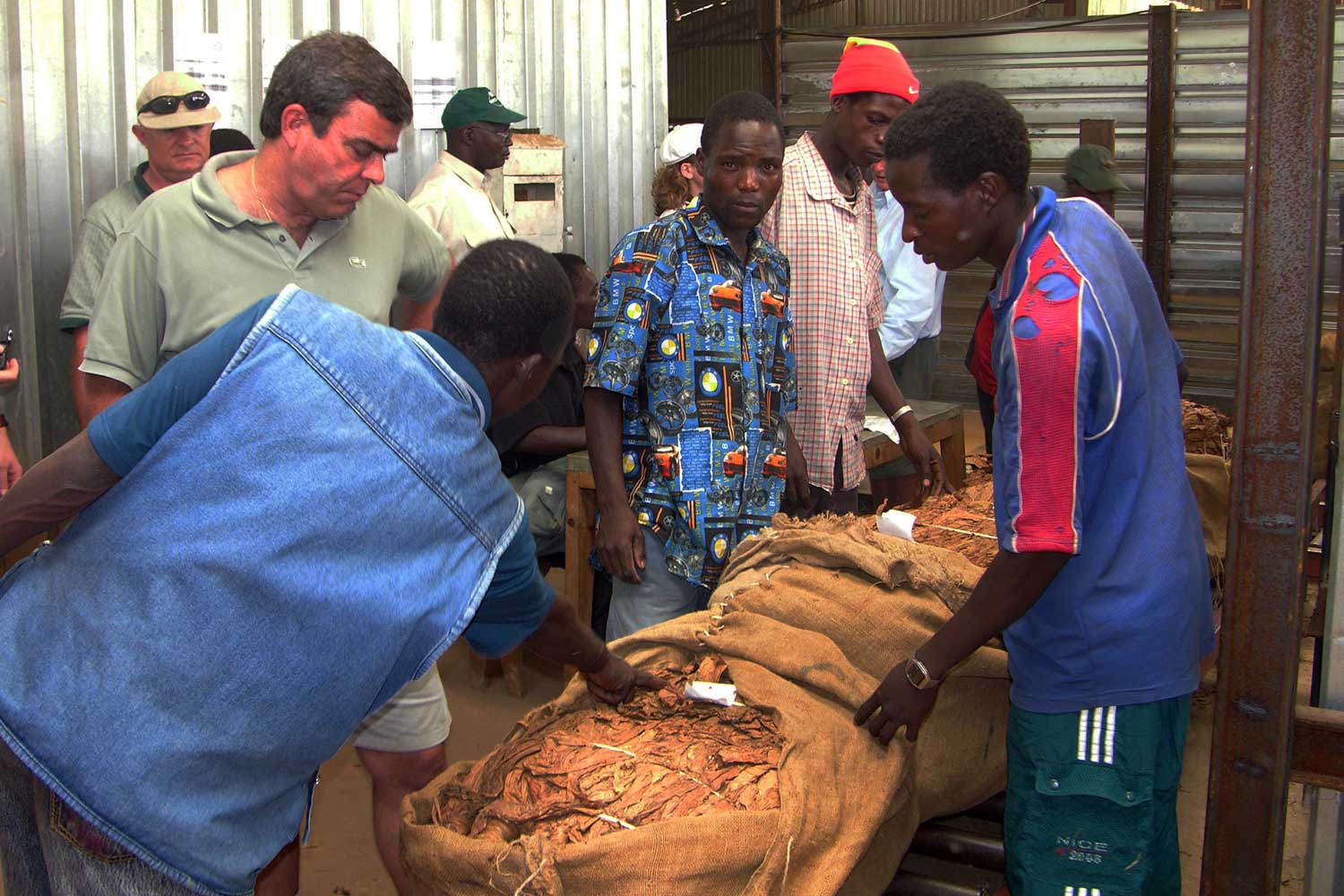
Mozambique Advances Comprehensive Tobacco Control Law
Mozambique’s Assembly of the Republic approved in general terms a new Tobacco Law aligned with the World Health Organization’s WHO Framework Convention on Tobacco Control, aiming to curb consumption and exposure to tobacco smoke. Presenting the bill, Justice Minister Mateus Saíze outlined health harms linked to tobacco use and said the country faces an estimated 11.7 billion meticais ($187 million) in annual direct and indirect losses — about 1.3% of GDP — including 900 million meticais ($14.4 million) in healthcare costs.
-

Ukraine Moves to Ban Nicotine Pouch Sales to Minors
Ukraine is preparing to tighten regulation of nicotine pouches through draft law No. 14110-d, which would ban their sale to minors and limit advertising, according to Mykhailo Radutskyi, head of the parliamentary health committee. He said current anti-tobacco laws, aligned with European directives, do not adequately cover newer nicotine products such as pouches and snus, leaving gaps in rules on sales and promotion.
The proposal, developed by the health committee of the Verkhovna Rada, also addresses broader issues, including enforcement against e-cigarette components entering the market, and pending requirements for larger health warnings on cigarette packs. Radutskyi cited rising tobacco use, particularly among youth, as a key reason to update the legislation.
-

Smart Glass Exposes Smokers in Shenzhen Malls Restrooms
Two shopping centers in Shenzhen, China, have fitted men’s restroom cubicles with smart glass doors that turn transparent when smoke is detected, aiming to stop visitors from smoking inside toilets. The system was introduced in August 2025 at the Shuibei International Center and Gold Plaza. Sensors trigger the glass to clear if cigarette smoke is present, exposing the occupant and discouraging the behavior.
A staff member at Gold Plaza said the measure has drawn positive feedback from shop owners and shoppers, who say it helps maintain cleaner, smoke-free facilities.
-

EU Smoking Rate Drops 4% Since 2012
The European Commission reported that smoking prevalence across the European Union is currently 24% as it released an evaluation of the bloc’s tobacco control framework on April 2, down slightly from 28% in 2012. The review assessed the performance of the Tobacco Products Directive and the Tobacco Advertising Directive, citing progress in public health protection, reduced tobacco-related deaths, and improved internal market functioning through harmonized rules on labeling, ingredient reporting, packaging, traceability, and cross-border advertising restrictions.
The evaluation also flagged gaps in current legislation amid the rapid growth of novel nicotine products such as e-cigarettes, heated tobacco, and nicotine pouches, which the Commission said pose particular risks for youth and may act as a gateway to nicotine addiction. While traditional advertising has been curtailed, digital and covert online promotion remains a challenge. Based on the findings, the Commission will begin an impact assessment and consultations ahead of a planned proposal in 2026 to revise the EU’s tobacco control laws.
-
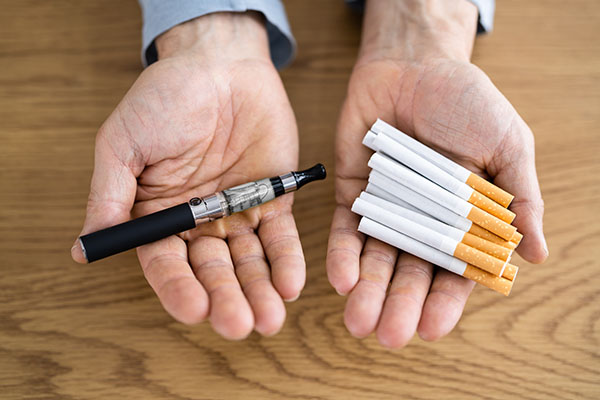
EU HTP Report Seen as Harm Reduction Obstacle
Heated Community Hub has voiced strong concern over the approach taken by the European Commission in its recent evaluation report on the EU tobacco regulatory framework. According to the group, the document is heavily unbalanced in its assessment of next-generation products — particularly heated tobacco — focusing almost exclusively on potential risks while failing to adequately acknowledge reduced-risk considerations or the experiences of adult consumers who have reduced or quit smoking traditional cigarettes by switching to alternatives.
Francesco Luongo, president of Heated Community Hub, said the EU risks undermining its own “Tobacco-Free Generation” goal of reducing tobacco use to below 5% by 2040 by applying policies that could affect alternative products indiscriminately. Citing Sweden’s decline in daily smoking to 5.3% in 2024 compared with an EU average of 24%, Luongo argued that a more pragmatic approach is needed to avoid pushing former smokers back to combustible products or fueling illicit trade.
-

Ireland Called to Consider Australian-Style Vape Ban
Calls to restrict vape sales to pharmacies have resurfaced in Ireland after a regional health forum asked the Health Service Executive to study whether an Australia-style model could curb youth vaping. At the HSE South-West Regional Health Forum, councilors from multiple parties backed a motion from Cork City South East Councilor Peter Horgan, urging research into the potential benefits and drawbacks of limiting vape sales to pharmacy-only settings. The proposal follows mounting concern over youth use, with estimates suggesting one in five 15–16 year olds now vape, and ongoing criticism of brightly colored devices and sweet flavors seen as appealing to children.
Supporters of the motion pointed to Australia’s 2024 shift to pharmacy-only sales for all vaping products as a possible template, arguing that higher prices and restricted access there may have reduced affordability for young people despite illicit trade challenges. HSE representatives highlighted existing national campaigns aimed at parents, schools and teenagers, including peer-led education and the “Take a Breath” initiative launched in 2025. The forum agreed to seek national HSE funding for a feasibility study, with the intention of using the findings to inform future policy discussions at the government level.
-

Dutch Study: Supermarket Sales Ban Dropped Smoking 1%
A study by SEO Economic Research estimates that the Netherlands’ ban on tobacco sales in supermarkets, mini-markets, and night shops from July 1, 2024, led to 23,000 fewer smokers by year-end, about a 1% drop nationwide. The reduction in outlets cut the number of tobacco sales points within 250 meters of homes by half, with 47% of those who quit living in vulnerable neighborhoods, suggesting the measure helped narrow health disparities.
Researchers found smoking likelihood falls 6% when no outlet is within 250 meters, while overall outlet numbers dropped 60%, forcing consumers to travel 1.5 times farther on average. The findings were welcomed by KWF Kankerbestrijding, which is urging further reductions in retail availability amid growth in standalone tobacco specialty shops.