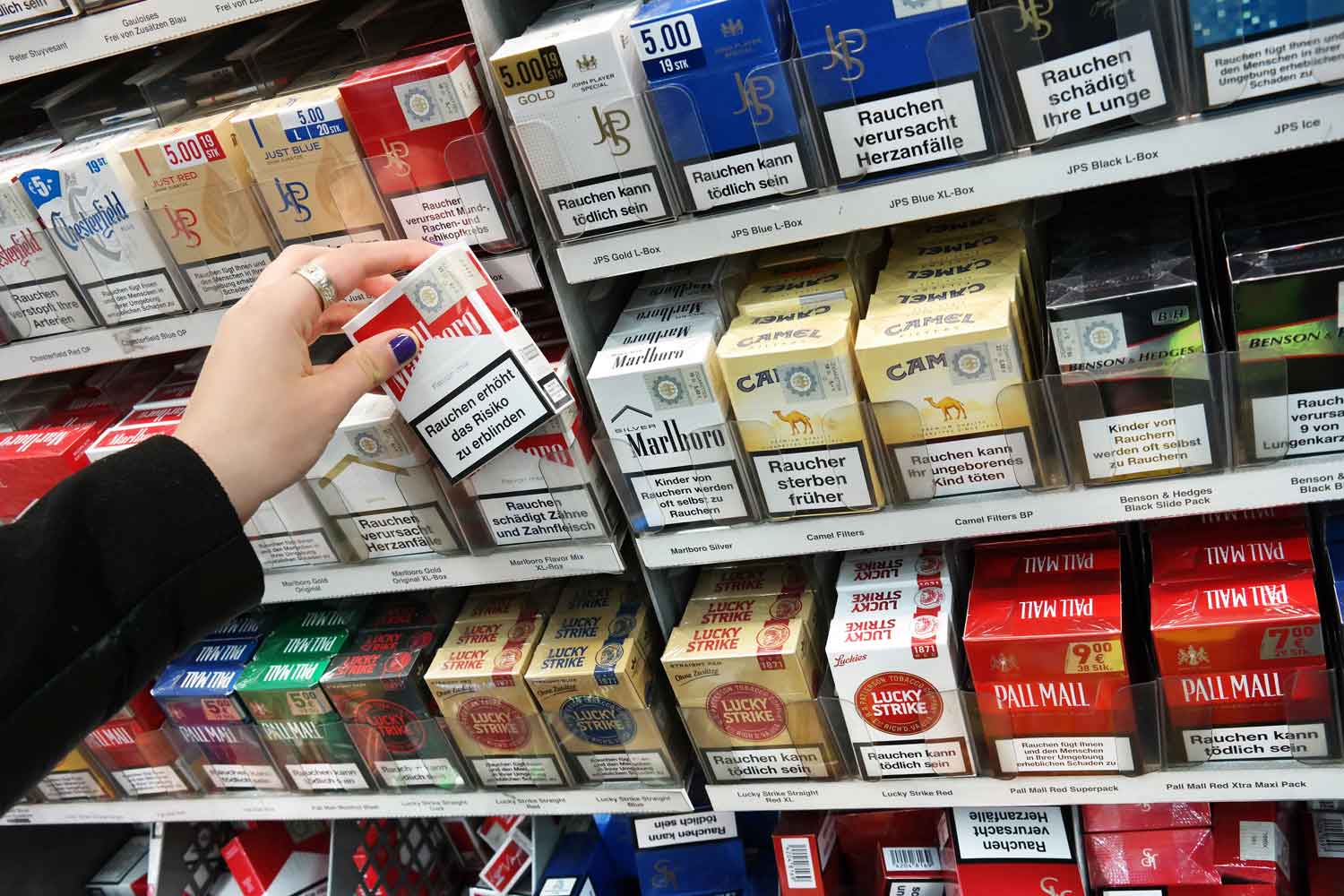
Germany’s Bundestag is scheduled to hold a first reading Sept. 24 of a government bill that would raise taxes on cigarettes, heated tobacco, e-liquids, fine-cut tobacco, and other tobacco products annually from 2027 through 2030. The proposal would increase the weighted average retail price of a 20-cigarette pack from about €8.05 currently to €8.77 in 2027 and €11.36 by 2030. The bill is expected to move to parliamentary committees after the debate.
The government estimates the changes would generate €756 million in additional tobacco-tax revenue in 2027, rising to €3.589 billion annually by 2030. The German Association of the Tobacco Industry and Novel Products (BVTE), backed by BAT, JTI, Philip Morris, Reemtsma, and tobacco trade associations, has launched a campaign calling for lower and more predictable increases, citing concerns about legal-market sales and illicit trade.