

Plasencia Cigars announced that it appointed Rodrigo Medina Mendieta as its first-ever Global Brand Ambassador, creating a new role aimed at strengthening the company’s international presence and brand storytelling. The appointment recognizes Medina Mendieta’s nearly 11 years with the company, during which he helped expand Plasencia’s footprint across Europe, Asia, the Middle East and other global markets. As Global Brand Ambassador, he will represent the brand worldwide, working with retailers, distributors, media and consumers to promote the Plasencia family’s five-generation tobacco heritage, craftsmanship and vertically integrated approach to cigar production.
Blog
-
Maldives Seized 23,000 Illegal Vapes Last Week
Maldives customs authorities seized 23,008 vape cartridges over the past week in a series of enforcement operations targeting illegal imports following the country’s vaping ban. The latest seizure occurred on June 20 at Malé Commercial Harbor, where 6,328 cartridges were found hidden inside a shipment declared as general cargo. Earlier interceptions included 1,108 cartridges and 27 vaping devices concealed in food packaging, as well as separate bulk seizures of 5,600 and 15,600 cartridges from cargo inspections conducted over recent days.
Authorities have not disclosed the origin of the shipments or identified any suspects, stating that investigations are ongoing. Under the Maldives Tobacco Control Act, which banned vaping products in December 2024, import violations carry fines of MVR 50,000 ($3,250) plus MVR 10,000 ($650) per electronic cigarette or vape product, with total penalties in this case expected to exceed MVR 230 million ($15 million).
-

PMI Announces New Regional Leadership
Philip Morris International announced a series of regional leadership changes effective August 1, as the company continues to advance its smoke-free transformation and implement the organizational structure introduced in late 2025. Marco Hannappel will become president of PMI’s Europe Region, succeeding Massimo Andolina, who was recently appointed Group Chief Financial Officer, while Can Kuterdem will take over as president of the Latin America and Canada Region.
The appointments complete PMI’s four-region leadership model, alongside Gijs de Best, who assumed leadership of the South Asia, Indochina, CIS, Middle East and Africa Region in January, and Vassilis Gkatzelis, who continues to lead the East and Southeast Asia, Pacific and Global Travel Retail Region. All four regional presidents report to Frederic de Wilde, CEO of PMI International, which oversees the business unit generating the majority of PMI’s global revenue. The leadership changes align with PMI’s broader strategy to strengthen execution and support growth across its expanding smoke-free portfolio and evolving global consumer goods business.
-

CTIHK Expects Potential 30% Revenue Decline
China Tobacco International (HK) (CTIHK) announced that first-half 2026 revenue is expected to decline 25%–30% year over year, with profit attributable to shareholders falling 10%–15%, primarily due to lower tobacco leaf imports from the U.S. and other regions and delays in cigarette shipments to China’s domestic duty-free market. The warning underscores CTIHK’s continued dependence on traditional tobacco supply chains, with tobacco leaf imports, exports, and Brazilian operations accounting for about 88% of 2025 revenue, while new tobacco products contributed less than 1%.
The company’s exposure to Chinese import planning, domestic demand, duty-free channel dynamics and global trade conditions remains a key driver of performance. Investors will see if leaf imports and duty-free shipments recover in the second half of 2026 and whether CTIHK can diversify beyond its traditional tobacco businesses.
-

UK Vaping Duty Expected to Generate £565M by 2030
The UK will introduce its new Vaping Products Duty (VPD) on October 1, applying to all vaping liquids, including nicotine-free products. The measure is expected to significantly boost government revenue, with vaping duty receipts projected to rise from £135 million in fiscal 2026/27 to £565 million by 2030/31.
Under the new rules, travelers aged 17 and older entering Great Britain will be allowed to bring in up to 50ml of vaping liquid duty-free for personal use. Anyone carrying more than 50ml must declare the products and pay duty on the entire quantity, not just the excess amount.
Northern Ireland will operate under different arrangements due to its access to the EU goods market. Travelers arriving directly from EU countries may continue bringing unlimited quantities of vaping liquid for personal use without paying duty, while arrivals from non-EU countries remain subject to existing personal goods allowances.
The new duty and traveler limits are expected to affect duty-free retailers serving UK-bound passengers, potentially reducing purchase volumes and prompting adjustments to product assortments. HMRC has urged retailers and stakeholders to provide clear passenger guidance to minimize border non-compliance.
-

Vermont Tightens Tobacco Regulations
Vermont enacted sweeping changes to its tobacco and nicotine regulatory framework, effective July 1. The legislation expands statutory definitions to include “tobacco substitutes” and significantly increases licensing costs, with tobacco license renewal fees rising from $110 to $1,000 and tobacco substitute endorsement fees increasing from $50 to $1,000.
The law also raises civil penalties and prohibits the marketing, branding, labeling, advertising, distribution, or sale of tobacco products or tobacco substitutes that imitate non-tobacco consumer products, a measure aimed at reducing youth appeal.
Under the new tax structure, tobacco substitutes containing less than 5 mg of nicotine per gram will be taxed at 92% of the wholesale price, while products containing 5 mg per gram or more will face a 100% wholesale tax rate.
To strengthen enforcement, Vermont is creating a permanent Investigator position within the Department of Liquor and Lottery to oversee compliance and investigate violations related to direct-to-consumer sales and delivery of alcohol and tobacco products. The state has appropriated $160,000 from the Tobacco Litigation Settlement Fund for fiscal year 2027 to support the new enforcement role.
-

Illinois Caps Premium Cigar Taxes
Illinois is the latest U.S. state to implement a tax cap on premium handmade cigars after Governor JB Pritzker signed the state’s FY2027 budget legislation into law this week. The measure caps state tax on premium handmade cigars at $0.75 per cigar and applies to both in-state and remote sales, beginning January 1, 2027. Industry groups said the change is intended to reduce the tax burden on premium cigar retailers and consumers while improving tax parity within the category.
The legislation follows years of advocacy by the Premium Cigar Association, Cigar Rights of America, and the Cigar Association of America. Industry representatives said the successful campaign was supported by economic analysis developed by the PCA and CAA examining the projected effects of cigar tax caps.
-

Study Smoking Rates Impacted by Social Norms
A new study from the University of California San Diego developed a quantitative tool to measure public attitudes toward smoking restrictions and secondhand smoke exposure across the United States over the past 30 years. Researchers analyzed responses from 1.5 million participants in the Tobacco Use Supplement to the Current Population Survey between 1992 and 2022, creating a “Willingness to Restrict Smoking” (WTRS) scale. The measure captures public support for smoking restrictions in settings such as hospitals, workplaces, restaurants, shopping malls, bars, playgrounds, and casinos.
The study, led by David Strong and published in BMJ Public Health, found that states with stronger support for smoking restrictions generally had lower smoking rates. Support for smoke-free environments increased steadily over the three-decade period, with hospitals and playgrounds receiving the highest levels of support for smoking bans.
According to the researchers, the findings provide evidence that tobacco control strategies focused on changing social norms around smoking and secondhand smoke can contribute to declines in smoking prevalence. The WTRS scale is intended to give public health officials and tobacco control programs a new tool to evaluate whether policies and public education campaigns are successfully shifting attitudes toward smoking.
-

National Rally Set to Oppose EU Tobacco Tax Report
France’s Jordan Bardella confirmed that National Rally will vote against a European Parliament report on the revision of the EU’s Tobacco Excise Directive (TED), despite the measure being drafted by Czech MEP Tomáš Kubín from the party’s own Patriots for Europe alliance.
According to Euractiv, the report rejects the European Commission’s proposal for higher taxes on newer nicotine products such as e-cigarettes, heated tobacco products and nicotine pouches, while supporting higher taxation of traditional cigarettes. Most members of Patriots for Europe, along with the European People’s Party and European Conservatives and Reformists, are expected to support the text, while Socialists, liberals, Greens, and the Left oppose it.
Bardella said National Rally would vote against the report because it could lead to additional taxation in France, citing concerns about consumer purchasing power. Euractiv reported that the party’s opposition could jeopardize the narrow majority needed for Parliament to adopt an official position on the file, as National Rally controls around 30 seats in the chamber.
If the report fails, it could strengthen the European Commission’s position in future negotiations by leaving Parliament without a formal stance on the tobacco tax overhaul. The Commission is seeking higher excise taxes on emerging nicotine products and additional revenue for the EU budget, while several member states argue reduced-risk products should be taxed less heavily than cigarettes. According to Euractiv, Bardella’s position could therefore have the unintended effect of aiding efforts to increase EU-wide taxes on vaping and other smoke-free products.
-
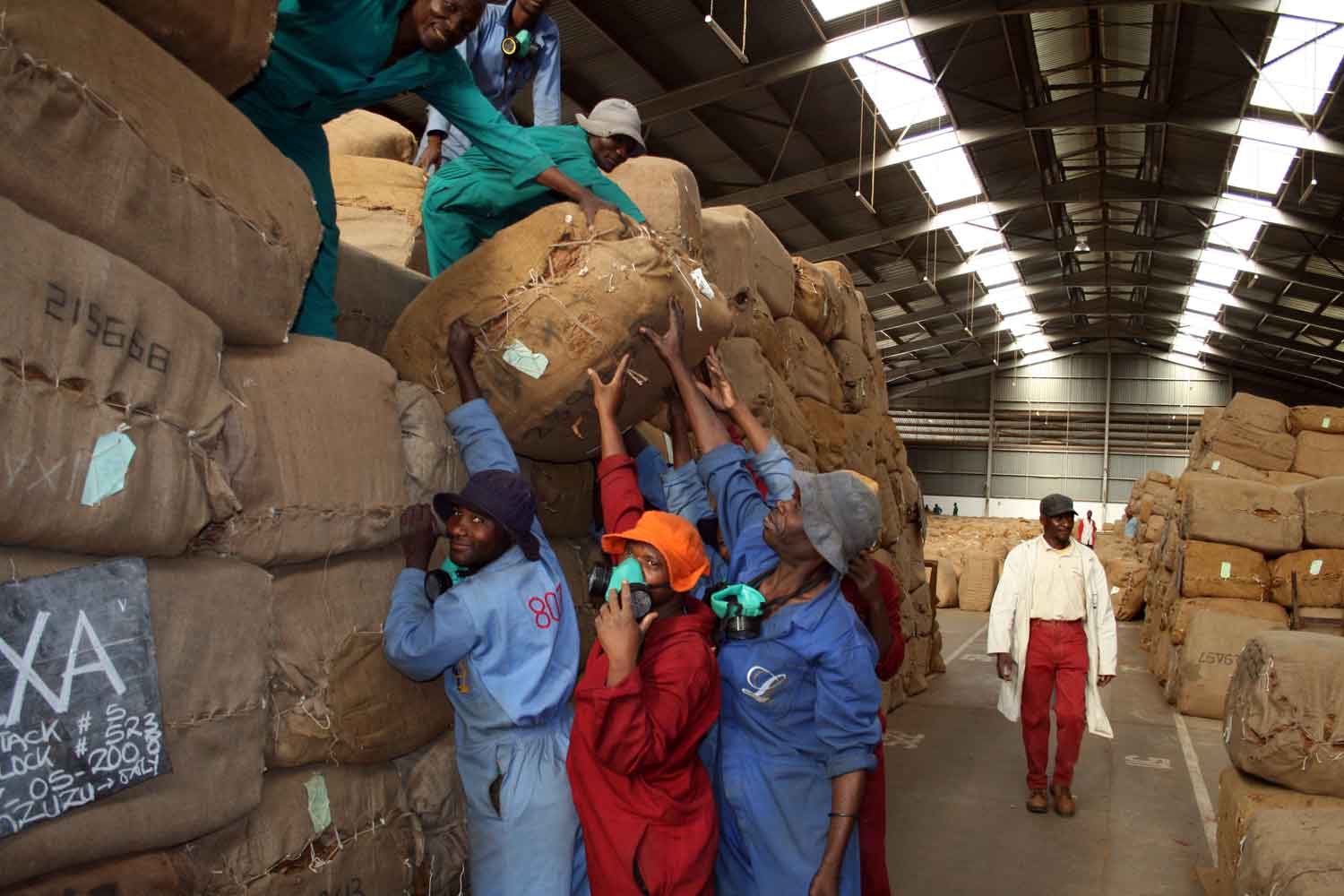
Malawi’s Tobacco Sales Drop 28% in First Eight Weeks
Malawi’s tobacco industry generated MK223.4 billion ($129.6 million) in sales during the first eight weeks of the 2026 marketing season, according to the Tobacco Commission. A total of 62.1 million kg of tobacco was sold at an average price of MK3,588 ($2.08) per kg.
The Tobacco Commission said market performance remained stable despite lower volumes and earnings compared with the same period in 2025, when 72.7 million kg were sold for MK309.3 billion ($179 million), marking a nearly 15% reduction in volume and 28% reduction in earnings.
By week eight, the overall rejection rate across auction and contract sales stood at 5.5%. Contract burley tobacco recorded a rejection rate of 2.8%, while auction burley rejection reached 64%.