Blog

  • LA Passes Two Tobacco, Vape Bills

    LA Passes Two Tobacco, Vape Bills

    Louisiana Governor Jeff Landry signed two tobacco and vapor product bills that strengthen retail restrictions and supply-chain oversight. House Bill 302 prohibits the issuance of vapor product retail permits within 300 feet of schools, while allowing regulators flexibility in how the distance is measured.

    House Bill 623 establishes a new three-tier permitting system separating manufacturers, wholesalers, and retailers of tobacco and vapor products, limiting cross-ownership between tiers and requiring retailers to source products only from licensed Louisiana wholesalers. The law also mandates that tobacco and vapor products move through a regulated manufacturer-to-wholesaler-to-retailer supply chain, restricts direct-to-consumer shipments by out-of-state sellers without a Louisiana wholesale permit, and creates a digital chain-of-custody tracking system to monitor product transfers, tax compliance, and product movement throughout the market.

  • Haypp Announces Zyn Ultra Launch Across U.S.  

    Haypp Announces Zyn Ultra Launch Across U.S.  

    Haypp Group announced that Zyn Ultra nicotine pouches are available through its U.S. online retailers, Nicokick.com and Northerner.com, as of June 15. The new Zyn format contains 20 pouches per can, compared with 15 in the flagship lineup, and will initially launch in 9 mg strength across eight flavors, with an 11 mg range scheduled to follow later in June. Haypp said the rollout expands its portfolio of more than 300 nicotine pouch products and follows the resumption of direct-supplied Zyn sales in the U.S. in September 2025.

  • Man Arrested in Indonesia for Running Labubu Vape Ring

    Man Arrested in Indonesia for Running Labubu Vape Ring

    Authorities in Indonesia arrested a Singaporean national in Medan, Indonesia, for allegedly operating an illicit vape production and distribution network that generated an estimated 10 billion rupiah ($565,000) in profits since 2025. Police said the suspect coordinated production of vape products packaged with Labubu branding from Thailand, supplied raw materials from China, and used cryptocurrency transactions to conceal financial flows. A raid on the operation’s production site in Medan resulted in the seizure of 862 vape cartridge tubes, dozens of vape liquid bottles, and more than 10,500 branded vape packages. One Indonesian accomplice was arrested, while a third suspect remains at large.

  • Korea Signals Tobacco Policy Overhaul, Price Increases

    Korea Signals Tobacco Policy Overhaul, Price Increases

    South Korean Health Minister Jung Eun-kyeong signaled a broader review of tobacco control policies, citing relatively low cigarette prices, growing use of e-cigarettes, flavored tobacco products and synthetic nicotine, and the need for both price and non-price measures. Cigarette prices have remained at 4,500 won ($2.97) per pack since 2015, well below the OECD average level of 9,869 won ($6.51) referenced in the government’s 2026–2030 National Health Promotion Plan.

    While Jung stressed that an immediate tax increase is not under active consideration, she said tobacco pricing, advertising restrictions, and other regulatory measures would be reviewed as part of a new anti-smoking strategy aligned with changing market conditions and public health objectives.

  • Philippines Hosting Third International Tobacco Summit

    Philippines Hosting Third International Tobacco Summit

    The Philippines will convene the Third International Tobacco Summit on June 18 in Pasig City with the stated goal of strengthening coordination against the illicit tobacco and nicotine trade. Citing an EU–ASEAN Business Council and Euromonitor study, officials estimate the country lost about ₱141 billion ($2.4 billion) in revenue from illicit tobacco between 2024 and 2025, with 85.6% of e-vapes sold in the Philippines classified as illegal.

    The summit will focus on enforcement gaps, taxation issues, regulatory coordination, and regional cooperation among ASEAN states, alongside a planned joint commitment by government agencies to intensify action against illicit operators. The Department of Agriculture and the National Tobacco Administration, along with the Bureau of Customs, Philippine National Police, Department of Justice, and other agencies, are expected to participate.

  • Pakistani Farmers Slam 11 Different Tobacco Taxes

    Pakistani Farmers Slam 11 Different Tobacco Taxes

    Tobacco growers and exporters in Pakistan’s Khyber Pakhtunkhwa province have criticized what they describe as a “tax upon tax” regime on tobacco, claiming the sector is subject to 11 separate taxes from cultivation to sale. They say provincial charges include a Tobacco Cess of Rs 27.50 ($0.10) per kg and an additional Rs 50 ($0.18) per kg levy, alongside federal and other taxes that they argue reduce export competitiveness.

    Industry representatives claim tobacco supports thousands of families and is a key provincial crop, but say it is being disproportionately taxed compared with other agricultural sectors, with calls for the removal of what they describe as discriminatory levies affecting production and exports.

  • NZ Retailers Want Action as Illicits Climb

    NZ Retailers Want Action as Illicits Climb

    A retail industry report by FTI Consulting estimates illicit tobacco accounts for 33.5% of total consumption in New Zealand, up from 27.2% a year earlier, though anti-smoking advocates dispute the methodology and argue it does not align with tax revenue trends. Official data from Stats NZ shows no dedicated national study of illicit tobacco consumption, while Treasury figures indicate tobacco excise revenue fell to $1.47 billion ($852 million) in 2024–25, down about $2 million ($1.2 million) from the previous year.

    Customs and government agencies have formed an interagency action group with police and health authorities to target illicit tobacco supply chains, while enforcement penalties include up to six months’ imprisonment or a $20,000 ($11,600) fine for illegal sales. Australia is cited in comparison, where the Bureau of Statistics estimated 80% of nicotine products consumed in 2025 were illicit, up from 12% in 2017.

  • Kazakhstan Loosening Hookah Regs

    Kazakhstan Loosening Hookah Regs

    The government of Kazakhstan is backing a shift from stricter restrictions on hookah businesses toward a regulated licensing framework, with the Ministry of Finance estimating the move could generate about 50 billion tenge ($100 million) in additional budget revenue. Finance Minister Madi Takiyev said existing restrictions have proven ineffective and argued that licensing hookah operators would improve oversight while bringing the sector into the formal economy. The proposal would allow businesses to continue operating under government supervision and would remain under legislative consideration.

  • Health Canada Issues Recall for Zyn, Siberia Pouches

    Health Canada Issues Recall for Zyn, Siberia Pouches

    Health Canada issued a nationwide recall for Siberia and ZYN nicotine pouches last week, saying the products are being sold without market authorization. The recall covers Siberia 35 mg pouches and Zyn 6 mg varieties across multiple flavors and all lots, with officials classifying it as a Type II risk, meaning potential temporary health effects but low likelihood of serious harm.

    Consumers are advised to check whether their products are affected, contact their healthcare provider before stopping use, and report any adverse effects or safety concerns to Health Canada, which is also directing users to the recalling firm for further information.

  • Bulgarian Tobacco Farmers Urge EC to Consider Rural Impact of Regs

    Bulgarian Tobacco Farmers Urge EC to Consider Rural Impact of Regs

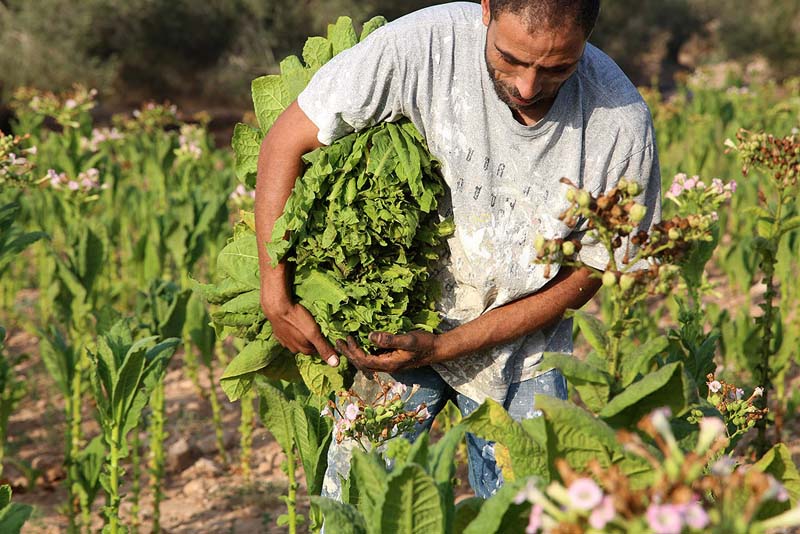
    More than 8,300 tobacco growers in Bulgaria urged the European Commission to assess the economic and social impact of planned revisions to the EU Tobacco Products Directive, warning that new regulations should not harm rural communities or fuel illicit trade. In a video submission to the Commission’s public consultation, growers said decisions made in Brussels could have significant consequences for tobacco-dependent regions across Bulgaria and the EU.

    The appeal comes as the EU prepares a major overhaul of tobacco and nicotine product regulations, with producers calling for detailed impact assessments on farming, employment, local economies, and the wider tobacco value chain before legislative proposals are finalized later this year.