Blog

  • Netherlands Rules Out Disposable Vape, Filter Bans

    Netherlands Rules Out Disposable Vape, Filter Bans

    The Dutch cabinet ruled out introducing a national ban on disposable vapes and cigarette filters, saying legal constraints make such measures unworkable domestically and that regulation should instead be handled at the EU level in the Netherlands.

    In a letter to parliament, ministers cited research showing a filter ban could reduce microplastic pollution without increasing health risks, but argued enforcement would be weak because consumers could easily switch to imports or illicit markets. They also said a national ban on disposable vapes would conflict with EU tobacco rules, despite concerns about environmental damage and fire risks linked to waste processing incidents.

    The cabinet said it will instead push for a Europe-wide ban in Brussels and continue enforcement against illegal vape trade, while flavored vapes are already prohibited in the country.

  • FDA Memo Questions Flavored-Vape Reversal: AP  

    FDA Memo Questions Flavored-Vape Reversal: AP  

    A newly released FDA memo is raising questions about the agency’s watershed authorization of fruit-flavored e-cigarettes after revealing that the products were not significantly more effective at helping smokers quit than tobacco-flavored alternatives, according to the Associated Press. The decision drew criticism from public health groups and Democratic lawmakers, who argue the authorization departs from the agency’s long-standing position that fruit and dessert flavors require a particularly high evidentiary standard because of their appeal to youth.

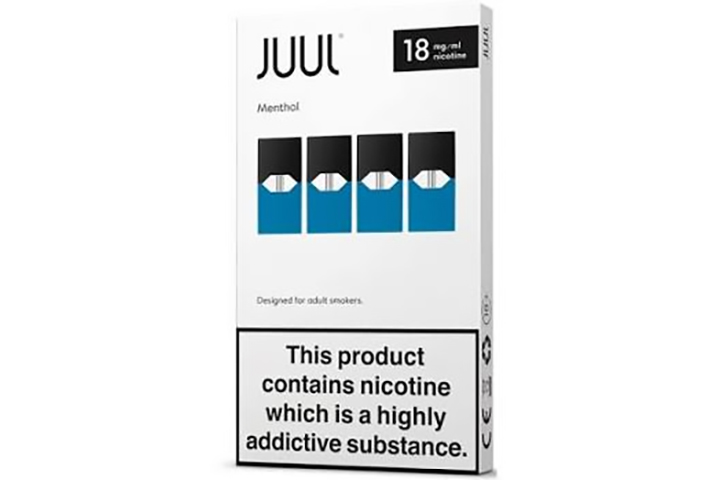
    The six-page document, published weeks after the FDA approved mango- and blueberry-flavored vaping products from Glas Inc., acknowledged that study data showed no statistically significant difference in smoking cessation outcomes between users of the fruit-flavored products and those using tobacco-flavored e-cigarettes. The finding contrasts with previous FDA authorizations of flavored products, including menthol e-cigarettes from Juul Labs and NJOY, which demonstrated measurable benefits over tobacco-flavored products.

    However, the AP said regulators explained that the Glas flavored vapes “did not have to demonstrate added adult benefit,” because young people were unlikely to use them. Glas requires users to unlock each e-cigarette with an age-verifying cellphone app. The memo indicates that FDA regulators instead relied heavily on the company’s age-verification technology, concluding that youth uptake was unlikely because users must unlock devices through a smartphone app.  The approval was finalized shortly before the departure of former FDA Commissioner Marty Makary and comes amid broader scrutiny of the agency’s recent approach to vaping regulation.

  • Nicotine Pouch Use Surging with Young Canadians

    Nicotine Pouch Use Surging with Young Canadians

    New research from the Ontario Tobacco Research Unit suggests nicotine pouch use among young Canadians has surged dramatically, with more than one-third (34.8%) of respondents aged 17 to 27 reporting they had tried the products by 2026, up from 7.6% in 2022. The longitudinal study, which tracks approximately 3,400 young Canadians, found recent use also climbed sharply, with the share of respondents reporting nicotine pouch use in the previous month rising from 1% to 8.5% over the same period. Researchers said the rapid growth was unexpected and noted that only about one-third of pouch users were cigarette smokers, indicating substantial uptake among non-smokers.

    The findings come as debate continues over Canada’s restrictions on nicotine pouches, which were limited to pharmacy sales in 2024. Health advocates cited the study as evidence supporting strict regulation to prevent youth uptake, while industry representatives and some conservative politicians have argued that broader access could help adult smokers switch from cigarettes and reduce illicit market activity. The research also found that 97% of pouch users had previously tried vaping, with use particularly high among males and in Alberta, underscoring concerns that nicotine pouches are emerging as a fast-growing category among younger consumers.

  • Indonesia Customs Seizes 8M Illegal Cigarettes

    Indonesia Customs Seizes 8M Illegal Cigarettes

    Indonesia Customs and police are investigating a smuggling network after seizing 8.3 million illegal cigarettes at the Merak–Bakauheni ferry crossing on June 11, preventing an estimated Rp7.9 billion ($442,000) in state losses. The shipment, valued at Rp12.68 billion ($710,000), included OK BOLD and imported Double Happiness cigarettes concealed under livestock feed on a truck traveling from Java to Sumatra.

    Authorities arrested the truck driver, who has been charged under Indonesia’s Excise Law, and say he has links to prior similar deliveries. Investigators are now working to identify the wider ownership, financing, and supply network behind the operation.

  • Pouch Popularity Forcing Retailers to Reshape the Backbar

    Pouch Popularity Forcing Retailers to Reshape the Backbar

    According to an analysis by industry publication CSStoreDecisions, convenience retailers are increasingly reshaping tobacco and nicotine category strategies as declining cigarette volumes, rapid growth in nicotine pouches, evolving FDA regulations and shifting consumer preferences transform the backbar. While cigarettes remain the category’s primary revenue driver, retailers reported growing segmentation between premium brands and lower-priced fourth-tier offerings as price-sensitive consumers seek value. Meanwhile, oral nicotine pouches continue to be the industry’s strongest growth segment, driven by consumer migration from cigarettes and traditional smokeless products, aggressive promotions, and expanding flavor and strength options.

    Retailers interviewed by the publication said regulatory uncertainty and rapidly changing manufacturer priorities are forcing constant adjustments to shelf space and assortment decisions. Vape sales have stabilized following years of disruption and increased FDA enforcement, while traditional smokeless tobacco continues to face structural declines as its consumer base ages. Industry operators emphasized that success increasingly depends on localized merchandising, compliance, disciplined pricing and balancing established tobacco products with fast-growing modern nicotine alternatives, particularly as consumer behavior becomes more fluid across multiple product categories.

  • PM Italia Fined €7M for ‘Smoke-Free’ Language  

    PM Italia Fined €7M for ‘Smoke-Free’ Language  

    Italy’s competition authority fined Philip Morris Italia €7 million for allegedly misleading consumers through marketing claims related to its smoke-free and non-combustible tobacco products. The regulator said an investigation launched following a complaint from Italy’s Health Ministry found that terms such as “smoke-free,” “smoke-free products,” and references to a “smoke-free future” could lead consumers, including minors, to believe heated tobacco and e-vapor products are harmless or less harmful than conventional cigarettes, despite scientific evidence that does not conclusively support such claims.

    Philip Morris Italia rejected the findings and said it will appeal, arguing that the terminology complies with Italian and European Union regulations and accurately distinguishes products that do not involve combustion from traditional cigarettes.

  • BlackRock Increases Stake in KT&G

    BlackRock Increases Stake in KT&G

    BlackRock announced that it acquired an additional 467,350 shares of KT&G over the past four months, increasing its stake in the Korean company from 5.01% to 6.15%. The move follows a similar investment by Capital Group, which recently raised its holding to 7.21%, helping push foreign ownership of KT&G above 51%. The increased foreign investment reflects confidence in the company’s earnings outlook, supported by strong international tobacco sales and expectations for enhanced shareholder returns.

    KT&G’s overseas cigarette business continues to drive growth, with first-quarter revenue rising 24.6% year-on-year and operating profit increasing 56.1%, aided in part by strategic price increases. The company has also intensified engagement with international investors through roadshows and other investor-relations activities and plans to introduce a new shareholder return policy in the second half of 2026, with stronger dividend payouts expected to be a key feature. KT&G said the rising stakes held by major global asset managers demonstrate confidence in its long-term growth strategy and commitment to delivering industry-leading returns to shareholders.

  • Malaysian Police Want Vape Ban as Devices Used for Drugs

    Malaysian Police Want Vape Ban as Devices Used for Drugs

    Malaysia’s police leadership called for a nationwide ban on e-cigarettes and vaping products after authorities detected a new synthetic drug known as “Piu Piu” in vape liquids. Deputy Inspector-General of Police Ayob Khan Mydin Pitchay said criminal syndicates are increasingly using vape devices to distribute new psychoactive substances, raising concerns about youth uptake and drug abuse. He urged the government and the Health Ministry to consider stronger action, arguing that vaping has become increasingly popular among teenagers and is being exploited as a delivery system for illicit drugs. Police said the Narcotics Crime Investigation Department will continue monitoring vape retailers and conducting inspections to curb the spread of drug-laced products, while maintaining strict enforcement against any officers found colluding with drug trafficking networks.

  • Bangladesh Criticized for Minor Tobacco Tax Increases

    Bangladesh Criticized for Minor Tobacco Tax Increases

    Anti-tobacco groups in Bangladesh criticized the proposed FY2026-27 national budget for failing to impose stronger tobacco tax increases while effectively legalizing nicotine pouches and heated tobacco products by bringing them into the tax framework. In a joint statement, the Bangladesh Anti-Tobacco Alliance and Bangladesh Network for Tobacco Tax Policy argued that the budget’s modest cigarette price increases — particularly a Tk2 ($0.016) rise for low-tier brands, which account for about 75% of sales — would do little to reduce affordability or consumption.

    The groups also expressed concern that prices for bidis, jarda, and gul remain unchanged, warning that the legalization of nicotine pouches and heated tobacco products, combined with limited tax measures on conventional tobacco, could undermine public health objectives and tobacco-control efforts in the country.

  • Illicit Cigarette Market Climbs to 16% in Cyprus

    Illicit Cigarette Market Climbs to 16% in Cyprus

    Illegal cigarette consumption in Cyprus continued to rise in 2025, reaching an estimated 16.3% of total cigarette consumption, according to a new report by KPMG conducted for Philip Morris International. The study found that approximately 160 million illicit cigarettes were consumed in Cyprus during the year, resulting in an estimated €27 million in lost tax revenue, up from €22 million in 2024.

    Across the European Union, illicit cigarette consumption exceeded 10% of total market volume for the first time since 2014, with 41.8 billion illegal cigarettes consumed and an estimated €16.7 billion in lost public revenue. The report also noted that illicit heated tobacco products remain a relatively small segment, accounting for just 1.2% of total consumption.