Category: Agriculture & Sustainability

  • Cuba Boosts Logistical Support for Tobacco Growers

    Cuba Boosts Logistical Support for Tobacco Growers

    Cuba’s state-owned tobacco group, Tabacuba, intensified its support for local growers ahead of the 2025 harvest, deploying new logistics and equipment to improve efficiency and reduce reliance on intermediaries. The group added five new Howo fuel trucks to the six existing vehicles, along with 12 tractors and trailers, aimed at ensuring direct delivery of diesel and materials to farms and facilitating transport from the port of Mariel. Marino Murillo, president of Tabacuba, said these measures are expected to benefit around 7,000 growers, while the first Freely Convertible Currency supply store for tobacco producers was also inaugurated, offering a range of agricultural and hardware products.

    Additional programs include technical support for the cultivation of covered tobacco in Sancti Spíritus, targeting high-quality export crops for about 20 producers. The initiative provides growers with guidance across all stages of production, from seed planting to curing. Previous investments this year included six Mercedes-Benz vehicles for growers, highlighting Tabacuba’s strategy of combining logistical support with incentives to stabilize and encourage tobacco output amid concerns over declining production and its impact on export revenues.

  • ITGA Meeting Focuses on Sustainability, Eyes COP11

    ITGA Meeting Focuses on Sustainability, Eyes COP11

    The International Tobacco Growers’ Association (ITGA) held its Annual General Meeting (AGM) last week, with discussions covering market trends, regulation, and sustainability. Growers expressed concern over oversupply pressures and shrinking profitability, while new analysis from Euromonitor International suggested global leaf tobacco demand will remain stable in the medium term. ITGA stressed that advocacy must start with farmers’ lived experiences, which provide credibility and balance in regulatory debates.

    Looking ahead to COP11, ITGA warned of insufficient agricultural expertise in global policymaking and vowed to press for more inclusive dialogue. The AGM also reaffirmed its commitment to securing a living income for farmers, with ITGA President José Aranda cautioning that ignoring this issue could threaten entire markets.

  • Zambian Chief Summons Officials for Concerns Over Tobacco Farmers

    Zambian Chief Summons Officials for Concerns Over Tobacco Farmers

    Paramount Chief Mpezeni called the Tobacco Board of Zambia and the Eastern Provincial Administration to his palace on September 19, seeking explanations for issues affecting local tobacco farmers. According to the Zambian Observer, many farmers who sold tobacco under contracts with companies such as Haven Tobacco Company and Tobacco Trading Company have either not been paid or had their tobacco uncollected.

    Mpezeni expressed deep concern over the plight of farmers, some of whom are reportedly sleeping in the cold or even in toilets while trying to sell their tobacco in Chipata City. He has urged government representatives and farmers to hold a meeting at Ephendeni Palace to resolve these payment and procurement issues.

  • Tanzanian President Pledges to Strengthen Tobacco Sector in Re-Election Campaign

    Tanzanian President Pledges to Strengthen Tobacco Sector in Re-Election Campaign

    Campaigning in Tabora Region on September 11, Tanzanian President Dr. Samia Suluhu Hassan vowed to strengthen the country’s tobacco sector if reelected, promising expanded subsidies, improved access to farm inputs, and reliable international markets. She cited recent gains, with Urambo District’s tobacco output doubling from 11,208 tons in 2022 to 20,492 tons in 2025, generating $50 million in earnings in the 2024/25 financial year. Samia highlighted government efforts to attract buyers, raise farmer incomes, and secure long-term growth in what she called the region’s main cash crop.

    Addressing concerns from growers, she pledged to resolve delayed payments by some purchasing companies and reiterated that subsidies on fertilizers and inputs will continue under her administration. While pushing for even greater output, she also urged farmers to adopt modern, sustainable curing methods, warning against tree cutting for tobacco drying. Samia framed tobacco as both a national economic driver and a livelihood lifeline for rural communities, positioning her re-election bid as key to unlocking “even more profitable markets” for Tanzanian farmers.

  • Zimbabwe Hits Record Tobacco Output, Faces Climate Risks

    Zimbabwe Hits Record Tobacco Output, Faces Climate Risks

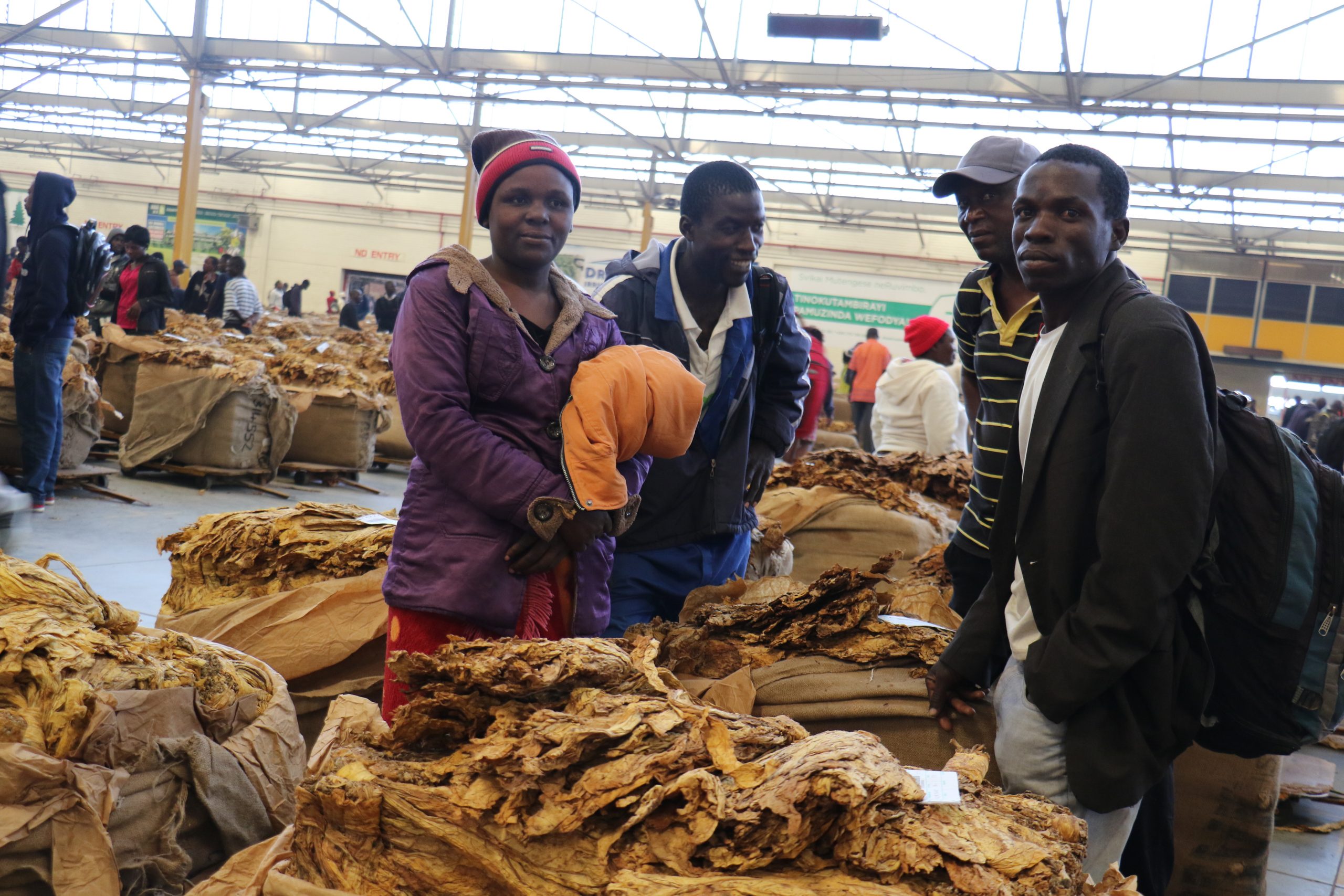
    Zimbabwe closed its 2025 tobacco marketing season with a record 352.7 million kilograms sold, generating $1.2 billion in revenue—a 53% increase from last year, underscoring the crop’s role as the country’s top foreign currency earner.

    Analysts warn, however, that the gains remain fragile. Industry stakeholders are urging investment in dams, irrigation, and climate-smart practices to sustain growth. Without intervention, they say, Zimbabwe’s record output may prove unsustainable in the face of mounting environmental pressures.

    The sector, dominated by smallholder farmers without irrigation infrastructure, is increasingly vulnerable to climate shocks such as last year’s El Niño-induced drought. Tobacco curing also contributes to deforestation, compounding water scarcity challenges.

  • Pakistan Tobacco Board Criticized over Multinational Quota

    Pakistan Tobacco Board Criticized over Multinational Quota

    Leaders of the Ittehad Kashthkaran Khyber Pakhtunkhwa (IKKP) said a multinational tobacco company was instructed by the Pakistan Tobacco Board (PTB) to purchase 1.5 million kg of flue-cured Virginia (FCV) from Swabi growers, guaranteeing a minimum price of Rs743 ($2.60) per kg, according to an article published today by the local e-paper Dawn.

     “An official of a multinational national company said on condition of anonymity that the quota which was given to Philips Morris International (PMI) Pakistan was actually agreed with the Swabi growers under the agreements executed with them as it was purchased by the PMI in Shergar, Mardan district, but the PTB officials bound them to buy the 1.5 million kg tobacco in Swabi,” the article credited to an unnamed correspondent said.

    In the article, IKKP leaders criticized government inaction and PTB policies, urging that remaining tobacco be purchased promptly to prevent financial losses for farmers, who rely heavily on this crop for their yearly income. They said with a large quantity remaining unpurchased, the PTB should also oblige other companies to buy the crop from the farmers on time and give up the policy of declaring the remaining tobacco surplus to be purchased from the farmers at low price.

    “The PTB has not played its due role,” Daud Jan Khan, central vice-chairman of the IKKP, was quoted. “The companies have also left no stone unturned to cause as much financial damage to tobacco growers as they could.”

  • Tanzania Tobacco Farmers Near Tree-Planting Target

    Tanzania Tobacco Farmers Near Tree-Planting Target

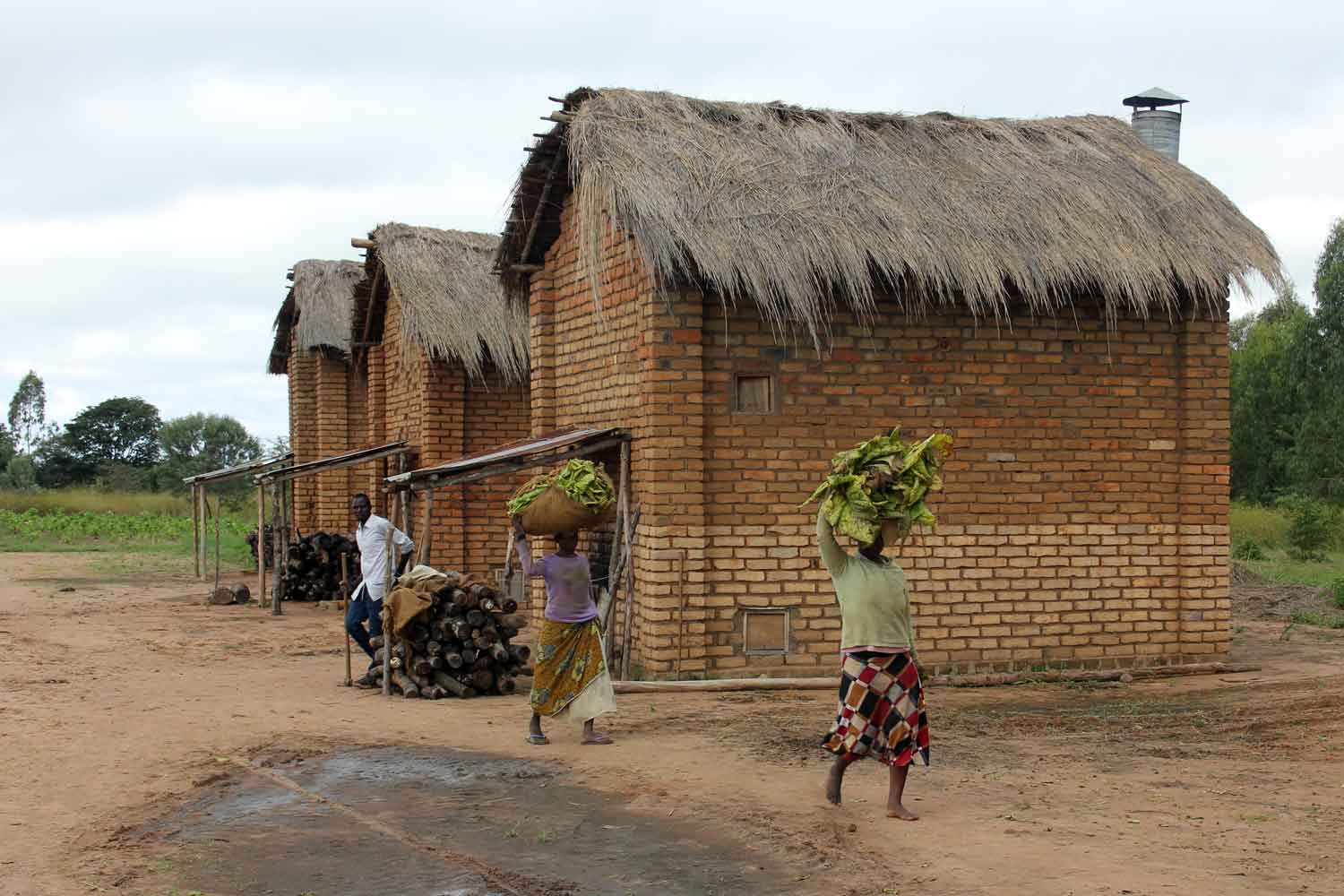
    Tanzania’s tobacco farmers have achieved 97.3% of their three-year tree-planting goal, planting 145 million trees out of the 150 million targeted since 2022, the Tanzania Tobacco Board (TTB) said. TTB Director General Stanley Mnozya said the initiative combats deforestation caused by tobacco curing with firewood, with each farmer required to plant at least 500 trees per hectare. Companies including Japan Tobacco International and Alliance One have supported the effort, contributing 20 million trees.

    The government has also allocated 4 billion shillings ($1.6 million) for modern drying facilities and introduced tobacco seed varieties that can be dried with solar or electricity instead of wood. This season, tobacco output rose to 183 million kilograms worth 1.3 trillion shillings ($520 million), up from 117 million kilograms last season. Tanzania exports up to 97% of its crop annually.

  • Pakistani Tobacco Farmers Need Protection Amid Export Boom

    Pakistani Tobacco Farmers Need Protection Amid Export Boom

    Muhammad Ameen, chairman of Pakistan’s Fair Trade in Tobacco (FTT), called on authorities and the Pakistan Tobacco Board (PTB) to intervene and safeguard smallholder farmers, citing delayed payments and illegal underpricing of crops. He said that continued mishandling of the current crop by the local companies will damage the domestic economy and threaten Pakistan’s credibility as a reliable exporter.

    “Tobacco farmers are being pushed to the brink,” Ameen said. “They are being forced to sell their crop at prices Rs. 200 ($0.70) below the legally mandated weighted average, and the payments they are owed are being delayed. If we allow local crops to be spoiled or go unsold, our international buyers will look elsewhere. We risk losing markets just as we’re beginning to gain ground.”

    Ameen warned that non-compliance with PTB purchase quotas threatens the sector’s backbone, despite a 158% surge in tobacco exports in FY 2024–25, from $64.4 million to $166.5 million.

  • Wilson, N.C., Tobacco Market Opens for 136th Season

    Wilson, N.C., Tobacco Market Opens for 136th Season

    The Wilson, North Carolina, tobacco market opened its 136th season this week with the first bales selling at $1.85 per pound, marking the start of sales at the American Tobacco Exchange and Horizon Limited. Industry leaders said about 75% of U.S. flue-cured tobacco passes through Wilson, cementing its role as the hub of the leaf trade.

    Farmers, buyers, and officials gathered to celebrate the tradition, with U.S. Rep. Don Davis praising tobacco’s impact on eastern North Carolina. “The opening of this market has withstood year after year longer than any of us that are standing here,” Davis said, highlighting the crop’s role in feeding families and funding education.

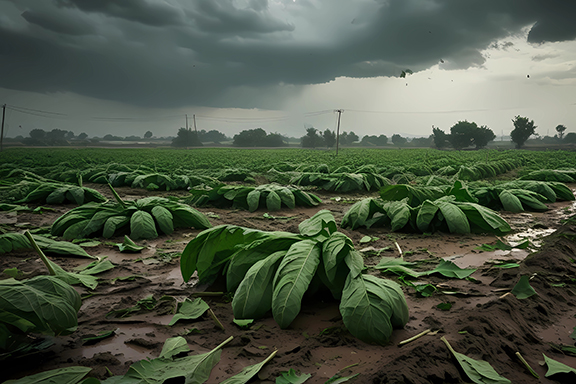
    Buyers described this year’s crop as strong, with “large, meaty lugs” and solid early demand. Despite concerns over heavy rains in some areas, growers and industry figures said the turnout showed continued enthusiasm for a market that remains “the heart and core” of the region’s economy.

  • Zimbabwe: Push for Local Participation, More Tobacco Processing

    Zimbabwe: Push for Local Participation, More Tobacco Processing

    Industry experts are calling for a more inclusive and diversified tobacco sector in Zimbabwe, urging greater opportunities for small-scale indigenous players in value addition and exports.

    Speaking at the 2025 Tobacco Conference, Mutandwa Mutasa, from the Zimbabwe Progressive Tobacco Farmers Association, said the industry remains dominated by foreign companies, with locals largely excluded from lucrative processing and manufacturing stages. He proposed measures including indigenous export quotas, government-backed production guarantees, and mandatory sourcing of tobacco volumes through local companies. Mutasa also called for more indigenous professionals in key industry roles.

    While land reform has expanded primary production to nearly 150,000 farmers, 90% of Zimbabwe’s tobacco is still exported semi-processed, with most profits captured abroad. Experts say a strong indigenization roadmap is needed to secure a larger share of the value chain for local players.