

Tobacco growers and traders in Pakistan called on the government to halt Federal Board of Revenue raids and reduce what they describe as unjust taxes during a convention held in Swabi yesterday (May 4). Participants alleged harassment during enforcement actions and demanded the withdrawal of law enforcement personnel from tobacco processing units, while also calling for interest-free loans and more supportive policies for farmers. Representatives from multiple political parties attended the gathering, where participants also discussed potential actions, including blocking a major motorway, to press their demands.
Category: Agriculture & Sustainability
-
CORESTA Hosting Tobacco Plant Breeding Webinar June 24
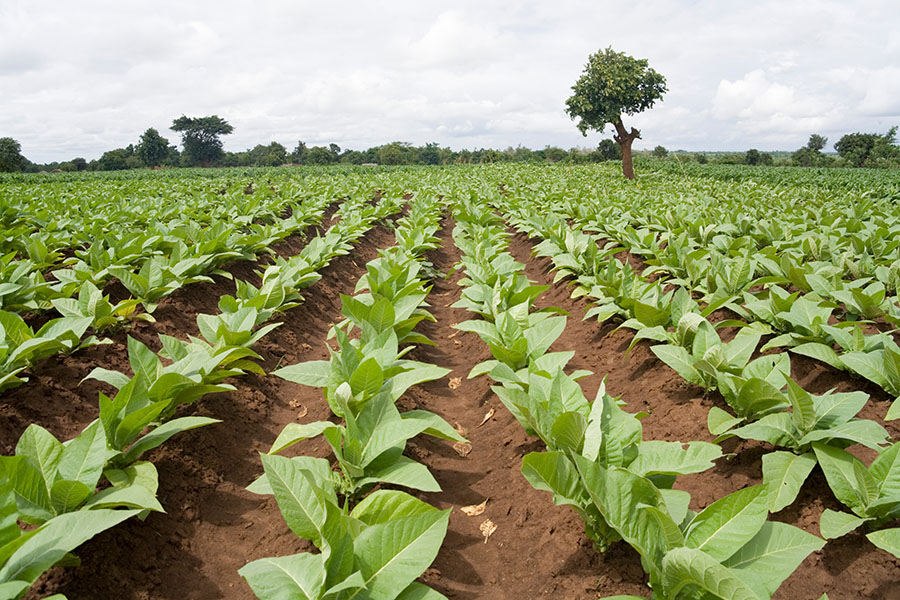
CORESTA announced that it is hosting a tobacco plant breeding webinar on June 24 from 1 p.m. to 2:30 p.m. CET, moderated by Mitchell Richmond, a professor and extension specialist from the University of Tennessee.
The webinar will provide an overview of plant breeding, focusing on how new tobacco varieties are developed. According to CORESTA, it will cover basic terminology, key methods, and the timelines involved, along with the importance of understanding crop characteristics such as growth, disease risks, and end use. The session also explains how new varieties are tested in the field, including how trial design changes depending on the type of tobacco and stage of development, building on concepts introduced in a previous webinar on tobacco field research. Click here to register.
-

Malawi Tobacco Market Rocked by Widespread Rejections
Malawi’s 2026 tobacco marketing season opened with severe disruption, as growers report rejection rates as high as 96–100% at auction floors, driven by a widening gap between global supply and demand, according to The Nyasa Times. Officials say excess production has forced buyers to tighten purchasing volumes and quality standards, leaving many farmers unable to sell their crop, and raising concerns over income loss and loan repayment.
The Tobacco Commission launched urgent talks with buyers and industry stakeholders to stabilize the market and improve uptake, as the situation threatens broader economic impacts. With tobacco remaining Malawi’s top foreign exchange earner, sustained disruptions could affect national revenue and economic stability if rejection rates persist.
-

Philippines’ NTA Addressing Tobacco Market Pressures
The National Tobacco Administration (NTA) convened stakeholders in Ilocos Norte to address mounting challenges in the tobacco sector, including falling farmgate prices, oversupply, and ongoing smuggling. The meeting brought together local governments, traders, and farmer groups to assess market conditions and explore coordinated responses as global and domestic supply pressures weigh on pricing and demand.
Officials highlighted a sharp drop in leaf prices—from over ₱100 ($1.60) per kilo to around ₱75 ($1.20)—along with rising production costs and delayed support funding. Farmers also pointed to difficulties in selling uncontracted crops amid excess supply both locally and globally. In response, the NTA is pushing for expanded contract-growing arrangements and crop diversification strategies, while stakeholders are committed to improving coordination and market access to stabilize the sector.
-
Malawi Faces Oversupply as Tobacco Season Opens
Malawi’s 2026 tobacco marketing season has opened with a significant supply-demand imbalance, as production is projected at 197 million kg against buyer demand of just 170 million kg, leaving a surplus of about 27 million kg. Early signs at auction floors point to slow uptake, with less than half of delivered bales initially put up for sale, raising concerns over stock build-up.
Industry participants say the gap reflects weaker global demand and excess supply, with buyers holding greater leverage and some still carrying unsold inventory from the previous season. Major buyers, including JTI Leaf, Alliance One, and Limbe Leaf, are collectively targeting volumes well below expected output, highlighting a shortage of purchasing capacity.
The imbalance is expected to put downward pressure on prices and farmer incomes, following a similar pattern last year when oversupply led to price declines. With tobacco remaining a key source of export earnings, officials have urged fair pricing, though market conditions remain driven by the excess supply and limited buyer demand.
-
Zimbabwe Assures Farmers Record Tobacco Crop Has Buyers
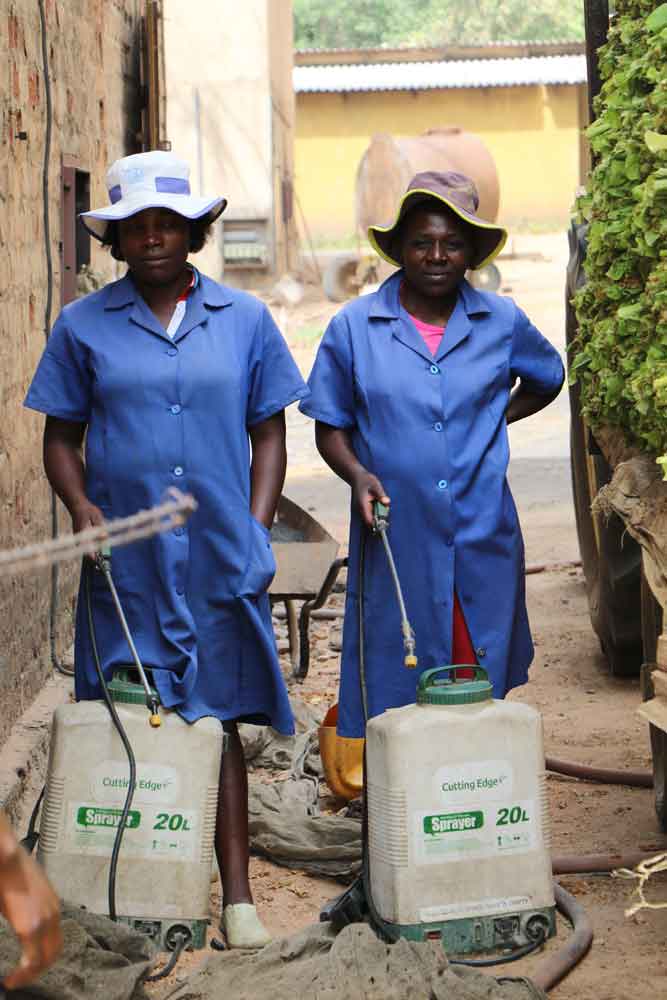
Zimbabwe’s Tobacco Industry and Marketing Board (TIMB) guaranteed that the country’s projected record tobacco harvest projected to top 400 million kg will be fully absorbed by buyers, easing concerns over a global supply glut. International and domestic merchants have already committed to purchase the bulk of the crop, with authorities aiming to prevent a repeat of market disruptions seen in other producing countries where oversupply led to price collapses.
Despite strong volumes, global demand has softened following post-pandemic stock rebuilding by cigarette manufacturers, contributing to an estimated 18% drop in prices. However, officials say emerging markets and potential future supply risks could support demand and pricing later in the season.
-

Malawi Tobacco Has Record Earnings Despite Falling Prices
Malawi’s tobacco sector generated a record $540 million in 2025, driven by a sharp 66% increase in export volumes to 221,000 tons, according to Telephorus Chigwenembe, spokesperson for the Tobacco Commission. The volume offset a decline in average prices to $2.45 per kilogram from $2.98 a year earlier, as tobacco remains a key contributor to the economy, accounting for roughly half of foreign exchange earnings.
Looking ahead, the 2026 season is expected to face pressure, with production forecast at 197,000 tons against demand of about 170,000 tons. The supply-demand imbalance is likely to weigh further on prices, raising concerns over revenue stability in a sector critical to Malawi’s economic outlook.
-
Zimbabwe Tobacco Sales Surging After Slow Start
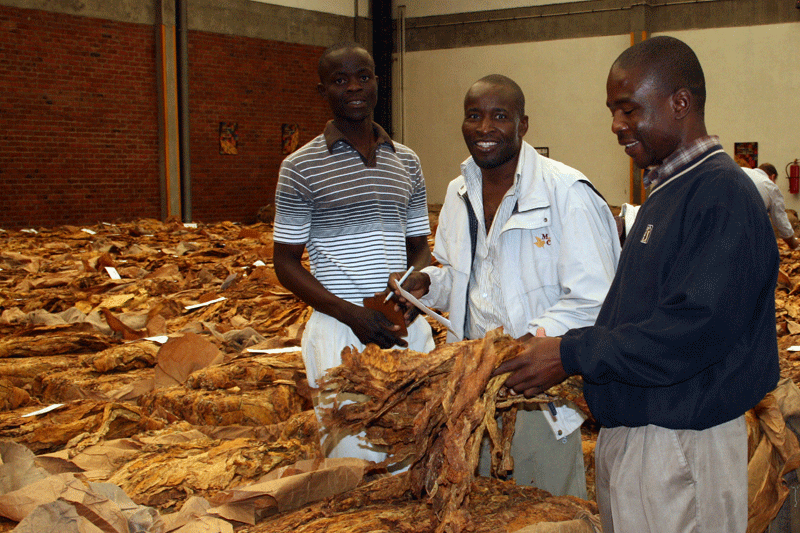
Tobacco sales in Zimbabwe surpassed $310 million as marketing season deliveries accelerate following a rocky start. Volumes rose sharply to nearly 115 million kilograms compared to 67.6 million kgs a year earlier, despite light buying during the first two weeks of the season as buyers were slow to secure financing. The increase reflects stronger farmer participation and higher output, with most sales occurring through contract arrangements rather than auction floors.
Despite the surge in volumes, average prices have declined to $2.70 per kg from $3.47 last year, indicating softer market conditions. Higher rejection rates also point to ongoing quality issues, though overall earnings have increased due to the significant rise in production and deliveries.
-

Pyxus Named Supplier Engagement Leader by CDP
Pyxus International, Inc. announced that it has been named a Supplier Engagement Leader by CDP for the third consecutive year, earning an “A” rating on CDP’s Supplier Engagement Assessment Leaderboard. The recognition places Pyxus among the top tier of global companies for its work engaging contracted growers and suppliers on climate action across its value chain.
CDP’s assessment evaluates governance, emissions-reduction targets, Scope 3 emissions management, and value-chain engagement as part of its annual climate disclosure process. Pyxus said the designation reflects its ongoing efforts to work with growers to improve environmental performance, strengthen supply chain resilience, and deliver measurable emissions reductions through supplier education and shared accountability.
-

Pakistani Tobacco Growers Raise Tax, Pricing Concerns
A delegation from Pakistan’s Khyber Pakhtunkhwa Tobacco Action Committee met Faisal Karim Kundi in Islamabad to highlight challenges facing growers across Charsadda, Mardan, Swabi, Nowshera, Buner, and Mansehra, citing rising taxes and low tobacco prices. The group said current policies threaten livelihoods despite tobacco contributing more than Rs 3.25 billion ($11.7 million) annually to the provincial economy. The Governor voiced support for farmers and proposed forming a joint committee including growers, the Federal Board of Revenue, Customs, and the Pakistan Tobacco Board to address the issues through consultation.