

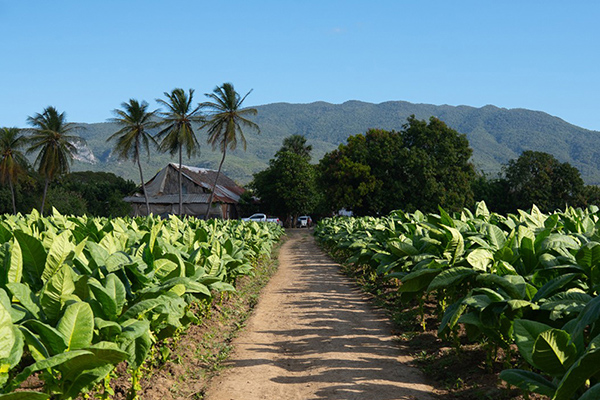
The Dominican Republic’s tobacco industry generated more than $1.3 billion in export revenue in 2025, reinforcing its position as one of the country’s leading export sectors. According to Iván Hernández Guzmán, director of the Dominican Tobacco Institute, the industry supports more than 122,000 direct jobs and includes 130 tobacco-related companies operating in free trade zones. Tobacco exports have increased 41% since 2019, while employment has grown 26%, driven by government support programs such as technical assistance, seed distribution, pest control, and international promotion. Tobacco remains the Dominican Republic’s third-largest export, behind gold and medical devices.
Category: Agriculture & Sustainability
-

Pakistani Growers Reject Move to Scrap Price Mechanism
Tobacco growers in Pakistan have urged the federal Ministry of National Food Security to consult farmers before abolishing the weighted average price (WAP) mechanism used to determine the minimum indicative price (MIP) for tobacco. Speaking at a press conference in Swabi, growers and industry representatives argued that the government had presented misleading figures to the federal cabinet, overstating farmers’ profits to justify proposed amendments to the Tobacco Marketing Rules, 2016, and Martial Law Order 487.
Former Pakistan Tobacco Board director Muhammad Ayaz Khan said rising production costs, lower yields caused by adverse weather, and reduced purchases by tobacco companies meant growers earned only marginal profits during the 2024-25 season. Farmer representatives also said many growers remain burdened with debt after companies declined to purchase lower-grade tobacco and called on the government to conduct an independent survey before making changes to the pricing system.
-
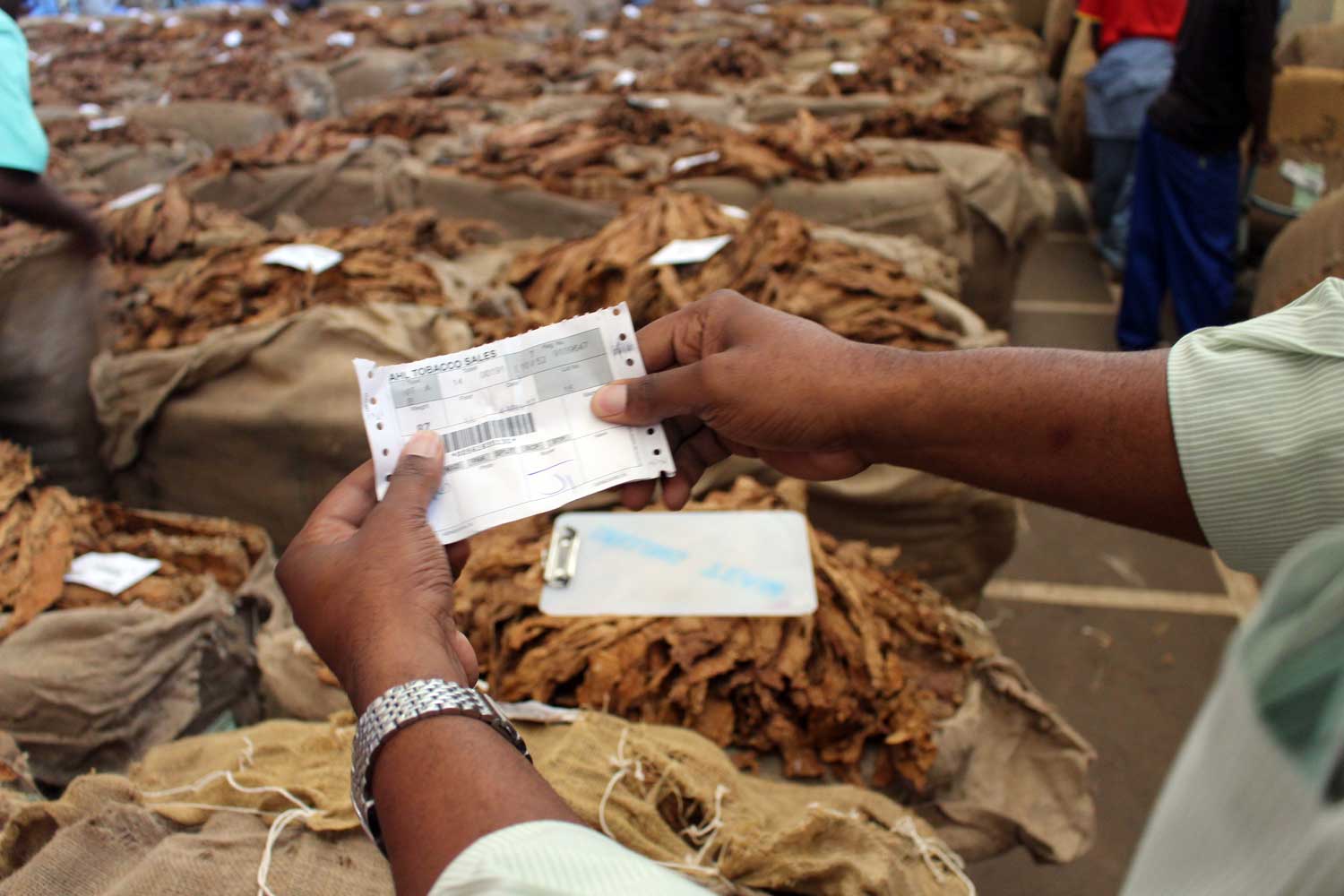
Malawi’s Tobacco Revenue Down 31% Through Nine Weeks
Malawi’s 2026 tobacco marketing season generated K258.5 billion ($149 million) in sales during its first nine weeks, with farmers selling 71.8 million kg of tobacco at an average price of $2.07 per kg between April 20 and June 19, according to official market data. The performance, however, remains below 2025 levels, when 86.5 million kg were sold at an average price of $2.48 per kg, leaving a 30.7% loss in revenue from a year ago.
Market conditions improved as the season progressed, with rejection rates at auction floors falling from more than 90% early in the season to around 60%-62% since week seven. Overall market uptake reached 96%, reflecting strong buyer demand for acceptable-quality leaf. However, auction sales accounted for just 39.4% of total transactions, underscoring the growing importance of contract farming in Malawi’s tobacco sector. While improved uptake and lower rejection rates have supported market efficiency, weaker global prices and reduced crop volumes continue to weigh on farmer revenues.
-

Philippine NTA Helping Tobacco Farmers Diversify
The Philippines’ National Tobacco Administration (NTA) is expanding efforts to diversify income sources for tobacco-growing communities through livelihood and entrepreneurship training programs. NTA-Isabela, in partnership with the Isabela School of Arts and Trades-TESDA, conducted food-processing training for 30 tobacco farmers and family members in Ilagan City, teaching participants how to produce value-added products such as kimchi and pichi-pichi.
The training was carried out under the Farmers Organization and Development Program (FODP) and forms part of the government’s broader rural development agenda aimed at improving household incomes and reducing reliance on a single crop. NTA officials said the initiative is designed to help farmers develop alternative income streams, encourage small-scale enterprise creation, and strengthen economic resilience amid changing agricultural and market conditions.
-

Philippine Tobacco Growers Warn of Oversupply Risk
Philippine tobacco growers are expressing concern over a potential supply glut after strong leaf prices last year encouraged farmers to expand planting, raising fears of a market downturn. Philippine Tobacco Growers’ Association President Saturnino Distor said non-government organizations and local officials have been urging farmers to increase tobacco cultivation, but cautioned that favorable pricing conditions are unlikely to be repeated amid rising global production. He noted that major producer Malawi has significantly increased output in response to last year’s high prices, potentially flooding international markets and putting downward pressure on leaf prices.
The National Tobacco Administration (NTA) warned that oversupply conditions could persist for two to three years and is preparing information campaigns to discourage excessive production and help protect farmers from a possible price collapse. NTA Deputy Administrator for Operations Nestor Casela said buyers have signaled reluctance to purchase additional leaf while surplus inventories remain in the market. The regulator indicated that oversupply concerns are concentrated in Virginia tobacco, while demand for Burley and native tobacco remains relatively stable. For 2026, the NTA forecasts national tobacco production of about 51 million kg, including approximately 20 million kg of Virginia tobacco, and has set buying prices of up to P98 ($1.57) per kg for higher-grade leaf and P62 ($0.99) per kg for lower-grade and rejected tobacco.
-

Philippines Urges Early Tobacco Planting Amid El Niño Threat
The Philippines’ National Tobacco Administration (NTA) is urging farmers to begin planting tobacco earlier than usual to reduce the potential impact of an anticipated El Niño-induced dry spell, while maintaining its forecast for stable tobacco production in the 2025-2026 crop year. NTA Administrator Belinda Sanchez said the agency expects total tobacco output to reach about 51 million kg, including approximately 20 million kg of Virginia tobacco, broadly in line with last year’s levels.
To help crops avoid peak summer dryness, the NTA is advising farmers to complete planting by mid-December rather than extending activities through the end of the month. Deputy Administrator Nestor Casela said earlier that planting would allow crops to benefit from existing soil moisture and improve their chances of surviving prolonged dry conditions. The agency has also prepared contingency support through its risk management and contract-growing programs for farmers affected by weather-related losses. Despite climate concerns, the NTA said market conditions remain favorable, with surplus inventories from the previous harvest largely absorbed by buyers. Trading of Virginia tobacco is expected to continue through the end of the month, supported by demand from major cigarette manufacturers including Japan Tobacco International and Philip Morris International, which source leaf through wholesale dealers such as Universal Leaf and Trans Manila Inc.
-
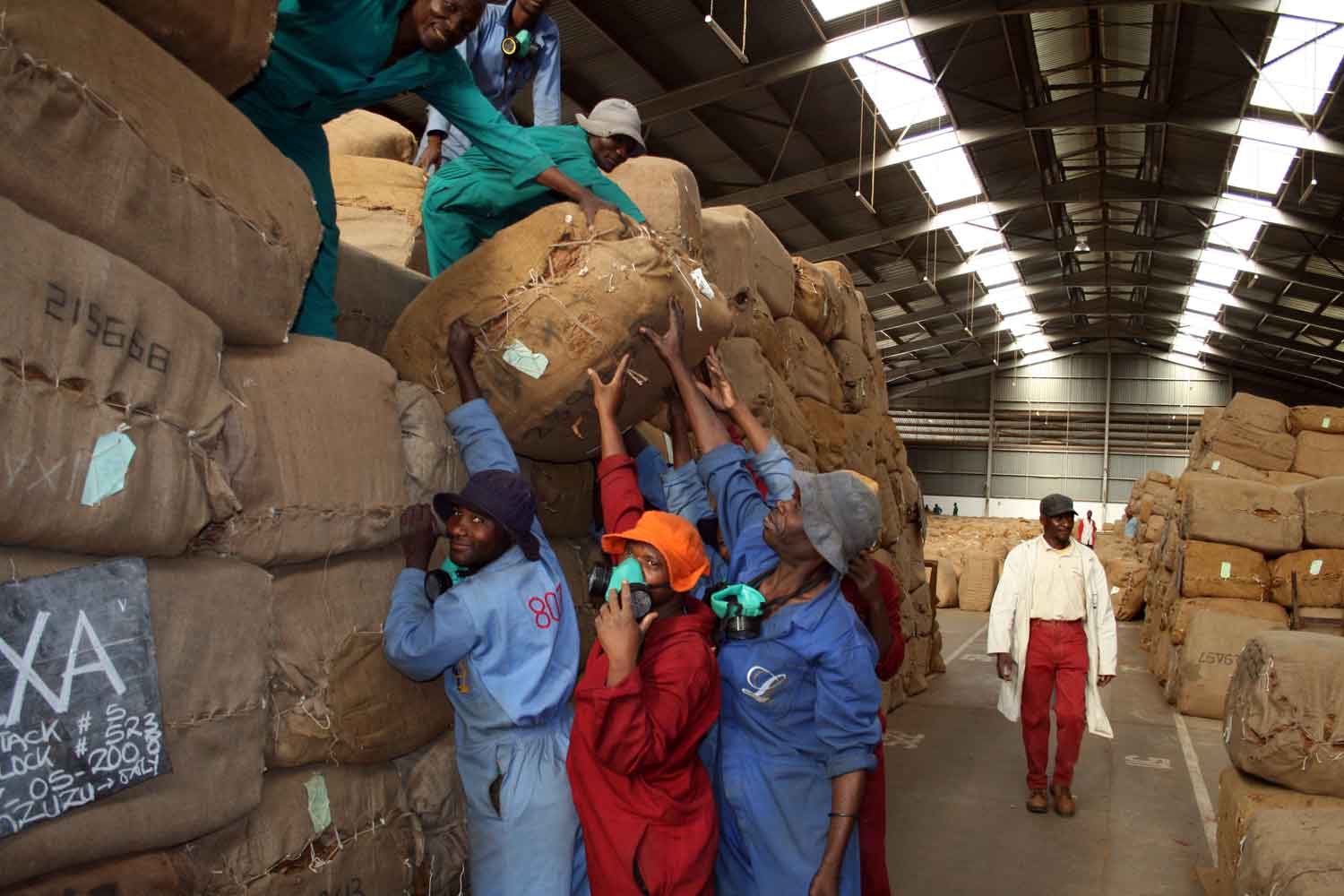
Malawi’s Tobacco Sales Drop 28% in First Eight Weeks
Malawi’s tobacco industry generated MK223.4 billion ($129.6 million) in sales during the first eight weeks of the 2026 marketing season, according to the Tobacco Commission. A total of 62.1 million kg of tobacco was sold at an average price of MK3,588 ($2.08) per kg.
The Tobacco Commission said market performance remained stable despite lower volumes and earnings compared with the same period in 2025, when 72.7 million kg were sold for MK309.3 billion ($179 million), marking a nearly 15% reduction in volume and 28% reduction in earnings.
By week eight, the overall rejection rate across auction and contract sales stood at 5.5%. Contract burley tobacco recorded a rejection rate of 2.8%, while auction burley rejection reached 64%.
-

Zimbabwe Cracking Down on Fake Tobacco Seed
Zimbabwe intensified enforcement against counterfeit and illegally imported tobacco seed as farmers establish seedbeds for the 2026/27 season following the opening of the tobacco planting window on June 1. Agriculture Permanent Secretary Obert Jiri described the distribution of fake seed as “agro-terrorism,” warning that it threatens crop productivity, farmer incomes, and the integrity of Zimbabwe’s tobacco industry. He said the country produces sufficient tobacco seed locally through the Tobacco Research Board and licensed seed companies and has no need for unauthorized imports.
Authorities warned that individuals found importing or distributing unapproved tobacco seed varieties could face legal action. Kutsaga Research CEO Frank Magama said Zimbabwe’s certified seed system is based on extensive testing and breeding programs designed to deliver high yields, leaf quality, and disease tolerance under local growing conditions.
-

N.C. Politicians Call for Relief for Tobacco Farmers
Members of North Carolina’s congressional delegation, led by Representative Don Davis (D-NC1) and Senator Thom Tillis (R), urged congressional appropriators to include tobacco producers in any future agricultural disaster relief package. The lawmakers cited an analysis from North Carolina State University showing tobacco production costs rose about 30% between 2021 and 2025, from $4,148 per acre to $5,398 per acre, compared with an 18% increase across U.S. agriculture overall.
The letter argues that rising input and labor costs, weakened export demand, drought conditions, and lower commodity prices have placed significant financial pressure on tobacco growers and should be considered when determining eligibility for future farm assistance programs.
-

Kentucky Tobacco Farm Gets DOL Reprieve Over Visa Enforcement
Triple R Farms, a tobacco farm in Kentucky, obtained a pause in Department of Labor administrative proceedings while the U.S. Supreme Court considers broader questions about federal agencies’ use of in-house administrative law judges (ALJs). The case stems from allegations that the farm violated H-2A temporary agricultural worker program requirements involving wages, recordkeeping, and worker housing, with the Labor Department seeking roughly $70,000 in penalties.
Triple R Farms argues that the government cannot impose such penalties through an administrative proceeding and that the case should instead be heard in an Article III federal court before a jury. The dispute is part of a wider wave of legal challenges to federal agency enforcement powers following recent court rulings that have increased scrutiny of administrative adjudication systems used by regulators.