Blog

  • PMI to Launch VEEV E-Vapor Product in South Korea

    PMI to Launch VEEV E-Vapor Product in South Korea

    Philip Morris Korea announced that it will launch its VEEV e-vapor product in South Korea on Aug. 26 as the company expands its smoke-free portfolio in the country. KT&G currently leads South Korea’s non-combustible tobacco segment with a 48% market share, followed by Philip Morris and British American Tobacco.

    Philip Morris International said 42% of its $11 billion in second-quarter revenue came from smoke-free products. The company has invested 22.5 trillion won ($16 billion) in research and development for smoke-free products since 2008 and is targeting a two-thirds share of sales from smoke-free products by 2030.

    PMI Korea consumer experience director Kim Tae-hyung said the company ultimately aims to replace combustible cigarettes with smoke-free products.

  • New Zealand Tobacco Sales Fall More Than 20%

    New Zealand Tobacco Sales Fall More Than 20%

    Tobacco sales in New Zealand fell by more than 20% year over year in 2025, with the volume sold now less than half its level a decade ago, Associate Health Minister Casey Costello said.

    Annual tobacco returns show the volume of tobacco sold has fallen by two-thirds since 2010, while cigarette sales per capita have dropped nearly 80%, trends that correspond with declining smoking rates. Costello said, however, that the sharper decline in legal tobacco sales in recent years could partly reflect increased availability of black-market cigarettes rather than an equivalent decline in smoking.

    The government is focusing on disrupting illegal tobacco sales, preventing youth smoking, and helping smokers quit. Costello also said that measures introduced a year ago to ban disposable vapes, restrict product displays, and increase penalties for underage tobacco and vape sales have been accompanied by increased enforcement activity.

  • PMI Launches Airport-Exclusive IQOS

    PMI Launches Airport-Exclusive IQOS

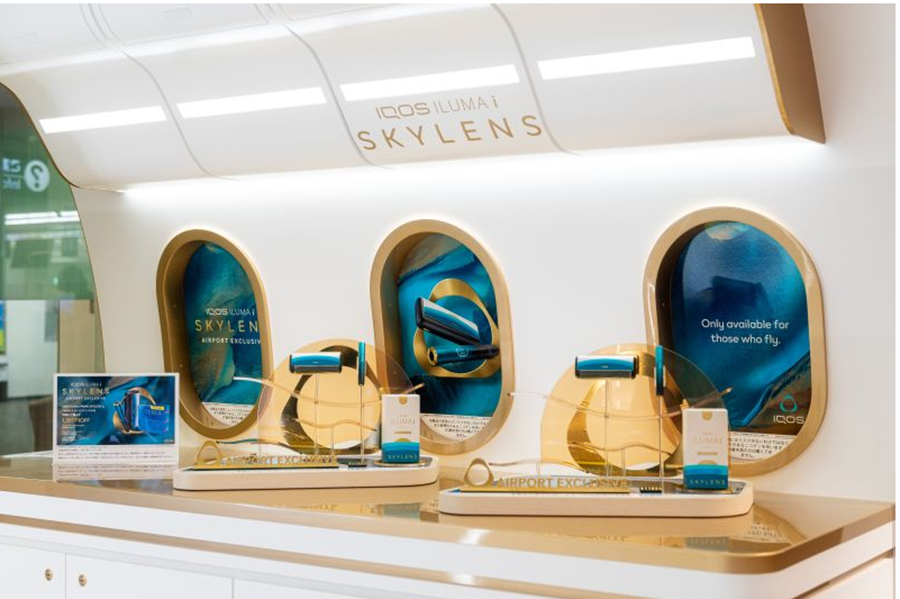
    Philip Morris International launched a limited-edition IQOS ILUMA i Prime Skylens, its first device created exclusively for airport travel retail. Inspired by aviation and the “above the clouds” experience, the premium device features a metallic blue design and is being introduced through activations at selected duty-free locations.

    The launch debuted at Tokyo’s Narita International Airport with a pop-up featuring product discovery, augmented reality, and a lounge-style environment. PMI has since expanded Skylens to selected airports across Europe, including Germany, Italy, Spain, Greece, Switzerland, and Serbia, as well as South Korea, Qatar, Saudi Arabia, Egypt, Morocco, Lebanon, and Malaysia.

    Beste Ermaner, PMI’s vice president of global travel retail, said the initiative is designed to make smoke-free products more accessible to adult smokers in travel environments. PMI said IQOS is used by more than 35 million adults worldwide who would otherwise continue to smoke.

  • AIR Global Reports 3.7% Increase Despite Strait of Hormuz Disruption

    AIR Global Reports 3.7% Increase Despite Strait of Hormuz Disruption

    AIR Global PLC reported first-half revenue of $206.9 million, up 3.7% from a year earlier, while adjusted EBITDA was essentially unchanged at $71.7 million. The flavored shisha molasses company, which listed on Nasdaq in May, said performance was affected by supply-chain disruptions following the closure of the Strait of Hormuz, through which about 70% of its historical shipment volumes had traveled. FSM shipment volumes fell 9%, although volumes recovered after a 38.6% decline in March and returned to growth in June.

    AIR posted a net loss of $81.8 million, compared with a profit of $32 million in the first half of 2025. The loss included $48.2 million in listing-related equity expenses, $47.7 million in IPO-related cash costs, $12.4 million in share-based compensation, and $3.8 million in supply-chain disruption costs. Higher logistics and raw-material costs also pressured results.

    For 2026, AIR expects revenue growth of 4% to 6%, stable shipment volumes and low- to mid-single-digit adjusted EBITDA growth. The company said higher logistics and raw-material costs, accelerated factory footprint changes and incremental public-company expenses will weigh on earnings. Over the medium term, AIR expects low-single-digit organic FSM volume growth, mid-single-digit revenue growth and high-single-digit adjusted EBITDA growth.

  • China, Australia Bust $64M Tobacco Syndicate

    China, Australia Bust $64M Tobacco Syndicate

    Australian and Chinese authorities worked to dismantle an international syndicate accused of shipping illegal tobacco into Australia, with more than 60 people arrested in China. The Australian Border Force said the syndicate shipped more than 90 containers of tobacco to Australia between January and May. Authorities seized more than 60 million cigarettes and 60 kilograms of loose-leaf tobacco, with the tobacco valued at more than A$92 million ($64.4 million) based on the taxes allegedly evaded. Chinese authorities said the tobacco was likely manufactured and moved through Southeast Asia before being concealed in legitimate cargo bound for Australia.

    Ninety-one of the 112 containers flagged by Chinese authorities were found to contain illegal tobacco. Shipments left Shanghai concealed among goods including printers and lamps and largely arrived at Sydney port.

    Australia has experienced a sharp increase in illicit tobacco consumption in recent years. The Australian Bureau of Statistics estimates that 80% of tobacco and other nicotine products consumed in the country are now illicit, compared with 12% in 2017.

  • Russia Expands Criminal Penalties for Illicit Vape Imports

    Russia Expands Criminal Penalties for Illicit Vape Imports

    Russia added e-cigarettes, electronic smoking devices, vape liquids, and nicotine salts, along with wine, beer, and alcoholic cider, to a list of goods subject to tougher criminal penalties for illegal cross-border movement, effective today (Aug. 20).

    People found illegally moving the newly listed products across Russia’s customs border or its state borders with other Eurasian Economic Union members could face up to five years in prison when shipments are valued at more than 100,000 rubles ($1,200), provided all elements of the offense are met. Previously, some such violations were generally handled administratively through fines or compulsory labor.

    The measure expands a 2022 crackdown that designated hard liquor and tobacco products as strategic goods.

  • Sri Lanka Cigarette Production Falls 32% as Tobacco Taxes Rise

    Sri Lanka Cigarette Production Falls 32% as Tobacco Taxes Rise

    Cigarette production in Sri Lanka fell 32% from 2.8 billion sticks in 2022 to 1.9 billion in 2025 following successive increases in tobacco taxes, Deputy Minister of Economic Development Nishantha Jayaweera told Parliament today (Aug. 20), according to The Morning.

    Excise duties on cigarettes have increased four times since 2023, including increases of 20% in January and July 2023, 14% in January 2024 and 5.9% in January 2025. The government also raised VAT from 15% to 18% in January 2024 and corporate income tax from 40% to 45% in April 2025. Current cigarette excise duties range from 26.59 to 109.95 Sri Lankan rupees ($0.08 to $0.33) per cigarette, based on cigarette length.

    Jayaweera said the tax policy is intended to increase government revenue while reducing healthcare costs and other socioeconomic impacts associated with tobacco use. He said higher tobacco taxes have contributed to gradual increases in direct and indirect tax revenue while supporting public-health objectives.

  • UAE Vape Tax to Raise Prices in September

    UAE Vape Tax to Raise Prices in September

    The UAE will introduce a minimum excise price of Dh1 ($0.27) per milliliter for e-cigarette and vape liquids on Sept. 1, with the existing 100% excise rate applied to the higher taxable value. A 60ml bottle retailing for Dh40 ($10.80), for example, will be taxed as if it were priced at Dh60 ($16.20).

    Doctors and vapers told The National the higher prices could discourage vaping among young people and prompt some existing users to cut consumption or quit. Retailers, however, warned that a wider price gap between legal and unofficial products could encourage consumers to turn to unregulated sellers.

    The UAE already applies a 100% excise tax to vaping and e-cigarette liquids. The new minimum-price mechanism comes as other countries introduce or tighten vape taxes, including the U.K., which will implement a dedicated levy in October.

  • Ireland’s HSE Warns of Risks from Unregulated Vapes

    Ireland’s HSE Warns of Risks from Unregulated Vapes

    Ireland’s Health Service Executive (HSE) warned that a lack of regulation of vapes and edibles is putting consumers, particularly teenagers, at risk after high-risk synthetic cannabinoids were detected in products sold in the country. Testing by the HSE’s Emerging Drug Trends laboratory found synthetic or semisynthetic cannabinoids in some nicotine and CBD products that had been tampered with. Of 76 vapes tested, 28 contained HHC, a semisynthetic cannabinoid banned in Ireland last year. Acetate was detected in 13% of tested vapes and, when combined with synthetic or semisynthetic cannabinoids, has been associated with lung damage.

    The HSE said large-scale testing would require a significant budget and called for the HSE, Department of Health, Food Safety Authority of Ireland and other stakeholders to establish a regulatory framework. Current testing largely relies on samples collected through festivals, addiction services and hospitals, while forensic laboratory testing can take six to eight months.

  • Trump Taps White House Policy Aide Heidi Overton to Lead FDA

    Trump Taps White House Policy Aide Heidi Overton to Lead FDA

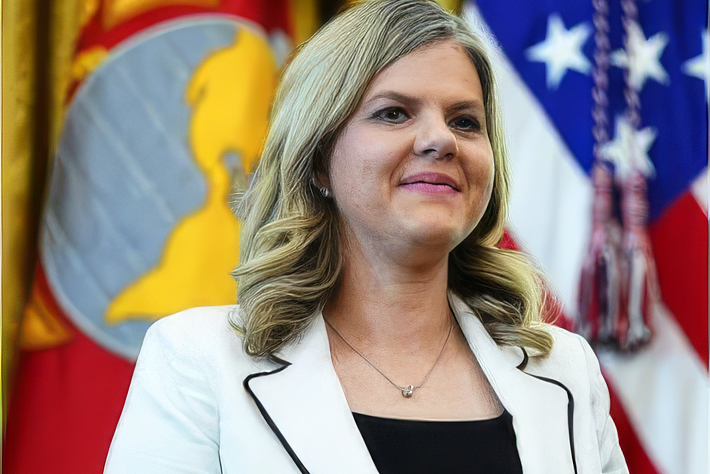
    According to a Bloomberg report, President Donald Trump has chosen White House policy aide Heidi Overton to lead the Food and Drug Administration, according to a person familiar with the matter. Overton is deputy assistant to the president for domestic policy, where she works on health issues, and previously worked at the America First Policy Institute. She is a medical doctor with a doctorate in clinical investigation from Johns Hopkins University and served as a White House fellow during Trump’s first administration.

    Overton would take over an agency that has experienced significant leadership turnover and internal turmoil. Former FDA Commissioner Marty Makary resigned in May after 13 months in the position, followed by the departures of several senior officials. The new commissioner will also face Senate confirmation under Health Committee Chair Bill Cassidy, R-La., who has clashed with both Trump and Health Secretary Robert F. Kennedy Jr.

    Overton and the White House had not immediately commented on the reported selection.