Tag: CTP

  • CTP Reports Progress on Reagan-Udall Review

    CTP Reports Progress on Reagan-Udall Review

    Image: Tobacco Reporter archive

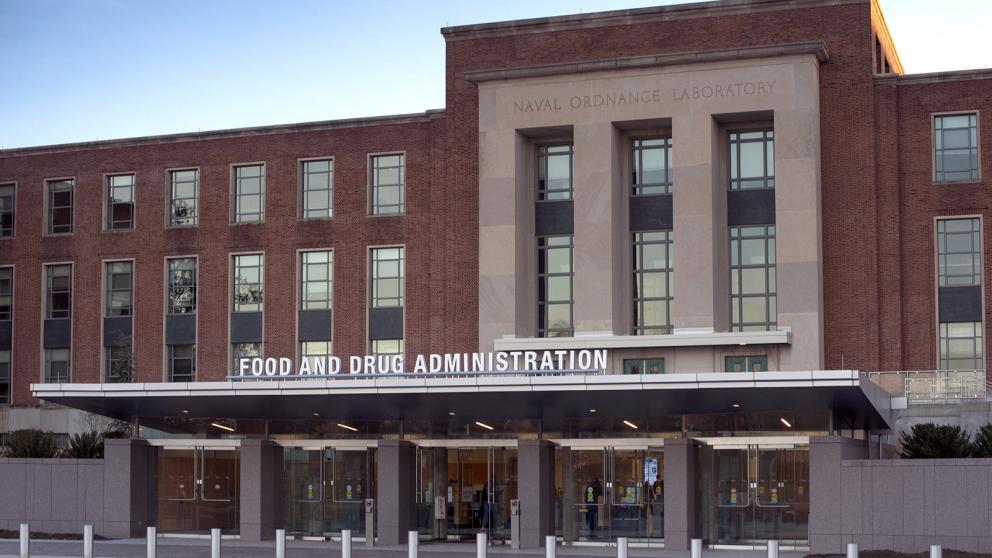
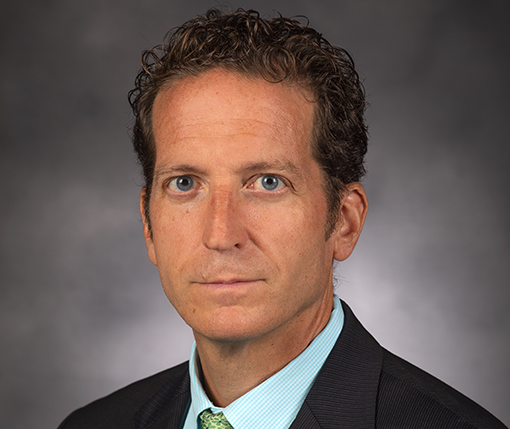
    Brian King, director of U.S. Food and Drug Administration’s Center for Tobacco Products (CTP), published a statement summarizing the CTP’s progress in addressing the recommendations from the Reagan-Udall evaluation.

    At the request of FDA Commissioner Robert Califf, the Reagan-Udall Foundation evaluated the CTP’s operations. In December, the foundation submitted its report, which identified several problems hindering the agency’s ability to regulate the industry and reduce tobacco-related disease. Among other recommendations, the foundation urged the CTP to make process improvements and increase transparency.

    According to King, the CTP has made significant strides in putting its plans for improvement into action. The agency, he said, is on track to issue proposed goals this summer, and to release the final plan by December 2023. The CTP intends to hold a public meeting in summer 2023 to seek stakeholder feedback about the strategic plan.

    Meanwhile, said King, the CTP Ombuds Office is leading the creation of an operational strategy to improve transparency and information sharing across all programmatic areas, including through the establishment of transparency liaisons. Externally, the center is planning for upcoming public meetings to gather stakeholder input. CTP also published a webpage of all the tobacco products-related citizen petitions received by the center to provide the public with information about such citizen petitions that is easy to access and user-friendly.

    According to King, the center has reviewed 99 percent of tobacco product applications submitted over the past three years, authorizing 23 tobacco-flavored e-cigarette products and devices. The CTP is currently planning a public meeting to take place in fall 2023 regarding the application review process.

    Meanwhile, the center is in the process of finalizing rules related to menthol cigarettes and flavored cigars and continues to work toward publishing a proposed rule that would establish a maximum nicotine level to reduce the addictiveness of cigarettes and certain other combusted tobacco products.

    CTP also recently proposed new requirements for tobacco product manufacturers regarding the manufacture, design, packing and storage of their products.

    King also highlighted the CTP Office of Science leadership’s participation in conferences and external meetings. For example, representatives from the Office of Science recently presented at the Food and Drug Law Institute’s Nicotine Product Regulatory Science Symposium, the E-Cigarette Summit and the TMA annual meeting (see Todd Cecil’s TMA presentation here).

    “I am proud of the significant progress the center has made to date in addressing the external evaluation recommendations, and I am confident that we’ll continue to make important strides in continuing to build and strengthen FDA’s tobacco program in the future,” said King.

    A comprehensive list of CTP status updates for each Reagan-Udall Foundation recommendation is available here.

  • CTP Hires Health Equity Advisor

    CTP Hires Health Equity Advisor

    The U.S. Food and Drug Administration Center for Tobacco Products (CTP) has hired Charlene Le Fauve as its first senior advisor for health equity.

    “Dr. Le Fauve is a behavioral scientist and addiction researcher with 25 years of federal work experience related to health equity and health disparities research,” the CTP wrote on its website. “She has dedicated her career to advancing health equity and the health of underserved and underrepresented populations through research and research workforce development.”

    Most recently, Le Fauve served as the senior advisor to the chief officer for scientific workforce diversity at the National Institutes of Health (NIH). In this role, she educated national audiences about NIH’s role in scientific workforce diversity and health equity research.

    Prior to her NIH role, Le Fauve held various leadership roles, such as the deputy director of disparities research and global mental health at the National Institutes of Mental Health and the senior policy coordinator and lead for the Center for Medicare and Medicaid Services Team at the Department of Health and Human Services.

    “Diversity, Equity, Inclusion, and Accessibility are core values of CTP, and efforts are underway to ensure that the full scope of the Center’s work is reflective of these principles. In this new position, which is the first of its kind for any Center at FDA, Dr. Le Fauve will work with all of CTP’s Offices to ensure health equity is integrated into the Center’s programmatic plans and priorities,” the CTP said.

    “She also will serve as CTP’s primary representative in a variety of activities that promote and facilitate the reduction of tobacco-related health disparities, including during external meetings, conferences, and presentations.”

  • New Resources to Help Amend PMTAs

    New Resources to Help Amend PMTAs

    Credit: Postmodern Studio

    The U.S. Food and Drug Administration’s Center for Tobacco Products (CTP) has created two new resources to help applicants prepare and submit amendments to their premarket tobacco product applications (PMTAs): Fact Sheet—Amendment Tips: Completing Form FDA 4057a and Video—Using the CTP Portal.

    The fact sheet provides quick tips for completing Form FDA 4057a—Premarket Tobacco Product Application Amendment and General Correspondence Submission. In most circumstances, the CTP can only accept PMTA amendments for review that include Form FDA 4057a. In general, when submitting amendments for a PMTA, the FDA will review the required Form FDA 4057a first. If required content is missing from the form, the FDA may not continue reviewing the amendment.

    The video provides an overview of the CTP Portal and how to use it, including how to find application submission tracking numbers online.

    Recently, CTP Director Brian King outlined several new actions to enhance the center’s efficiency, effectiveness and transparency. These activities include enhanced communication on scientific issues and practices. By providing these new resources, the CTP is aiming to better support applicants navigating the PMTA process.

  • Qnovia Adds Zeller to Advisory Board

    Qnovia Adds Zeller to Advisory Board

    Mitch Zeller

    Mitch Zeller, the former head of the U.S. Food and Drug Administration’s Center for Tobacco Product, has joined the advisory board of a company developing a first-of-its-kind smoking cessation inhalation product.

    Zeller said Qnovia’s nicotine inhalation product, RespiRX, has the potential to be a “game changer” in lowering the use of combustible cigarettes.

    The former director of the Center for Tobacco Products (CTP) from March 2013 until his retirement in April 2022, Zeller is now providing policy and regulatory strategy consulting to Qnovia, Inc.

    The company is currently preparing an application to the FDA’s Center for Drug Evaluation and Research (CDER) for a cessation therapy which, if approved, will be the first inhaled prescription therapy to help tobacco smokers quit.

    Zeller’s addition to the company’s advisory board comes as the FDA aims to finalize proposed bans on menthol cigarettes and flavored cigars by August. The FDA also plans to propose a rule limiting nicotine levels in cigarettes and some other tobacco products.

    Zeller said access to Qnovia’s product can be one essential tool along with an administration-wide effort to provide support to those with nicotine addictions once those product standards take effect.

    “Some people will be able to quit cold turkey, but a whole bunch won’t, and they will be seeking nicotine elsewhere,” Zeller said in an interview, told Bloomberg Law.

    “The last thing that we want smokers to do if any of those policies go into effect is to simply switch to another tobacco product,” he added.

    Qnovia’s goal is for RespiRx to be the first inhaled prescription smoking cessation therapy product, according to Qnovia CEO Brian Quigley. Instead of using heat to create vapor, the RespiRx device uses an orientation-agnostic vibrating mesh nebulizer. The aerosolizing engine is nothing like a traditional e-cigarette that heats a coil to atomize nicotine based in PG and/or VG. 

    RespiRx is activated when a user inhales on the device. To aerosolize the nicotine, it sends an electrical current that causes the perforated piezo mesh to vibrate more than 100,000 times a second. “It’s that vibrating action of the mesh that then forces the liquid to the holes, creating an aerosol that appears vapor-like, allowing it to be inhaled,” says Quigley. That, he says, is fundamentally different from a traditional e-cigarette product, where the heating process can create undesired thermal byproducts.

    RespiRx uses proprietary software to deliver a precise dose of nicotine. Every time it’s activated, the device fires for three seconds and delivers a targeted dose of the drug. The base is reusable and serves as the housing for the battery and software. The RespiRx nebulizer sits within the pod that houses the nicotine drug product. 

    “The nebulizing unit (cartridge) gets replaced by the patient every one to two days. That interface means that the patient doesn’t have to clean the nebulizer,” explains Quigley. “The biggest challenge with other vibrating mesh products is that they require cleaning if used over an extended period. We’re mitigating that through the design of the interface. There is no cleaning required. We do believe that this will result in RespiRx having a very long use life.”

    Late last year, Qnovia raised $17 million to continue the development of its RespiRx nicotine replacement product.

    In June of 2020, the company appointed Quigley, a 16-year veteran of Altria Group, as its Chief Operating Officer. At Altria, Quigley served as CEO of its smokeless tobacco business from 2012 to 2018, a $2.3 billion business with over 800 employees,

  • House Oversight Committee Probes CTP

    House Oversight Committee Probes CTP

    Image: Paweł Michałowski | Adobe Stock

    The U.S. House Oversight and Accountability Committee will investigate the practices of the Food and Drug Administration’s Center for Tobacco Products (CTP), according to Vaping360.

    Chairman James Comer is conducting the probe of the FDA’s regulation of tobacco and nicotine products through the CTP. The CTP has failed to effectively define and administer its tobacco and nicotine regulatory programs, resulting in industry uncertainty and unsafe products reaching the marketplace, according to a committee press release. In a letter to FDA Commissioner Robert Califf, Comer is requesting documents, communications and a staff-level briefing related to the CTP’s activities to ensure it is performing its regulatory function as intended.

    “The Committee on Oversight and Accountability is conducting oversight of the Food and Drug Administration’s (FDA) regulation of tobacco and nicotine products through its Center for Tobacco Products (CTP). A recent evaluation of CTP by the Reagan-Udall Foundation (RUF) found that CTP has not clearly set out the most basic elements of its tobacco and nicotine regulatory programs. This has resulted in confusion, inefficiency, litigation and suspicions of political interference. CTP has fostered uncertainty in the marketplace and has allowed unsafe and unregulated products to proliferate. Therefore, we seek documents and information regarding CTP’s activities to enable transparency and to ensure the CTP is performing required functions,” wrote Comer.

    An evaluation of the CTP by the Reagan-Udall Foundation stated that the CTP is unable to perform its basic functions and ensure that Americans have access to products that have the potential to lower the rate of smoking-related disease and death. Amidst unclear policies, stakeholders have even reported having to guess what the CTP’s regulations might be. Congressional oversight is needed to bring transparency to the CTP’s lack of clear policies that have resulted in market uncertainty, unregulated products and enforcement failures, according to the press release.

    “We have deep concerns that CTP’s decisions have been influenced by political concerns rather than scientific evidence,” wrote Comer. “Comments from FDA staff to RUF, which are no longer available on its website, reflect such concerns. For example, one commenter said, ‘[i]n cases where reviews are finished and scientific decisions are made, they are also overruled by political agendas and pushed to change decisions.’ Another stated, ‘scientific disagreement is frowned upon, if not entirely suppressed,’ while a third said leadership was ‘… unsupportive of a reviewer’s fundamental duty to provide an unbiased review using the best available science.’ FDA must clearly identify and publicize what scientific criteria are necessary for a product, to include [electronic nicotine-delivery system (ENDS) products] and smokeless products, to be authorized through the PMTA pathway and—where appropriate—the subsequent [modified-risk tobacco product applications (MRTPs)] pathway.”

    Comer specifically asked the FDA to provide: FDA staff comments to the Reagan-Udall evaluation; all communications with the White House and Department of Health and Human Services (HHS) regarding tobacco or nicotine policy; documents and communications between the FDA and the Centers for Disease Control and Prevention (CDC) regarding CTP policies; documents and communications between the FDA and “public health advocacy groups” regarding CTP policies; all documents that describe the specific analytic process the FDA uses to apply the “appropriate for the protection of public health” standard; and all documents and communications related to the FDA’s enforcement efforts to remove illegally marketed tobacco or nicotine products from retail locations.

  • FDA Publishes Citizen Petition Webpage

    FDA Publishes Citizen Petition Webpage

    A new webpage was published by the U.S. Food and Drug Administration of all the tobacco products-related citizen petitions received by the agency’s Center for Tobacco Products (CTP).

    A citizen petition is a way for the FDA to give individuals, regulated industry representatives, or consumer groups to petition the agency to issue, amend, revoke a regulation, or take other administrative action. The requirements for a citizen petition are set out in the Code of Federal Regulations.

    As part of CTP’s stated commitment to increase transparency, the webpage was developed to provide the public with more easily accessible and user-friendly information about tobacco product-related citizen petitions submitted to FDA and the center’s responses.

    This webpage was one of the immediate actions toward transparency outlined by CTP Director Brian King in CTP’s Response to the Reagan-Udall Foundation’s report.

  • CTP Hires New Office of Science Director

    CTP Hires New Office of Science Director

    Matthew Farrelly (Credit: RTI International)

    The new director of the U.S. Food and Drug Administration’s tobacco science division is Matthew Farrelly, former chief scientist and director of the Center for Health Analytics, Media, and Policy for RTI International.

    In an announcement, the FDA’s Center of Tobacco Products (CTP) stated that Farrelly’s extensive work in the field of tobacco and nicotine science for more than 25 years, and being recognized internationally as an expert with proven leadership and organizational management skills will help him succeed as the director of the CTP’s Office of Science.

    “He has led or been involved with numerous scientific endeavors related to tobacco control policies and regulatory approaches, including those related to graphic health warning labels, excise taxes, smoke-free policies, quitlines, state tobacco control programs, retail advertising, and flavored tobacco products,” the release states. “He has also extensively researched the influence of mass reach health campaigns, including FDA’s The Real Cost.”

    Farrelly also has authored or co-authored over 120 articles in peer-reviewed scientific literature, according to the release. He earned his Ph.D. in Economics from the University of Maryland at College Park.

    Farrelly joins the CTP as the agency faces a series of major tobacco-related decisions, including a potential ban on menthol cigarettes, lowering nicotine levels, and the next step in its ongoing attempt to regulate Juul and other electronic cigarettes.

    Farrelly will replace Matt Holman, who left the position last year to join Philip Morris International. Holman was hired in 2017 and took over for David Ashley.

  • Registration Open for Menthol Ban Seminar

    Registration Open for Menthol Ban Seminar

    Interested parties can now register for the Jan. 12 U.S. Food and Drug Administration seminar covering the ban of menthol flavors in tobacco products. “The Scientific Basis of Proposed Tobacco Product Standards to Prohibit Menthol as a Characterizing Flavor in Cigarettes and Flavors in Cigars” is the first FDA tobacco-related seminar of the year.

    The presentation will provide an overview of the scientific evidence that informed the development of these proposed rules, with an explanation of the external peer review process the FDA utilized for review of the highly influential scientific assessments for these proposed rules.

    Bridget Ambrose, director of the Division of Population Health Science in the Office of Science at the FDA’s Center for Tobacco Products, will be the speaker. Ambrose has over 20 years of experience in tobacco control and regulatory science, with specialized experience in longitudinal analyses of tobacco use.

  • OSC Letter Describes FDA’s ‘Public Failure’

    OSC Letter Describes FDA’s ‘Public Failure’

    Image: David Mark | Pixabay

    The U.S. Food and Drug Administration’s Center for Tobacco Products (CTP) had relaxed its standards of review for certain tobacco products and stifled attempts by its scientists to raise concerns, according to an investigation conducted by the U.S. Office of Special Counsel (OSC). The OSC sent a letter to President Joe Biden and Congress outlining the findings.

    The investigation began after a leading CTP toxicologist-turned-whistleblower disclosed to the OSC that a 2019 memorandum issued to the CTP’s scientists revised the process for evaluating potentially harmful ingredients in substantial equivalence applications used for certain tobacco products. According to the whistleblower, the memo directed scientists to stop using objective, quantitative data to evaluate applications and to instead use an approach that was more akin to “eyeballing it,” resulting in unclear review standards and less reliable decisions, according to the CTP.

    The whistleblower also alleged that flaws in the CTP’s internal scientific dispute resolution process effectively prevented the whistleblower and several other concerned scientists from raising these issues within the agency. “This internal dispute process is intended to safeguard the integrity of CTP’s scientific evaluations, including consideration of certain tobacco products to ensure those authorized for market meet the applicable health and safety standards,” the CTP stated.   

    The OSC referred the whistleblower’s allegations for investigation. In response, the FDA convened an independent panel of scientific experts to evaluate allegations concerning the allegedly flawed tobacco application review process. The panel largely agreed with the whistleblower’s concerns, finding that the process lacked “quantifiable standards or criteria.” The expert panel made six recommendations, including a new process for resolving scientific discrepancies, which the agency largely adopted.

    In response, the whistleblower acknowledged the CTP’s progress in giving scientists discretion to consider quantitative data in reviewing potentially harmful chemical compounds in substantial equivalence applications for new tobacco products. The CTP also revamped its scientific dispute procedures and created a mandatory training program for all CTP staff involved in scientific decision-making. While supportive of these steps, the whistleblower stated that FDA scientists will still need courage to challenge a system that “discourages dissenting voices.”

    “The public depends on the FDA to vigorously implement and enforce our nation’s health and safety laws, especially when new tobacco products are being brought to market,” said Special Counsel Henry J. Kerner. “I am deeply troubled that FDA’s own scientific dispute process failed our whistleblower and fellow concerned scientists, and as a result failed the public. I commend the whistleblower for persevering in the face of these unnecessary obstacles. I also thank the FDA for taking the allegations seriously by convening an independent expert panel and for taking positive steps to repair its review process.”

  • Reagan-Udall Submits CTP Review to FDA

    Reagan-Udall Submits CTP Review to FDA

    The Reagan-Udall Foundation today submitted its recommendations to Robert Califf , commissioner of the U.S. Food and Drug Administration. The findings are what many in the industry are calling “meaningless” and “less than compelling.”

    The report concludes that vaping industry stakeholders observed a lack of “consistent implementation” of what the industry understood to be the policies of the Center for Tobacco Products (CTP), particularly with respect to tobacco harm reduction and the requirements needed to navigate the premarket tobacco product application (PMTA) process.

    The “Operational Evaluation of FDA’s Tobacco Program” was facilitated at Califf’s request. The announcement came as Califf attempted to push past several controversies that dominated his second stint running the agency, including his issuing of a marketing denial order (MDO) to e-cigarette maker Juul Labs and later having to rescind that order.

    The report did highlight several wide-ranging problems that the report states hinder its ability to regulate the industry and reduce tobacco-related disease and death. The report stated that the CTP should make “process improvements and identify and address the policy and scientific questions” that underpin its regulatory framework. The review concluded that CTP’s implementation of its program also has been affected by “changes in leadership and administrations.” In its first 13 years, CTP has operated under seven different commissioners in three different administrations, and recently hired a third CTP director, Brian King.

    “From the stakeholders’ perspective, policy shifts with broad impact on the industry occurred without notice. The Center has faced significant challenges in clearing its policies through the career and political infrastructure. It took years to establish requirements and standards governing application reviews, frustrating industry and creating problems for the Center itself when it received deficient applications,” the report states. “Issues in application reviews resulted in litigation necessitating re-review of some applications. The current environment reflects an unintended shift from what was structured by law as a pre-market authorization framework to the reality of a post-market regulatory environment, which is much more difficult to deal with given that there are few incentives for industry to come into compliance and many incentives for industry to delay the process.”

    The evaluation and resulting recommendations focused on four program areas: regulations and guidance, application review, compliance and enforcement, and communication with the public and other stakeholders, according to the review. The review and recommendations are meant to assist the agency in making changes to better carry out its regulatory responsibilities; to strengthen its relationships with stakeholders

    The report identified several fundamental issues that the center needs to address and it states that the report offers “cross-cutting as well as program-specific recommendations to help CTP operate more effectively,” according to the authors of the review.

    The key points from the report can be summarized as follows:

    • The panel observes that CTP has been forced to operate primarily in a reactive mode, moving
      from one challenge to the next, mainly provoked by the outside forces. The Center should transition to becoming a more proactive and strategic program. With more substantial engagement with stakeholders and the public, CTP should take the time now to think strategically about where it is today and where it needs to go in the next several years.
    • Although CTP has a critical mission to protect the public health from tobacco-related disease and death and is regulating products that have no inherent benefit and huge societal costs, it is a government regulatory program with a duty to run efficiently, fairly, and transparently. This responsibility to function as an effective product regulator should be captured in the Center’s mission, vision, and goals and carried out to the best of the Center’s ability.
    • The panel recognizes that to improve the effectiveness of its application review, the Center should make process improvements and identify and address the policy and scientific questions that underpin its regulatory framework.
    • CTP needs to work with other entities on strategies to clear the market of illegal tobacco products more rapidly and provide more transparency to the public on its efforts to do so. This work is challenging but essential as CTP adopts a more strategic approach. While there is much the Center can do on its own, the panel notes that enforcement of the premarket requirements in the tobacco laws, particularly to help prevent youth use of tobacco products, requires the involvement and support of agencies other than FDA. The authors encourage the agency to elevate this issue and pursue a more comprehensive approach that leverages the resources of other agencies with a declared role in tobacco control.

    “Overall, the panel is confident that many of the concerns raised in this report can be addressed by CTP’s
    talented and dedicated staff, with the support of FDA leadership,” the report states.

    Numerous comments from purported staffers of the FDA for the Reagan Udall assessment claimed the regulatory agency is in a state of disarray and being influenced by outside forces, not scientific research. One comment stated that reviewers of premarket tobacco product applications (PMTAs) in the CTP Office of Science (OS) lack the autonomy to exercise “best scientific practices” in their reviews of PMTAs. The report fails to address these issues.

    The panel was comprised of former federal public health leaders, regulatory strategists, and process improvement specialists. Lauren Silvis, served as chair of the group, which included Jane Axelrad, Keith Flanagan, Charlene Frizzera, and Alberto Gutierrez.

    “The panel provided recommendations to help the Agency’s tobacco program strengthen its operations as it works to reduce the harm associated with tobacco use,” said Lauren Silvis. “The Center for Tobacco Products has made significant progress in establishing a regulatory program for tobacco products and our recommendations are intended to help the Center develop additional tools for achieving its public health objectives.”

    Through multiple listening sessions, interviews, and an online portal, the group received and carefully reviewed input from a range of stakeholders, including FDA staff and the public, according to the report. The author’s claim the report offers “cross-cutting and program-specific recommendations” for the FDA to consider, “focusing on regulations and guidance, application review, compliance and enforcement, and communication with the public and other stakeholders.”

    The report did not address tobacco policy issues, which are outside the scope of the evaluation, according to a Reagan-Udall Foundation.

    One industry stakeholder, who asked not to be named for fear of retribution from the FDA for its brands under PMTA review by the agency, said the report’s findings were “a joke” and “completely ignorant of the real problems at the CTP.”

    Califf said Monday he will review the recommendations with the aim of outlining the agency’s next steps by February.

    Earlier this month, Reagan-Udall delivered its food report that was commissioned at the same time as the tobacco report. The food response suggests the agency’s leadership be restructured to improve its response to emergencies, including the recent shortage of baby formula

    Reagan-Udall was created by Congress to help further FDA’s mission. The non-profit receives funding from both the FDA and the industries it regulates, including drugmakers.

    The report can be found at reaganudall.org.