Tag: Malaysia

  • Malaysia Vape Retailers Call for Fair Tobacco Controls

    Malaysia Vape Retailers Call for Fair Tobacco Controls

    The Malaysia Retail Electronic Cigarette Association (MRECA) has criticized what it sees as an unbalanced regulatory focus on vaping, while conventional cigarettes—long linked to greater health risks—continue to be sold with limited enforcement. MRECA president Datuk Adzwan Ab Manas said public health policy should be fair and evidence-based, noting that vape products are regulated under the same legal framework as cigarettes through Act 852 and that the industry has invested heavily to meet government compliance requirements.

    He warned that sweeping bans or excessive restrictions on vaping could drive users back to combustible cigarettes or illicit markets, undermining health goals and harming legitimate businesses. MRECA urged the government to pursue balanced regulation, strengthen enforcement against cigarette misuse, engage in open dialogue with industry, and focus on realistic public health outcomes rather than symbolic prohibitions.

  • BAT Malaysia Designates New Chairman

    BAT Malaysia Designates New Chairman

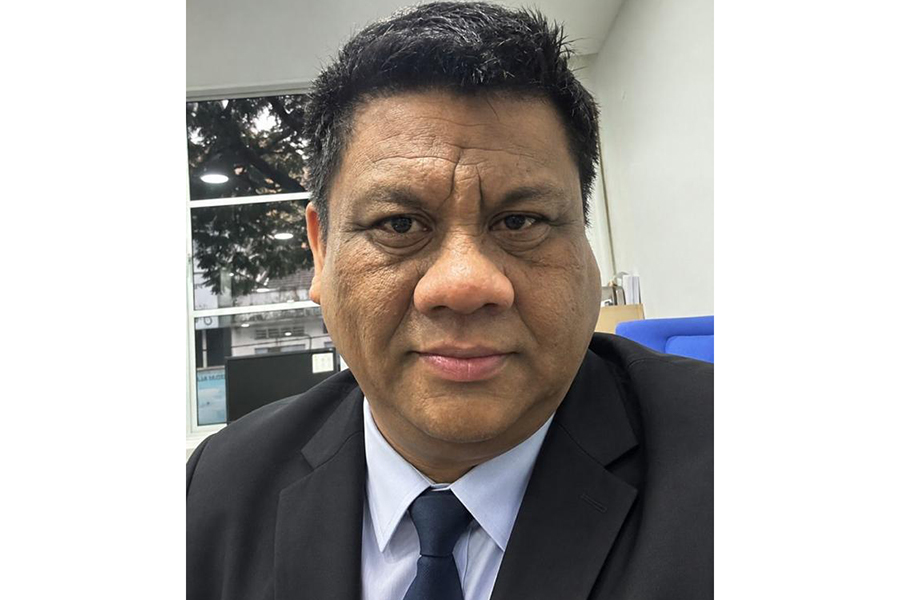
    British American Tobacco (Malaysia) Bhd redesignated Datuk Sri Mohd Nizom Sairi as chairman of the board, effective January 1, 2026. He succeeds Tan Sri Aseh Che Mat, who will step down on December 31, after completing the maximum nine-year tenure as an independent non-executive director under the group’s governance rules.

    Mohd Nizom was appointed as an independent non-executive director of BAT Malaysia on October 1. He previously spent 38 years with the Inland Revenue Board of Malaysia, serving as CEO and director general from 2021 until his retirement from public service in December 2023. He currently serves as independent non-executive chairman of Varia Bhd and as an independent non-executive director of Jati Tinggi Group Bhd.

  • MCTC Demands Probe After Bribe Claims

    MCTC Demands Probe After Bribe Claims

    A day after claims that a former health minister was offered RM50 million ($12.5 million) to drop the generational endgame (GEG) provision from a tobacco control bill, the Malaysian Council for Tobacco Control (MCTC) has called for an independent public inquiry into alleged tobacco industry interference in national legislation. The alleged bribe, offered and rejected by Dr. Zaliha Mustafa, has raised concerns over public sector integrity and the rule of law.

    MCTC president Prof. Dr. Murallitharan Munisamy said any attempt to influence legislation through financial inducements constitutes a serious criminal offence, adding that failure to report an attempted bribe may also breach the law. The council said the allegations reinforce earlier admissions that tobacco and vape industry lobbying influenced the removal of the GEG provision from the Control of Smoking Products for Public Health Act 2024.

    Calling the issue a matter of national integrity and public interest, MCTC urged authorities, including the Malaysian Anti-Corruption Commission, to launch a transparent inquiry into the alleged offer and broader industry influence. The group also renewed calls for stronger safeguards against tobacco industry interference, including a political financing law and a binding code of conduct aligned with WHO tobacco control standards.

  • Bribery Claim Rekindles Malaysia Tobacco Policy Controversy

    Bribery Claim Rekindles Malaysia Tobacco Policy Controversy

    Malaysia’s tobacco and vape policy debate resurfaced after a senior PKR figure alleged that tobacco companies offered a RM50 million bribe to drop the proposed generational endgame (GEG) ban on tobacco and vape sales to future generations. According to Malaysia Now, Sivamalar Genapathy, a PKR deputy secretary-general and former aide to ex-health minister Dr. Zaliha Mustafa, claimed the offer was rejected, but confirmed no report was made to anti-corruption authorities—raising legal and political questions under Malaysia’s MACC Act, as not reporting a bribe is an offense punishable by a fine and up to 10 years in prison.

    The allegations revive scrutiny of the government’s earlier decision to abandon the GEG provision in the Tobacco Products and Smoking Bill, a move criticized by former health minister Khairy Jamaluddin and public health groups as capitulating to industry interests. The episode adds renewed pressure on Prime Minister Anwar Ibrahim’s administration, highlighting ongoing tensions between public health objectives, regulatory decisions on vaping and nicotine, and the influence of tobacco industry lobbying in Malaysia.

  • Malaysia Banning Vapes in 2026

    Malaysia Banning Vapes in 2026

    Malaysia is moving toward a nationwide ban on vaping, with the Health Ministry aiming to finalize and implement the policy by the end of 2026, Health Minister Datuk Seri Dr. Dzulkefly Ahmad said. He said the Cabinet has already agreed in principle to ban vape products, stressing that the issue is no longer whether vaping will be banned, but when. The ministry is expected to bring the matter back to the Cabinet early next year to complete regulatory and legislative processes.

    Dzulkefly cited growing public health concerns, particularly cases of drug-induced psychosis linked to adulterated vape liquids and synthetic substances. He said such cases are being monitored by a special Health Ministry task group in collaboration with medical experts.

  • Malaysian Raid Seizes $2.7M in Illicit Vapes

    Malaysian Raid Seizes $2.7M in Illicit Vapes

    Malaysia’s Customs Department detailed the seizure of more than RM13 million ($2.7 million) worth of illicit vape devices and liquids during an October raid on a storage warehouse in Padang Besar. Officers discovered 719,250 units, including over 211,000 devices and 508,000 liquids, all of which were believed to be undeclared and lacked the required Health Ministry import permits.

    The products, imported from China, had arrived via Kuala Lumpur International Airport before being transported to Perlis. A man in his 40s is under investigation, and authorities are probing whether the stock was intended for domestic sale or re-export.

  • Selangor Drafting Policy to Regulate Vape

    Selangor Drafting Policy to Regulate Vape

    The Malaysian state of Selangor is drafting a policy paper that could lead to a gradual ban on electronic cigarette use, according to state public health and environment committee chairman Jamaliah Jamaluddin. She said the policy will align with the Tobacco Product Control Act for Public Health 2023 (Act 852) and take into account market realities, public health impacts, and enforcement needs. The announcement was made during the Selangor state assembly sitting in Shah Alam in response to a query about prohibiting vapes.

    Jamaliah said the state government has already begun engagement sessions with stakeholders, including the Selangor State Health Department and local authorities, to discuss implementation. Initial steps include removing vape-related advertisements and promotional signage at retail outlets across the state. She emphasized that enforcement will be strengthened through cooperation between state agencies, local authorities, and federal bodies.

    The state also plans to expand awareness campaigns targeting youths, highlighting the risks and harmful health effects of vaping. Advocacy programs will involve secondary schools and universities through carnivals, talks, and interactive sessions. Health clinics will be equipped with support hotlines and nicotine addiction screening services to assist individuals seeking to quit vaping.

  • BAT Malaysia Adjusts Prices, Eyes Market Stability

    BAT Malaysia Adjusts Prices, Eyes Market Stability

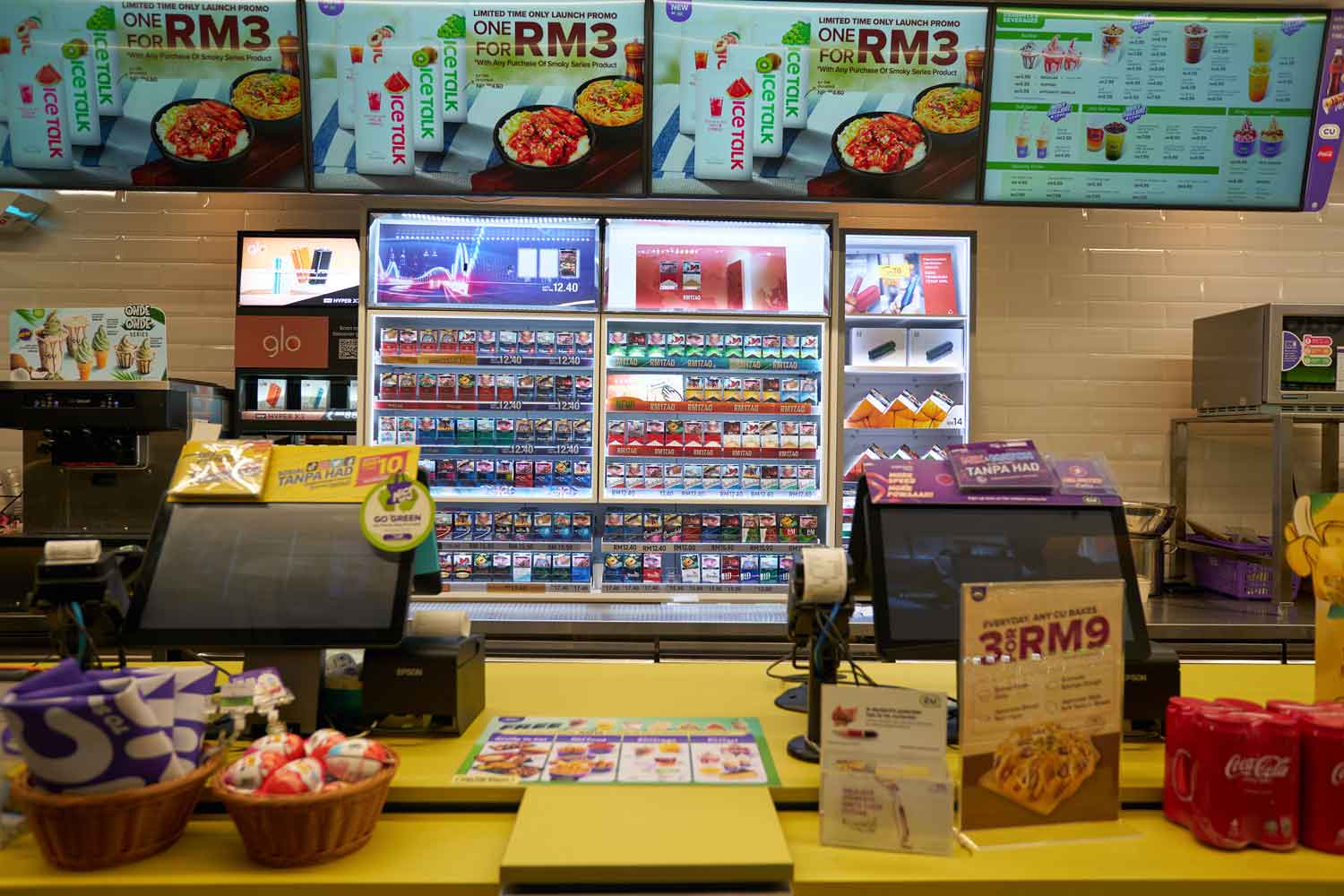
    British American Tobacco (Malaysia) Bhd announced new cigarette prices ranging from RM12.40 to RM18.40 per pack, effective November 21, following the government’s Budget 2026 excise duty increase. The move, approved by the Ministry of Health, marks the first excise adjustment in a decade and comes at a critical time for the company’s market positioning.

    BAT Malaysia managing director Nedal Salem said the moderate increase was a “step in the right direction” given Malaysia’s economic environment, but warned that steep hikes in the past have fueled the tobacco black market, which now accounts for 54% of total cigarette consumption. With illicit trade eroding legitimate sales, BAT Malaysia’s ability to maintain market share hinges on balancing affordability with regulatory compliance.

    Industry analysts note that while higher prices could pressure consumer demand, BAT Malaysia stands to benefit from stronger enforcement against contraband. Government crackdowns saved RM15.5 billion ($3.7 billion) in lost revenue over the past two years, and a new RM700 million ($168 million) allocation for enforcement in 2026 is expected to further curb illegal trade. Salem emphasized that BAT Malaysia fully supports these initiatives, positioning the company to protect its sales base and stabilize market share despite the excise-driven price adjustment.

  • Malaysian Teens Recruited by Syndicate to Sell Vapes

    Malaysian Teens Recruited by Syndicate to Sell Vapes

    Authorities and parents in Malaysia are being warned about unscrupulous syndicates recruiting teenagers to sell vapes at schools for lucrative commissions, reported China Press. Students are allegedly being hired as “runners,” and then encouraged to get their peers addicted so they can sell them devices. One independent Chinese school reportedly took action against a student caught selling vapes on campus, and staff “members were shocked when a syndicate member boldly called the school board pleading for leniency on behalf of the student.” Educational sources urged parents to monitor their children closely.

  • Experts Urge Malaysia to Embrace THR

    Experts Urge Malaysia to Embrace THR

    Malaysia continues to struggle with smoking, according to Dr. Arifin Fii, president of the Advanced Centre for Addiction Treatment Advocacy (ACATA), with roughly 20% of adults (4 million people) still smoking despite strict laws and high taxes. He argues that embracing tobacco harm reduction (THR) through vaping and other non-combusted nicotine products could accelerate progress toward a smoke-free nation.

    Drawing lessons from Sweden, where THR strategies helped reduce smoking rates to between 5.6% and 8%, Fii said countries that restrict vaping, such as Ireland, the Netherlands, and Denmark, have seen little improvement. Evidence shows vaping is at least 95% less harmful than smoking and can serve as a transition tool for smokers, he said.

    Fii criticized Malaysia’s current approach, which treats all nicotine products as equally harmful, arguing that risk-proportionate regulation could reduce smoking prevalence while protecting youth. He called for clear frameworks, stricter enforcement of underage access, and policies grounded in science rather than prohibition. By adopting evidence-based harm reduction, Fii said Malaysia could follow Sweden and the UK in reducing smoking-related deaths, healthcare costs, and tobacco-related harm while giving smokers safer alternatives.