Blog

  • Smoore Introduces Power Alpha to Dubai

    Smoore Introduces Power Alpha to Dubai

    Credit: Smoore

    The world’s leading global atomization technology company, Smoore, premiered its new disposable solution, Power Alpha, at the World Vape Show 2023 in Dubai (June 21st – 23rd).

    Power Alpha debuted at the TPE 2023 in Las Vegas, where it garnered widespread attention and praise for its unprecedented features and advanced technology. This time in Dubai, Power Alpha again overwhelmed company leaders, distributors, and dealers in the vaping industry with its four transformative features: no charge, no burn, no fade, and convenience of use.

    Power Alpha is a charge-free solution for large-puff disposable devices that solve issues disposable vape users face, including short battery life, charging inconvenience, and fading flavor and a burning taste after recharging, according to a press release.

    “These unique features of Power Alpha have fueled the market success of some major players in the vaping industry in North America, as it allows these companies to receive a flood of positive consumer feedback,” the release states.

    What makes Power Alpha a game changer are two patented technologies – a Topower battery and a Corex atomizer.

    Common charge-free vapes usually offer 2500~3000 puffs with a battery capacity of 950 mAh. But disposables employing Topower deliver twice as many puffs and have a large capacity of 2000 mAh, with the battery sizes remaining almost unchanged.

    The large 2000 mAh capacity supports an uninterrupted 6000-puff vaping experience means consumers do not need to recharge and look for their charging cables midway through the vaping. In addition, this battery technology also ensures stable output throughout its life.

    Corex atomizer technology takes the vaping experience to a whole new level with its upgraded mesh coil. Eco-Mesh, which is eco-processed and pollution-free, brings a consistent and mouthful taste due to the 200 percent increase in the precision of the mesh structure and the 50 percent faster heating speed.

    Corex’s patented cotton design increases the e-liquid conductivity by 15.8 percent and improves the e-liquid absorption by 23.5 percent, making the atomization more powerful and efficient.

    Another notable design is the F1 airflow, which brings consumers a clean vaping experience by improving the smoothness by 30 percent and eliminating the condensation by 100 percent.

    Power Alpha, a groundbreaking solution developed by Smoore over the past two years, not only retains the convenience of non-rechargeable disposables but also increases the number of puffs to 6000, which offers an exceptionally cost-effective option to consumers.

  • Public Hearings Ahead of COP10

    Public Hearings Ahead of COP10

    Image: Tobacco Reporter archive

    The Subcommittee for the Defense of the Tobacco Supply Chain, linked to the Committee on Agriculture, Livestock, Fisheries and Cooperatives of the Rio Grande do Sul State Assembly, promoted the first of 10 meetings to be held in the interior of Rio Grande do Sul with the aim to debate and see to the future and to the economic and social importance of the sector as well as for collecting data and evidences to formulate and forward the positioning of Rio Grande do Sul with regard to the provisions of the 10th Conference of the Parties (COP10) to the World Health Organization Framework Convention on Tobacco Control.

    The working meeting brought together approximately 300 people at the City Council Hall in Santa Cruz do Sul, including representatives of the supply chain, authorities, politicians and entrepreneurial leaderships. The premise was presented by deputy Marcus Vinicius de Almeida, coordinator of the subcommittee.

    “We want to give voice to those who frequently are judged without right to their defense. We cannot afford to allow people who do not know the reality of the farmers to dictate the future of our municipalities,” he said. According to the deputy, the committee will hold meetings in 10 municipalities, listening to farmers and companies.

    State Deputy Elton Weber presided over the meeting and prompted the debates. “We know that the federal government will have a seat at the COP, and it is our intention to define, in unified fashion, with all entities linked to the sector, our firm stance. It is an attempt to prevent ideological positions, but positions in accordance with what the sector produces and related to the everyday activities of the sector,” Weber said. The deputy mentioned that the ministries had been invited to participate and regretted the absence of their representatives.

    Interstate Tobacco Industry Union (SindiTabaco) President Iro Schuenke spoke about his expectation for the upcoming months. “We have plenty of work ahead of us; what we have witnessed in other editions is that the supply chain is simply ignored. Brazil, due to its global leadership position, should be an advocate of the supply chain. Unfortunately, it is not what we have seen while the measures of the Framework Convention are always immediately applied in our country. This is the speed that our subcommittee now needs. We need to work quickly to finish the report before August so that we are effective in our provisions sent to Brasilia. Support from all is necessary, but in Brasilia. Political pressure is the only manner for us to move forward,” Schuenke concluded.

    “The Framework Convention on Tobacco Control is the worst dictatorship I know, where the real interested parties are not allowed to take part in the debates,” said Schuenke at a public hearing requested by federal deputy Alceu Moreira on June 15 at the House of Representatives in Brasilia. “The [ideas] we normally hear, and there are many of them, especially in the area of health, have to be rebutted with facts. It is the case of the pitiable campaign we saw on May 31, where a child is sitting in front of a dinner plate full of cigarette ash. It is an aggression to the child and to the tobacco sector, which produces a licit crop that generates income and jobs for millions of Brazilians and is a protagonist in sustainable production, the so-called ESG. My intervention is to discover what stance the Brazilian delegation will adopt at the upcoming COP10 meeting and warn about the consequences from a poorly conducted positioning at the COP.”

    The public hearing was attended by representatives of the Ministry of Foreign Affairs, the Ministry of Agriculture and Livestock and the Ministry of Agrarian Development and Family Farming. The Ministry of Health did not attend the public hearing but sent a note, which stated that the ministry declined the invitation because the World Health Organization has not yet disclosed the agenda for the COP10, which is supposed to occur in August in Panama, thus making it “unnecessary” for the ministry to take part in the debates.

  • Maine Senate Votes to Ban Flavors

    Maine Senate Votes to Ban Flavors

    Image: Tobacco Reporter archive

    The Maine state Senate voted in favor of a bill ending the sale of flavored tobacco products across the state, reports WGME.

    The bill, which passed 18-16, will now move to the House for further discussion. If passed by the House, it will ban the sale of flavors like mint, vanilla, fruits and menthol. However, the bill will not penalize the use, purchase or possession of flavored products, only the sale by tobacco retailers.

  • Egypt Bans Smoking at Health Facilities

    Egypt Bans Smoking at Health Facilities

    Image: Tobacco Reporter archive

    Khaled Abdel Ghaffar, minister of health and population for Egypt, permanently banned smoking “in all its forms” at all health facilities that provide curative, preventative or rehabilitative services, according to Daily News Egypt.

    The ban also includes facilities of the ministry and its affiliated bodies and agencies, according to Hossam Abdel Ghaffar, official spokesperson for the Ministry of Health and Population. “The director responsible for each facility is obligated to take the necessary measures to prevent smoking in them. In case of violating this decision, the director will be punished according to what the law stipulates, a fine of not less than EGP1,000 [$32.36] and not more than EGP20,000, and the smoker shall be punished with a fine of not less than EGP50 and not more than EGP100,” he said.

    The spokesperson added that the law states “a supreme committee for tobacco control shall be formed by a decision of the Prime Minister, headed by the minister of health and with the membership of concerned ministers and representatives of civil society institutions. The health minister shall present the outcomes of the committee in the Cabinet meeting to take the necessary action.”

    A specialized department within the Ministry of Health will be established, as allowed by the related laws, by a decision of the minister of justice in agreement with the minister of health, and the department will have the capacity to implement laws related to combating smoking.

  • Serbia to Raise Cigarette Excise

    Serbia to Raise Cigarette Excise

    Image: Tobacco Reporter archive

    Effective July 1, Serbia will raise the excise duty on cigarettes, reports SeeNews.

    The proportional component of the excise duty will remain 33 percent, according to the government, but the specific component will increase to RSD84.25 ($0.78) per pack from RSD82.75 per pack.

    The retail price will increase by RSD10 per pack of cigarettes.

    The specific component of the excise duty will increase by RSD1.5 every January and July until 2025, according to Serbia’s excise calendar that was adopted at the end of 2020. The increases are to keep Serbia in compliance with European Union standards.

  • Max Ceramic Coil and Topower Show in Dubai

    Max Ceramic Coil and Topower Show in Dubai

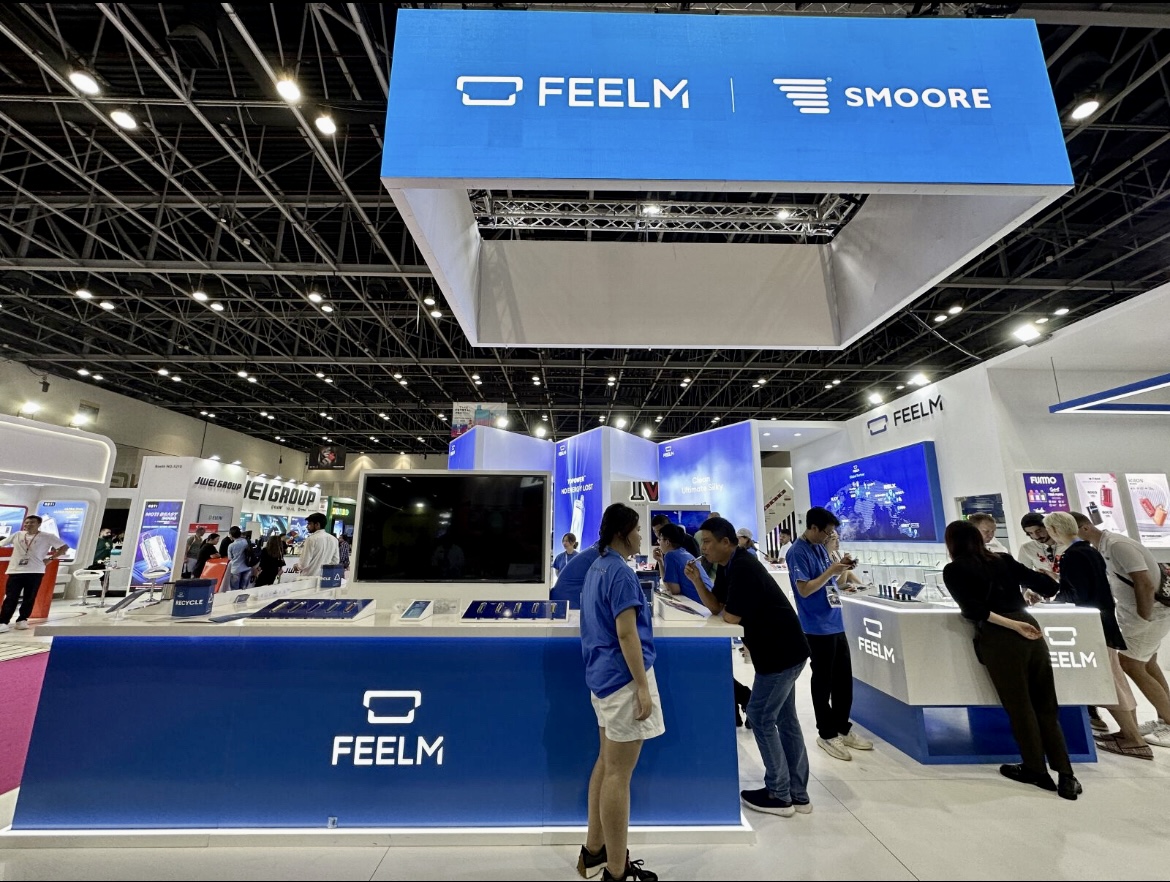
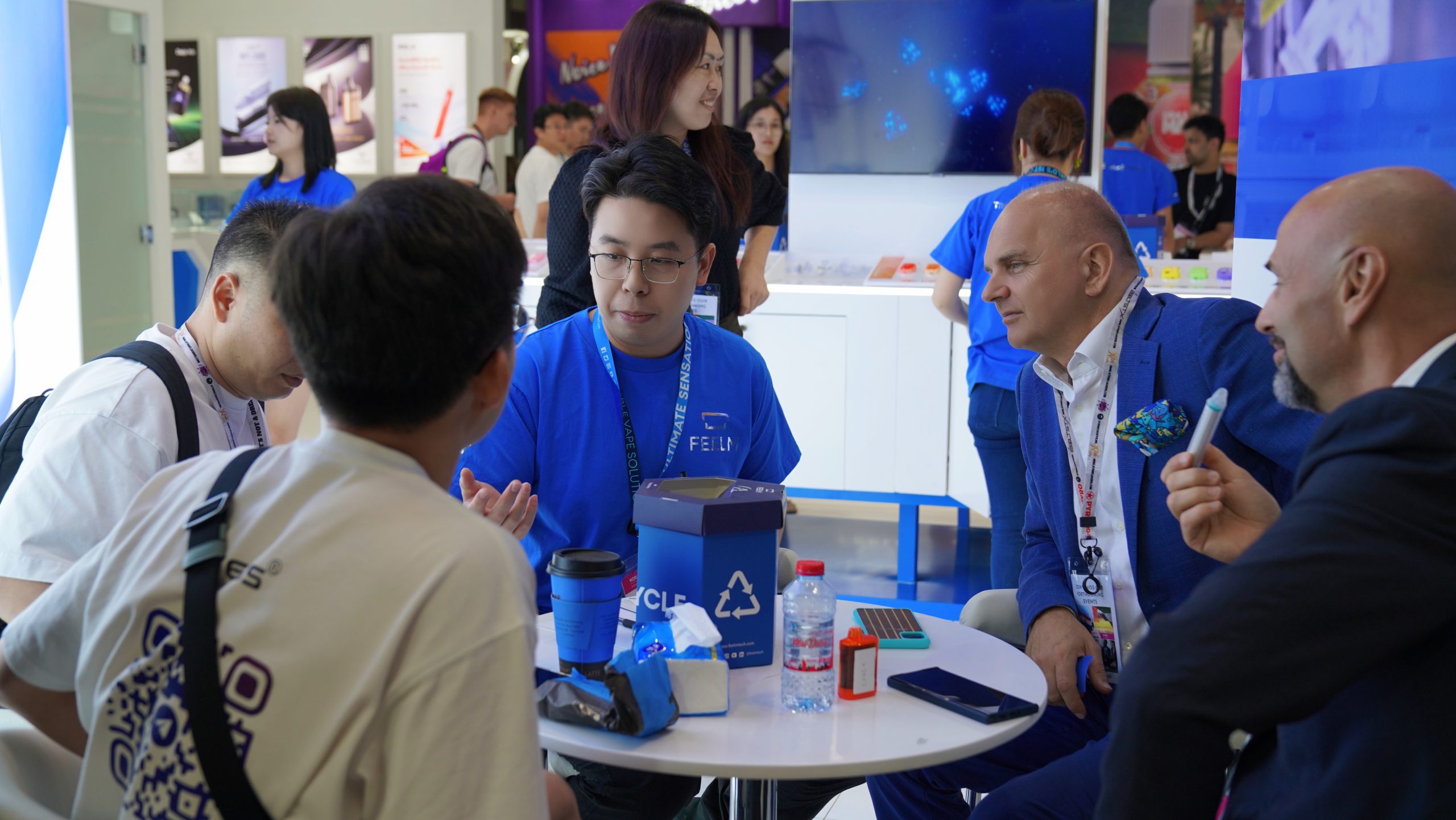
    FEELM, the subsidiary of the world’s largest atomization technology company, Smoore, exhibited two innovations that have been developed to “raise product performance” across the disposable vape category during an industry event in Dubai.

    The FEELM Max’s ceramic coil and Topower battery technology were created as part of a targeted effort to ‘level up the single-use sector’ and enhance consumer experience, according to a press release.

    The pioneering advancements both earned attention from the industry and are already appearing in devices from globally recognized brands.

    FEELM says each was designed to address a “pain point” of the industry.

    FEELM Max’s ceramic coil has done away with super-absorbent cotton to reduce the amount of e-liquid that goes to waste and increase the puff count of TRPR- and TPD-compliant 2ml disposables in the UK by as much as 30 percent – a rise from 600 to at least 800 puffs.

    It also reduces impurities by 78 percent during the heating process, produces air particles that are 55 percent smaller than mainstream solutions and uses a “constant power engine” that provides a vapor consistency of 95 percent and a 35 percent improvement in taste consistency.

    The second notable innovation is FEELM’s Topower battery technology. This breakthrough increases the endurance of large e-liquid capacity vapes and can provide over 6,000 puffs without needing to recharge, which allows consumers to get rid of the hassle of charging.

    Further, the compact power solution – which offers 30 percent more capacity – delivers a consistent output which FEELM says will counter the common issue of flavor reduction caused by voltage drop.

    Topower also promises a longer shelf life, with 1 percent power attenuation over six months and 3 percent power attenuation over a year. This advancement effectively avoids the burning taste and assures a strong consistency of flavor.

    Speaking on the developments, Rex Zhang, assistant president at FEELM, said the company prides itself on being the brand behind the brands and its technology has become to vaping what Intel Core processors are to laptops.

    “We aim to elevate the disposable category to a whole new level through innovation– our ceramic coils and Topower battery solution represent two significant successes on this front,” he said, adding that technology will be a “critical metric” on which to measure the winners and losers of the industry moving forward. “The vape category is fuelled by the desire to help adult smokers switch away from cigarettes – but it is built on innovation.”

  • Drought-Tolerant Tobacco Introduced

    Drought-Tolerant Tobacco Introduced

    Image: Tobacco Reporter archive

    Zimbabwe’s Tobacco Research Board (TRB) has developed and released four drought-resistant tobacco varieties, according to News Day.

    The new varieties will help farmers who have been planting varieties not suited for their areas, according to Frank Magama, TRB CEO. They will also help the country meet its goal of producing 300 million kg by 2025.

    “Just to show you that we haven’t abandoned tobacco, I think in March, we released four varieties that are already in the market, and these varieties actually fit into the Tobacco Transformation Plan where we need to go to 300 million kilograms,” Magama said.

    “Already, you see that it’s quite possible, but what we have done with these varieties is that they are drought tolerant.

    “So, they will be able to safeguard the yields that we are currently obtaining within the tobacco growing districts, you know the usual one, but more importantly, we have put more hectarage in the amount of tobacco that can be grown.

    “Now, we have a belt around Masvingo where growers used to use the wrong varieties. They can grow this profitable (one), and we have a belt in Lower Gweru, and we have a belt in Matabeleland where there is a concentration of growers that are doing tobacco, and they are also suffering from wrong varieties.

    “But with these varieties, what it means is we have marginally increased the area under tobacco production by providing varieties that will actually be profitable in those areas.

    “And again, that fits within the scope of 300 million kilograms. Obviously, there are a number of things that we can do to make sure that we can constantly get the 300 million kilograms without necessarily increasing the hectarage itself. So, increasing hectarage wasn’t part of getting to the 300 million kilograms, but it was part of safeguarding the yield in the current tobacco production zones, including so-called marginal areas.”

    Tobacco exports in the country reached $407 million as of April 30, 2023, compared to $308 million by April 13, 2022.

  • PMI to Open Facility in Ukraine

    PMI to Open Facility in Ukraine

    Image: marinadatsenko | Adobe Stock

    Philip Morris International is launching a $30 million production facility in Lviv, western Ukraine, in the first quarter of 2024, reports Reuters.

    The facility will create 250 jobs, according to PMI.

    “This investment reflects our commitment as Ukraine’s long-term economic partner,” said Maksym Barabash, CEO of Philip Morris Ukraine. “We are not waiting for the end of the war—we are investing now.”

    Ukraine needs foreign capital to rebuild its economy following Russia’s invasion.

    Gross domestic product fell by 29.2 percent in 2022, the largest annual fall since Ukraine’s independence over 30 years ago. Some other large multinationals have recently announced investment plans in the central and western regions, including Unilever and Nestle.

    PMI started operations in the country in 1994 and has since invested more than $700 million in the economy.

  • Estonia to Raise Tobacco Excise Duty

    Estonia to Raise Tobacco Excise Duty

    Image: Tobacco Reporter archive

    Estonia’s Riigikogu passed a bill to raise excise duties on alcohol and tobacco products ahead of its second reading, according to ERR.

    The Alcohol, Tobacco, Fuel and Electricity Excise Duty Act and the Act Amending the Alcohol, Tobacco, Fuel and Electricity Excuse Duty Act and Other Acts had 57 votes in favor and 35 votes against.

    The bill will increase alcohol excise duty and tobacco excise by 5 percent per year between 2024 and 2026.

    An amendment to the bill put forth before the second reading states that maximum retail prices of cigars and cigarillos will be reported with a precision of $0.10 instead of $0.50, as previously outlined, if the cost is €10 ($10.91) or less.

    The bill also removes the excise duty increases on special diesel fuel in order to help keep Estonian farmers competitive.

    The bill passed its first reading on May 17. On June 8, the coalition decided to tie the bill to a vote of confidence to avoid a filibuster.

  • PMI Publishes First Human Rights Report

    PMI Publishes First Human Rights Report

    Image: PMI

    Philip Morris International released its first Human Rights Report, detailing the company’s strategy to promote, respect and protect human rights and its progress to date in implementing its Human Rights Commitment.

    PMI’s Human Rights Commitment outlines the foundational principles that need to be respected throughout the operations and value chain by both PMI and its business partners. In 2022, PMI updated its commitment with the company’s latest saliency mapping, sustainability materiality assessment, ongoing due diligence activities and the evolution of the company’s sustainability strategy.

    “Establishing a strong foundation and integrating mechanisms into our organization that promote, respect and protect human rights are an essential part of our approach to business,” said Jacek Olczak, CEO, in a statement. “While this can be challenging given the breadth of our operations and the scope and complexity of the issues involved, we believe human rights are an absolute and universal requirement that we are committed to upholding.”

    In its Human Rights Report, PMI shares its best practices, lessons learned, main challenges and future actions. It also features country-based case studies and external recognition—such as the inclusion of PMI’s Agricultural Labor Practices in the World Business Council for Sustainable Development’s latest Human Rights Progress Report. PMI actively participates in the Business Commission to Tackle Inequality’s efforts and contributed to the latest report on Tackling Inequality: An Agenda for Business Action.

    In addition, PMI’s Human Rights Report includes progress toward achieving its 2025 goal to conduct 10 human rights impact assessments (HRIAs) in the highest risk countries. To date, PMI has completed seven HRIAs, including two in 2022 in Brazil and Malaysia.

    PMI’s approach to human rights is grounded in the United Nations Guiding Principles on Business and Human Rights.

    “Human rights are inherent to the dignity of human life and a prerequisite for society to prosper,” said Jennifer Motles, chief sustainability officer. “As a global company, we work to uphold human rights both within our organization and across our value chain. We will continue to work with different parts of society in a multi-stakeholder approach to achieve sustainable solutions that comprehensively address systemic human rights issues.”