Category: Agriculture & Sustainability

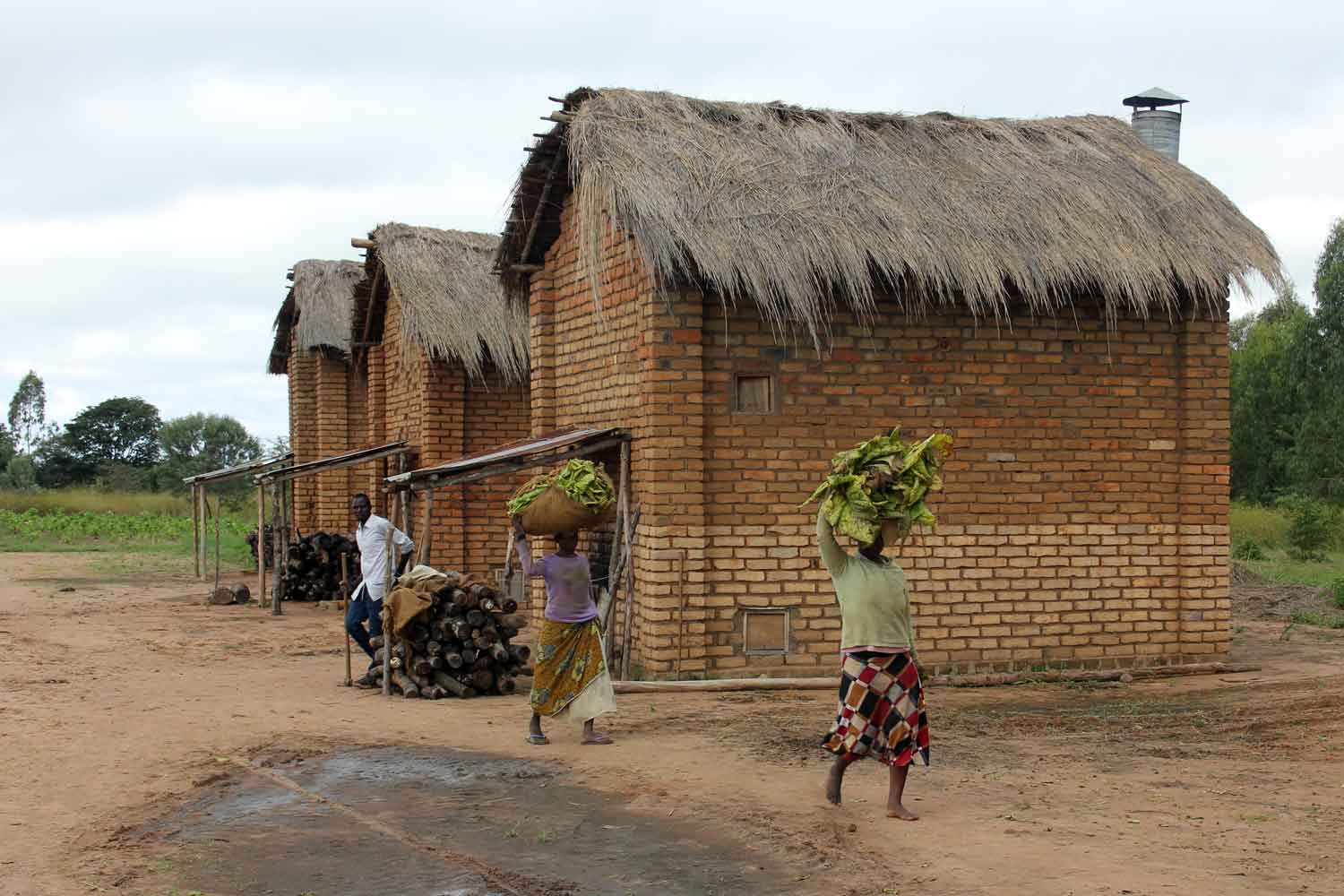
  • Zimbabwe farmers nearing shisha tobacco target

    Zimbabwe farmers nearing shisha tobacco target

     Cavendish Lloyd Zimbabwe’s chief executive officer, Dr. Rebecca Manford, welcomed the government’s extension of the seedbed destruction date to January 15, saying it would allow more farmers to continue transplanting as the nation approaches its shisha tobacco target.

     “For the 2024-25 season, the target is 514 hectares, and so far, 450 have been planted, making the set goal achievable,” Manford said. “Cavendish Lloyd has contracted 149 growers to produce a target yield of 775,000 kilograms, and with the ongoing support to farmers, we are optimistic of achieving this goal while ensuring a high-quality crop.”

    Now in its third year in production in Zimbabwe, Manford said the nation could become a significant player in the global shisha tobacco market with the crop driving economic growth and farmer empowerment. For this to happen, the farmers need the government to continue with its incentives which include expanding irrigation infrastructure, helping secure new export markets, and investing in research to develop high-yielding varieties, as well as subsidized inputs, loans, or grants. Cavendish Lloyd is currently the only registered and licensed shisha merchant by the Tobacco Industry and Marketing Board (TIMB).

    Statistics from TIMB show commercial shisha production rose from 110 hectares in 2022-23 to 407 hectares in 2023-24, totaling nearly 400,000 kilograms worth US$1.3 million.

    Prolonged dry spells and insufficient irrigation facilities made farmers hesitant to jump into full-scale production, however, recent rains have made a positive impact on the crop. Cavendish Lloyd has begun an awareness campaign to attract more growers, that includes technical training and engagement with stakeholders to promote sustainable production solutions.

  • India Faces EU Sustainability Hurdles

    India Faces EU Sustainability Hurdles

    India has become the world’s largest tobacco exporter, with shipments worth $1.2 billion in FY 2023-24—a 19.46% increase from the previous year. Union Commerce Minister Piyush Goyal announced that tobacco exports, including unmanufactured tobacco and processed products, reached a record-breaking ₹12,005.8 crore ($1.5 billion). However, the industry faces mounting challenges as stringent European Union (EU) sustainability standards loom.

    The EU, a key importer of Indian tobacco, is set to enforce regulations under frameworks like the European Green Deal and Carbon Border Adjustment Mechanism by 2026, with full implementation by 2030. These measures aim to ensure sustainability, climate neutrality, and transparency. Experts warn that nearly 50-60% of India’s farm exports, including tobacco, could be impacted due to gaps in technology, training, and resources needed to comply with the EU’s rigorous standards.

    Indian farmers, many of whom are unaware of the impending changes, rely heavily on guidance from the Tobacco Board and the Central Tobacco Research Institute (CTRI). While efforts like promoting organic farming and reducing pesticide use are underway, the industry has yet to develop a comprehensive action plan. Tobacco Board Chairman Yashwant Kumar Chidipothu stresses the need for a gradual transition to meet global standards without jeopardizing the livelihoods of millions of farmers dependent on tobacco cultivation.

    As Europe tightens regulations, experts warn of potential domestic market disruptions, including declining export prices and increased local tobacco consumption. With time running out, the industry must navigate a delicate balance between sustainability and economic survival to retain its position in the global market.

  • Optimism High as Zimbabwe Tobacco Harvest Begins Despite Weather Challenges

    Optimism High as Zimbabwe Tobacco Harvest Begins Despite Weather Challenges

    The early harvesting of Zimbabwe’s tobacco crop is underway, with farmers optimistic about achieving the annual target of 300 million kilograms despite earlier setbacks. Edward Dune, president of the Tobacco Farmers Union Trust, reported that most irrigated farms have started reaping, although recent heatwaves have compromised leaf weight in some areas. Encouraged by the December rains, small-scale farmers are still planting, and Dune anticipates an early start to the marketing season if favorable weather continues. The influx of labor to tobacco farms, particularly in arid regions like Binga and Muzarabani, reflects the sector’s importance for local livelihoods.

    To support farmers, the government has extended the deadline for seedbed destruction to January 15, 2025, following a recommendation by the Tobacco Industry and Marketing Board (TIMB). The extension, prompted by delayed rains and transplanting, allows growers to maximize their efforts amidst challenging conditions. With 84,661 hectares transplanted as of late December—exceeding last year’s figure—TIMB is optimistic about the industry’s growth and resilience. Efforts to ensure high-quality tobacco, proper handling, and competitive pricing remain priorities as TIMB prepares for a crop assessment exercise in January to evaluate the main dryland crop’s progress.

  • Pakistani Farmers Plan Protests Over Quota Cuts

    Pakistani Farmers Plan Protests Over Quota Cuts

    Tobacco growers in Khyber Pakhtunkhwa have announced a protest campaign against the Pakistan Tobacco Board (PTB) and purchasing companies, accusing them of favoring corporate interests and exploiting farmers. During a meeting led by Tehreek-e-Ittehad Kashtkaran Pakhtunkhwa (TIKP), leaders outlined a phased protest strategy, including public rallies in key tobacco-producing districts and sit-ins outside the PTB in Peshawar, Parliament House, and federal government offices in Islamabad. The growers are protesting a 14.2% reduction in the tobacco quota for 2024, claiming it was announced too late for them to adjust their planting decisions.

    The leaders demanded timely quota announcements, curbs on the smuggling of foreign cigarettes, and increased government support for tobacco exports to boost revenue and benefit farmers. They also criticized the lack of investment in tobacco-producing regions, despite legal obligations for companies to allocate 6% of profits to local development. Additionally, they called for the abolition of the contractual employment system in the tobacco sector and the removal of advance taxes on re-dried tobacco to improve growers’ livelihoods and ensure fair labor practices.

  • TIMB Extends Seedbed Destruction Deadline Amid Delayed Rains

    TIMB Extends Seedbed Destruction Deadline Amid Delayed Rains

    In Zimbabwe, the Tobacco Industry and Marketing Board (TIMB) has extended the deadline for destroying tobacco seedbeds for the 2024/25 season to January 15, 2025, citing delays caused by a slow start to the rainy season. Under the Plant Pests and Diseases (Tobacco) Regulations of 1979, seedbeds were initially required to be destroyed by December 31 to prevent pest and disease cycles. However, the prolonged dry spell and insufficient water resources delayed transplanting, prompting the extension to protect farmers’ investments and enable them to recover from the challenging conditions.

    Tobacco remains Zimbabwe’s second-largest foreign currency earner, primarily cultivated by smallholder farmers. Despite adverse conditions caused by an El Niño-induced drought in 2023/24, the industry showed resilience, with 236 million kilograms produced and an increase in registered growers and transplanted hectares by the end of 2024. TIMB has set a target of 300 million kilograms for the upcoming season, urging growers to adopt climate-smart practices such as efficient water management and weed control to mitigate the effects of erratic weather. The recent rains have renewed optimism for the season’s success.

  • Zimbabwe to Phase Out Ethylene Dibromide

    Zimbabwe to Phase Out Ethylene Dibromide

    The Kutsaga Tobacco Research Center in Zimbabwe announced the phaseout of ethylene dibromide (EDB) effective Dec. 31.

    In a notice to the industry, Kutsaga said the measure was necessary to ensure that the country’s leaf tobacco meets international standards. More than 90 percent of Zimbabwe’s tobacco crop is exported.

    “No person shall treat any tobacco with a remedy which is not registered nor reap of offer for sale any tobacco treated with nonregistered remedy,” the notice read. “Furthermore, any tobacco so treated will be destroyed without compensation to the grower.”

    Zimbabwean tobacco farmers have used the agrochemical for soil fumigation for many years. According to Kutsaga, there are several alternative nematicides and soil formulations available for nematode control. The research station is also evaluating new active ingredients.

    EDB joins a growing list of banned fungicides, growth regulators, herbicides and insecticides in Zimbabwe. Other prohibited chemicals include benomyl, butralin and alachlor.

    The agrochemical’s discontinuation notice comes as the Zimbabwean tobacco sector anticipates record-breaking tobacco yields for the 2024–2025 growing season, thanks to heightened prospects of good rainfalls due to the La Nina weather phenomenon.

  • Zimbabwe: Growers Confident About Targets Despite Drought

    Zimbabwe: Growers Confident About Targets Despite Drought

    Photo: Taco Tuinstra

    Tobacco growers in Zimbabwe are confident that they will achieve the targeted 300 million kg in the 2024–2025 cropping season despite the current dry spell, reports The Zimbabwe Mail.

    While part of the tobacco crop has started showing signs of moisture stress, farmer groups are still hopeful that the projected 2025 yield is achievable.

    “In some areas, the crop might be stressed, but we have hope because the Meteorological Services Department (MSD) is telling us that this was a bit expected because they had already indicated that the season will start in a normal to below-normal situation,” said Zimbabwe Farmers Union chief economist Prince Kuipa.

    In October, the MSD still expected La Nina to develop in the October-November-December period and play a key role in rainfall distribution across much of the country.

    A forecast issued in August this year showed that there were chances of normal to below-normal rains in the mentioned period, with normal to above-normal rainfall in the last half of the 2024–2025 season.

    As of Dec. 6, 2024, farmers had transplanted 66,438 ha compared to 61,380 ha during the same period last year, according to the Tobacco Industry and Marketing Board.

    Zimbabwe’s flue-cured tobacco exports are primarily destined for markets in the Far East, Middle East, Africa, the European Union, the Americas, Europe and Oceania.

    Under its Tobacco Value Chain Transformation Plan, the government aims to significantly boost the value generated by Zimbabwe’s tobacco industry.

  • Philippines Using Drones to Map Plantations

    Philippines Using Drones to Map Plantations

    The Philippines National Tobacco Administration (NTA) has started using drones to map tobacco plantations nationwide, reports The Manila Times.

     According to NTA Administrator and CEO Belinda Sanchez, drone technology is part of a digitalization program that will also help validate tobacco plantation data.

    The drones’ high-resolution aerial imaging and geospatial analysis will accurately measure plantation areas and will help farmers in estimating the volume of production.

    Each of the eight NTA branch offices was issued one DJI Mavic 3 Enterprise Drone while an additional unit was provided to the Farm Technology and Services Department.

    NTA Undersecretary Deogracias Victor Savellano said the use of drones was in line with Agriculture Secretary Francisco Tiu Laurel Jr.’s push for modernization and digitalization in the agency.

    NTA Deputy Administrator for Operations Nestor Casela and Deputy Administrator for Support Services Benedicto Savellano said the technology would help the NTA in ensuring fairness in tobacco plantation validation and enhancing its regulatory ability.

  • Philippine Tobacco Farmers to Receive Cash

    Philippine Tobacco Farmers to Receive Cash

    Photo: PMFTC

    The National Tobacco Administration (NTA) of the Philippines is poised to distribute PHP100 million ($1.73 million) to qualified tobacco farmers nationwide, reports GMA News.

    The organization has identified 16,666 tobacco farmers as recipients of the cash assistance amounting to PHP6,000 each, which will be distributed on or before Dec. 15, 2024.

    The funds are intended to cover tobacco farmer-recipients’ production for cropping year 2024-2025, which began in September 2024 and will conclude by June 2025.

    The NTA said the recipients were identified by the agency’s branch offices based on the guidelines set and approved by the NTA governing board.

    Among the recipients are 9,055 contract growers and 7,611 are non-contract growers.

    The NTA said that beneficiaries of the cash assistance must be registered tobacco farmers with the agency and are personally tilling a tobacco farm “capable of providing adequate labor to attend to all activities in quality tobacco production, able to provide basic farm tools and equipment, such as plow, harrow, sprayer, work animal, irrigation pump, and curing bar/air curing shed, and should have adequate sources of good quality irrigation water and desirable for tobacco production.”

  • Next Brazilian Crop Could Touch 700 Million Kg

    Next Brazilian Crop Could Touch 700 Million Kg

    Photo: Taco Tuinstra

    The South Brazilian tobacco crop for 2024/2025 will cover 309,982 hectares, marking a 9.08 percent increase from the previous crop, reports Kohltrade, citing the Brazilian tobacco growers’ association, Afubra.

    Paraná state recorded the largest growth at 13.63 percent, with 83,981 hectares planted. Santa Catarina follows with 11.78 percent, with 94,212 hectares planted and in Rio Grande do Sul, 131,789 hectares were planted, reflecting a 4.6 percent rise.

    More than 138,020 families will be involved in in this year’s tobacco crop, 3.57 more than in the previous season.

    “We are emerging from two very profitable harvests for many tobacco growers, leading to high profitability,” said Afubra President Marcílio Drescher. “As a result, more land is being dedicated to tobacco cultivation, with families returning to this crop. However, these developments are concerning. An increase in cultivated area during a period of stable weather could lead to higher production levels, which may negatively impact producers’ income.”

    In terms of production volume, the initial estimate indicates a boost of 37.08 percent, leading to a total production of 696,435 tons in southern Brazil. This includes 630,539 tons of Virginia tobacco (36.52 percent), 54,624 tons of Burley tobacco (44.07 percent), and 11,272 tons of Common tobacco (36.45 percent).

    Representatives from grower organizations and tobacco companies are currently calculating the production costs for the 2024/2025 harvest. Price negotiations are expected to commence once this assessment is completed.