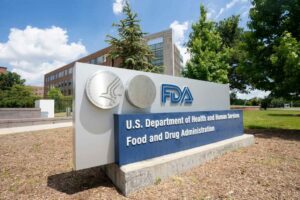
The U.S. Supreme Court will next week hear the U.S. Food and Drug Administration’s defense of the agency’s rejection of two companies’ premarket tobacco product applications (PMTAs) to sell flavored vape products that it has determined pose health risks for young consumers.
The justices took up the FDA’s appeal filed after a lower court ruled that the agency had failed to follow proper legal procedures under federal law when it denied the applications to bring their nicotine-containing products to market.
The Supreme Court is due to hear the case in its next term, which begins in October, according to Reuters.
Two e-cigarette liquid makers, Triton Distribution and Vapetasia, filed premarket tobacco product applications in 2020 for products with flavors such as sour grape, pink lemonade, and crème brulee and names such as “Jimmy The Juice Man Strawberry Astronaut” and “Suicide Bunny Bunny Season.”
The FDA rejected the companies’ applications, along with more than 1 million other products.
Triton and Vapetasia in 2021 asked the New Orleans-based 5th U.S. Circuit Court of Appeals to review the FDA’s denial of their applications.
In January, the 5th Circuit ruled that the FDA had been arbitrary and capricious by denying the applications without considering plans by the companies to prevent underage access and use.
Ispire Technology and IKE Tech announced a successful pre-premarket tobacco product application (PMTA) meeting with the U.S. Food and Drug Administration’s Center for Tobacco Products (CTP) for their age verification technology for electronic nicotine delivery systems (ENDS).
According to an e-mailed release, the technology aims to prevent youth access while expanding adult market access to flavored PMTA-authorized products. IKE Tech is a joint venture among three leading technology and research companies Ispire and Touch Point Worldwide d/b/a Berify and Chemular Inc.
IKE Tech will submit a component PMTA, which would allow ENDS manufacturers to incorporate their blockchain-based age-gating solution if authorized. The FDA indicated potential priority review consideration and acceptance of a component PMTA. The company plans to complete the required studies in Q1 2025.
This critical regulatory milestone marks an essential step in the journey to provide an innovative, secure universal solution aimed at preventing youth access to ENDS and expanding the market for adults who choose to use flavored PMTA-authorized products, according to the release.
“The IKE Tech identity and age verification technology unlocks opportunities for adults who choose to use flavored vapor products while introducing a pioneering approach to reducing youth access and usage,” the release states.
Due to its innovative design, reliance on blockchain technology, and partnership with leading identity and age verification providers, the IKE Tech system is an advanced component that could be used — in any ENDS device — to ensure only authorized adult users can access vaping products.
FDA alignment on key points:
Component PMTA: IKE Tech will submit a PMTA for a component, as opposed to a finished tobacco product to be sold to consumers, and the FDA indicated it will accept such a component PMTA if all statutory requirements are met. Additionally, due to the fact this component employs novel point-of-use technology, the FDA indicated it will consider a request to grant the IKE Tech system priority review. If authorized, the component PMTA would allow ENDS manufacturers to use the IKE Tech system in their finished tobacco product PMTAs, as a plug-and-play age-gating solution, which may allow for the approval of a variety of flavored ENDS products.
Creation of Tobacco Product Master File (TPMF): IKE will create and file a TPMF for the IKE component. Once authorized, the component and TPMF can, subject to agreement, be available to ENDS device manufacturers for incorporation into products.
IKE Tech anticipates completing the required studies for the component PMTA for the IKE Tech system, including the Identity and Age Verification component in Q1 2025.
“Our commitment to harm reduction through innovation and our collaborative efforts with regulators are central to Ispire’s mission,” said Michael Wang, Co-CEO of Ispire. “We are proud to introduce technologies that are designed to responsibly support adult consumer choice while significantly reducing youth access. This technology represents our dedication to aligning with regulatory guidance and setting new standards for safer
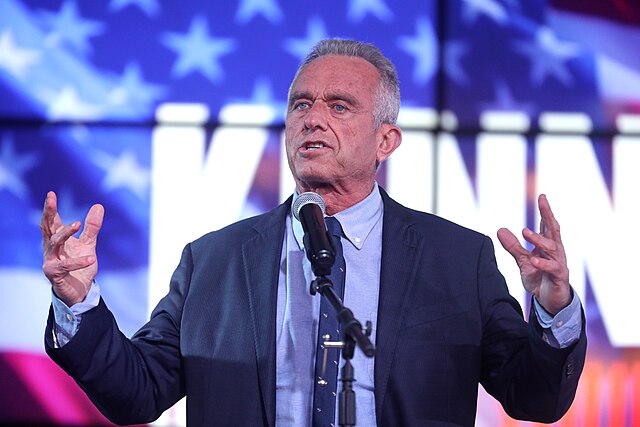
President-elect Donald Trump has nominated Robert F. Kennedy, Jr. to serve as the new secretary of the Department of Health and Human Services (HHS). The effects Kennedy will have on the nicotine market remain unclear. Kennedy must still be confirmed by Congress.
“For too long, Americans have been crushed by the industrial food complex and drug companies who have engaged in deception, misinformation, and disinformation when it comes to Public Health,” Trump posted. “The Safety and Health of all Americans is the most important role of any Administration, and HHS will play a big role in helping ensure that everybody will be protected from harmful chemicals, pollutants, pesticides, pharmaceutical products, and food additives that have contributed to the overwhelming Health Crisis in this Country.”
As the leader of HHS, Kennedy will oversee the FDA, which regulates vaping, nicotine pouches, and all other nicotine and tobacco products through its Center for Tobacco Products.
Kennedy’s position on vaping, nicotine, and tobacco harm reduction (THR) remains an unknown. During the presidential campaign, Trump promised that, if elected, he would “save vaping” after meeting with Tony Abboud of the Vapor Technology Association.
“I saved Flavored Vaping in 2019, and it greatly helped people get off smoking,” Trump said on his Truth Social platform in September. “I raised the age to 21, keeping it away from the ‘kids.’ Kamala and Joe want everything banned, killing small businesses all over the country. I’ll save Vaping again!”
The end of Chevron deference could have ripple effects across the nicotine industry.
By Timothy S. Donahue
U.S. courts will no longer need to “humbly respect” how government agencies interpret the law. The end of Chevron deference means unelected officials will no longer have the leeway to subjectively decide what Congress intends when it passes regulatory legislation.
The court’s ruling in Loper Bright Enterprises v. Raimondo and the related case Relentless v. Department of Commerce will likely have far-reaching impacts on nearly every action government agencies take. For the nicotine industry, it could change how courts view the U.S. Food and Drug Administration’s premarket tobacco product application (PMTA) process. It could also impact the agency’s efforts to regulate menthol and lower the levels of allowable nicotine in combustible cigarettes.
“For far too long, unelected bureaucrats at the FDA have been making up the law to suit their ulterior agenda and … the Supreme Court has thankfully put a stop to it once and for all,” said Allison Boughner, vice president of the American Vapor Manufacturers Association, in a statement. “No longer will it be good enough for [prohibitionists] in Congress to write vague, Crayola language and then connive behind closed doors with FDA to impose arbitrary policies on the American public that could never withstand the light of day. [This] ruling is a stirring rebuke of FDA and, we hope, with more soon to follow in pending cases.”
In declaring the doctrine’s demise, Chief Justice John Roberts wrote that agencies “have no special competence” in resolving statutory ambiguities—but courts do.
“Chevron is overruled,” wrote Justice Roberts in the Loper Bright decision. “Courts must exercise their independent judgment in deciding whether an agency has acted within its statutory authority, as the APA [Administrative Procedure Act] requires. Careful attention to the judgment of the Executive Branch may help inform that inquiry.
“And when a particular statute delegates authority to an agency consistent with constitutional limits, courts must respect the delegation while ensuring that the agency acts within it. But courts need not and under the APA may not defer to an agency interpretation of the law simply because a statute is ambiguous.”
Agustin E. Rodriguez, a partner with Troutman Pepper, explained that “under the doctrine of Chevron deference, courts would defer to a federal agency’s interpretation of an ambiguous statute if the agency was charged with administering the statute in question and its interpretation was reasonable. However, the end of Chevron deference may alter that traditional thinking.”
Bryan Haynes, also a partner at Troutman Pepper, added, “The Supreme Court’s decision overruling Chevron in the Loper Bright Enterprises v. Raimondo case could affect federal courts’ overall outlook on agency interpretations, possibly making courts hesitant to defer to agencies as a general practice.”
The decision could potentially result in alterations to the FDA’s methods of regulating vaping products. The Supreme Court of the United States (SCOTUS) has agreed to hear its first-ever vaping case, Wages and White Lion Investments v. U.S. FDA, which is compelling because deferring to Chevron has been the standard for lower courts when deciding regulatory cases brought by manufacturers of nicotine products (the end of Chevron deference isn’t likely to directly impact the White Lion case, according to its attorneys).
Robert Burton, an expert with more than 11 years of experience in the U.S. vaping industry and current group scientific and regulatory director for the U.K.-based vaping company Plxsur, said another general concern is that now, federal agencies may have to put more resources into the additional legal challenges that they will likely face and divert staff away from review/approval processes.
“Agencies, such as FDA, may also have to look to improve their primary knowledge in those ‘gray areas’ to be able to demonstrate they actually have the knowledge and expertise rather than it being ‘assumed’ or deferred by judges based upon Chevron,” Burton explained. “I also can’t see anything changing soon; if anything, this will create a further backlog of court cases and delays in regulatory decisions based upon the potential for an agency to be challenged legally.”
How it started
The Chevron doctrine, based on the 1984 decision in Chevron v. Natural Resources Defense Council, held that courts should defer to the interpretations of “expert” federal agencies regarding ambiguous laws they are required to implement, as long as the agency interpretations are reasonable.
In many cases, what would be considered “reasonable” was also left to government agencies to decide because nonelected bureaucrats were often considered “experts” even though they had little to no experience in the industries they were regulating.
For 40 years, unelected officials were given latitude to decide on their own what Congress had intended when it wrote unclear laws—even if there were other sufficient interpretations that the courts could have considered. According to the New York Times, Chevron deference was applied in 70 Supreme Court decisions and 17,000 lower-court rulings during those years.
The plea to overturn the Chevron doctrine came to the court in two cases challenging a rule issued by the National Marine Fisheries Service (NMFS) that requires the herring industry to bear the costs of observers on fishing boats. Applying Chevron, both the U.S. Court of Appeals for the District of Columbia Circuit and the U.S. Court of Appeals for the 1st Circuit upheld the rule, finding it to be a reasonable interpretation of federal law.
The fishing companies brought their case to the Supreme Court, seeking the justices’ input on both the rule in question and the overruling of the Chevron doctrine. Roman Martinez, speaking on behalf of a group of fishing vessels, informed the justices that the Chevron doctrine undermines the courts’ responsibility to interpret the law and violates the federal law that governs administrative agencies, which calls for courts to independently review legal questions.
Under the Chevron doctrine, he observed, even if all nine Supreme Court justices agree that the fishing vessels’ interpretation of federal fishing law is better than the NMFS’ interpretation, they would still be required to defer to the agency’s interpretation as long as it was reasonable. Such a result, Martinez concluded, is “not consistent with the rule of law.”
Chris Howard, executive vice president of external affairs and new product compliance for Swisher, parent to the vaping company E-Alternative Solutions, welcomed the ruling, saying that federal agencies have had too much power for decades.
“That ended with the Supreme Court’s decision overturning the longstanding Chevron doctrine,” said Howard. “The decision marks a significant shift in the judicial landscape, correcting the balance of power between federal agencies and the judiciary. It fundamentally alters how courts rule on agency statutory interpretation. As the majority states, courts will no longer be restrained by the need to provide deference.
“Instead, ‘Courts must exercise their independent judgment in deciding whether an agency has acted within its statutory authority, as the APA requires.’ This transformation will likely lead to significantly less regulatory flexibility and increased judicial scrutiny. The implications of this decision will resonate across industries, including the tobacco industry, influencing regulatory practices and shaping the future of administrative law. Regulatory overreach will become the exception as opposed to the norm and enable courts to fulfill their duty to interpret the law.”
Credit: Sean Pavone Photo
Immediate uproar
The end of Chevron deference is extremely far-reaching, with other industries, such as healthcare, likely to review previous decisions that have gone against them. Justice Elena Kagan, in her dissent, asserted that government regulators are best positioned to tackle highly technical subjects.
“This court has long understood Chevron deference to reflect what Congress would want, and so to be rooted in a presumption of legislative intent,” Kagan wrote. “Congress knows that it does not—in fact cannot—write perfectly complete regulatory statutes. It knows that those statutes will inevitably contain ambiguities that some other actor will have to resolve and gaps that some other actor will have to fill.
“Today, the court flips the script: It is now ‘the courts (rather than the agency)’ that will wield power when Congress has left an area of interpretive discretion. A rule of judicial humility gives way to a rule of judicial hubris. In recent years, this court has too often taken for itself decision-making authority Congress assigned to agencies. The court has substituted its own judgment on workplace health for that of the Occupational Safety and Health Administration, its own judgment on climate change for that of the Environmental Protection Agency and its own judgment on student loans for that of the Department of Education.
“In one fell swoop, the majority today gives itself exclusive power over every open issue—no matter how expertise-driven or policy-laden—involving the meaning of regulatory law. As if it did not have enough on its plate, the majority turns itself into the country’s administrative czar. It defends that move as one (suddenly) required by the (nearly 80-year-old) Administrative Procedure Act. But the act makes no such demand. Today’s decision is not one Congress directed. It is entirely the majority’s choice. And the majority cannot destroy one doctrine of judicial humility without making a laughingstock of a second.”
Several national healthcare groups made a joint statement expressing that Chevron deference protected the legal stability of public health programs such as Medicare and Medicaid. The groups claim that Chevron ensured that laws passed by Congress were interpreted and implemented by expert federal agencies such as the Centers for Medicare and Medicaid Services.
“As our amicus brief noted, large health programs such as Medicaid and Medicare, as well as issues related to the Food, Drug and Cosmetic Act, are extremely complex, so it is key that decisions about how to interpret and implement relevant laws are made by experts at government agencies,” the statement reads. “Yet [this] majority opinion explicitly ends the use of this sensible doctrine.
“As leading organizations that work on behalf of people across the country who face serious, acute and chronic illnesses and many people who lack access to quality and affordable healthcare, we will continue to work to ensure that healthcare laws are implemented in ways that benefit public health.”
In its response to the Chevron ruling, the Public Health Law Center at the Mitchell Hamline School of Law stated that the Loper Bright ruling will “undoubtedly impact” the field of administrative law and implicate regulations that, in addition to promoting public health and safety, have served to protect consumers, workers, civil rights and the environment.
“Legal experts differ on the degree to which Loper Bright may wreak havoc on the federal administrative state; however, the forceful dissent written by Justice Kagan in this case and its companion case, Relentless v. Department of Commerce, should not be ignored. The dissent expressed grave concern that these decisions ‘will … cause a massive shock to the legal system, cast doubt on many settled constructions of statutes and threaten the interests of many parties who have relied on them for years.’
“In the absence of Chevron deference, the tobacco industry will doubtless feel emboldened to dispute any regulatory actions taken on its products. This includes e-cigarette manufacturers who will be eager for courts to undo FDA-issued premarket tobacco product application denial orders for many thousands of vape products.”
The Biden administration called the Chevron decision “yet another deeply troubling decision that takes our country backward,” adding that President Biden’s legal team would work with federal agencies to do “everything we can to continue to deploy the extraordinary expertise of the federal workforce.”
Reshma Ramachandran, a health policy expert and assistant professor at the Yale School of Medicine, said, “This term has been disastrous for public health in many ways.”
In the vaping industry, however, Tony Abboud, executive director of the Vapor Technology Association (VTA), said that the decision clearly bolsters what the VTA has been saying for years: the FDA and, specifically, the Center for Tobacco Products overstepped their authority when they chose to implement a de facto ban on flavored e-cigarettes in their deeply flawed implementation of the PMTA process.
“To be clear, it is [the] FDA’s responsibility under the law to create a regulation that clearly addresses the statutory standard of what is ‘appropriate for the protection of public health’ since the Tobacco Control Act is ambiguous on how that determination should be made. However, there is no question that the FDA violated the Administrative Procedure Act by implementing what the 5th Circuit Court of Appeals called ‘a de facto ban on flavored e-cigarettes’ through its shifty implementation of the PMTA regulation by imposing new requirements on products after applications were already filed, ultimately ensuring their application’s demise.
“The Supreme Court’s decision elevates the importance of the Reagan-Udall Foundation’s findings after being convened at the request of the FDA commissioner, which specifically and clearly criticized the FDA’s Center for Tobacco Products for failing to inform companies what must be provided under the regulation to demonstrate APPH [appropriate for the protection of the public health] and, as importantly, for failing to inform the public on how FDA is applying this standard.”
Beyond nicotine
The cannabis industry also will likely be impacted by the Chevron ruling. Asheville, NC-based attorney Rod Kight, a global resource and expert in cannabis law, said that the recent ruling by the SCOTUS that Chevron deference is dead is welcome news to the cannabis industry. With respect to the hemp sector, the death of Chevron means that unofficial positions taken about various cannabinoids and processes to produce hemp products by both the U.S. Drug Enforcement Agency (DEA) and the FDA on their respective websites and in letters to stakeholders do not hold any weight, at least not with the courts.
“In practical terms, this means that judges may not defer to federal agency positions and interpretations and, instead, must weigh their positions relative to the strength of the legal positions and interpretations put forth by the hemp industry,” explains Kight. “For instance, with respect to tetrahydrocannabinolic acid (THCA), the DEA has stated in two letters during the past year that ‘cannabis-derived THCA does not meet the definition of hemp under the CSA because upon conversion for identification purposes as required by Congress, it is equivalent to delta-9 THC.’
“As I have discussed in several blog posts and interviews, this is partially incorrect and is not exactly what ‘Congress required.’ Rather, Congress requires a post-decarboxylation test for hemp production (i.e., cultivation) but not for harvested hemp or hemp products.”
In the past, this type of unofficial guidance may have warranted a court’s deference to the DEA, even if an opposing position by a hemp industry participant was stronger and more well articulated. However, Kight said that, in the post-Chevron world, the DEA’s position will not hold any more weight with the court than a counter-position by an opposing litigant.
“The same thing applies to any number of other issues, from vapes to synthetic cannabinoids,” said Kight. “Hopefully, this exciting legal development will curb the appetite for DEA and FDA to take strong positions that are often unwarranted while helping the hemp industry to carve out favorable judicial rulings based on the best and most well-articulated positions.”
Abboud said the SCOTUS’ decision in Loper exposes the FDA’s improper regulation of flavored e-cigarettes. While the vaping cases that have gone before the SCOTUS were not explicitly decided on Chevron deference, it is hard to believe that the court will not look skeptically on the FDA’s prior “regulatory shenanigans and post-hoc justifications” laid bare by the 5th Circuit Court of Appeals in the White Lion case.
“However, unlike the complete overturning of Chevron, it is likely that the court would issue a more limited ruling in the vape cases before it. That said, the real power of Loper is that it provides a template for new litigation against the FDA that is not limited to individual application decisions,” said Abboud. “This new regulatory challenge would reveal the full story of FDA’s tortured and disingenuous implementation of the ambiguous PMTA statutory provisions to ban flavored vaping products and possibly, as a result, spell the demise of the PMTA regulation.
“VTA is once again calling for the FDA to immediately suspend any further denials based on its existing process and instead create a clear and streamlined tobacco product standard that will allow independent companies of all sizes to get less harmful nicotine alternatives on the market as it is required to do under the law.”
Timothy Donahue is the assistant editor
of Tobacco Reporter. Since joining our team in
January 2013, he has become not only an
expert on the traditional tobacco business but
also a well-respected voice in the rapidly developing
vapor industry. Tim spends much of his time on the
road, attending conferences and interviewing industry representatives.
His networking skills, work ethic and quick mind
are valuable assets to our diverse audience.
The U.S. vaping industry is anxiously awaiting a decision from the highest court in the land.
By Timothy S. Donahue
The Supreme Court of the United States (SCOTUS) is poised to address a crucial case for the vaping industry that challenges the U.S. Food and Drug Administration’s decision to block the marketing of flavored e-cigarette products. The FDA is contesting a lower court ruling that favored two vaping companies, which argue that the FDA unjustly rejected over a million premarket tobacco product applications (PMTAs) to sell flavors other than tobacco or menthol.
Under the agency’s PMTA pathway, companies must demonstrate that the marketing of a product would be appropriate for the protection of public health (APPH). When the FDA makes decisions about vaping products, it must take into consideration the risks and benefits to the entire population, not just users of the products.
The case, Wages and White Lion Investments v. U.S. FDA, is compelling because a major factor in predicting how SCOTUS will rule in the first vaping case to be heard by the high court, and potentially at least three others, is that in the wake of another SCOTUS ruling, courts no longer need to defer to agency interpretation of the law simply because a statute is ambiguous (see “Principle Response,” page 22).
Gregory Conley, an experienced industry attorney and director of legislative and external affairs at the American Vapor Manufacturers Association, said that the overturning of the Chevron deference could have a profound impact on the vaping and broader nicotine industries by reducing the deference courts previously granted to regulatory agencies like the FDA.
“Judges will now critically evaluate the FDA’s regulatory processes and interpretations of ambiguous statutes rather than assuming the agency knows best,” Conley said. “In simpler terms, for the first time since its creation, the FDA’s Center for Tobacco Products will have to follow the law as written.”
Vape companies secured a legal victory when the 5th U.S. Circuit Court of Appeals sided with Wages and White Lion (doing business as Triton Distribution) and Vapetasia when it overturned the orders denying the marketing of the companies’ flavored products. In its decision, the 5th Circuit condemned the FDA’s imposed requisites as “unfair,” noting that the agency “unexpectedly demanded” that the companies present studies demonstrating that flavored products would contribute to smoking cessation.
In January, the en banc panel of the 5th Circuit voted 9-5 to grant the petitions for review. The judges ruled that the FDA had been “arbitrary and capricious,” in violation of a federal law called the Administrative Procedure Act (APA), by denying the applications without considering the companies’ plans to prevent underage access and use.
“Over several years, the [FDA] sent manufacturers of flavored e-cigarette products on a wild goose chase. First, the agency gave manufacturers detailed instructions for what information federal regulators needed to approve e-cigarette products. Just as importantly, FDA gave manufacturers specific instructions on what regulators did not need,” Circuit Judge Andrew S. Oldham wrote in the majority opinion. “The agency said manufacturers’ marketing plans would be ‘critical’ to the success of their applications.
“And the agency promulgated hundreds of pages of guidance documents, hosted public meetings and posted formal presentations to its website—all with the (false) promise that a flavored-product manufacturer could, at least in theory, satisfy FDA’s instructions. The regulated manufacturers dutifully spent untold millions conforming their behavior and their applications to FDA’s say-so.
“Then, months after receiving hundreds of thousands of applications predicated on its instructions, FDA turned around, pretended it never gave anyone any instructions about anything, imposed new testing requirements without any notice, and denied all 1 million flavored e-cigarette applications for failing to predict the agency’s volte-face. Worse, after telling manufacturers that their marketing plans were ‘critical’ to their applications, FDA candidly admitted that it did not read a single word of the 1 million plans.”
The case began when the FDA rejected 55,000 applications to market flavored e-cigarettes in August 2021, including Triton’s, and said applicants would likely need to conduct long-term studies establishing their products’ benefits to win approval. The Office of the Solicitor General asked the Supreme Court to review whether the 5th Circuit’s decision relied upon “legal theories that have been rejected by other courts of appeals that have reviewed materially similar FDA denial orders.”
The regulatory agency’s “legal theories” in Triton are based on administrative fairness and regulatory consistency, not Chevron deference. In most vaping industry lawsuits, appeals courts have supported the FDA, and manufacturers have sought appeals. In the Triton Distribution case, however, the FDA had to petition the court to review the 5th Circuit’s decision, which was based more on APA violations. SCOTUS is scheduled to hear the case sometime during its new session, which begins in October.
Conley explained that, while the end of Chevron signals a new openness by the Supreme Court to scrutinize federal agencies, the 5th Circuit’s opinion focused on matters of statutory interpretation, including procedural conduct and the FDA’s sudden imposition of new standards without proper notification.
“With or without Chevron deference, we believe that the ‘switcheroo’ pulled by the FDA was arbitrary, capricious and not in line with the Administrative Procedures Act,” said Conley. “This stance aligns with the court’s broader view that agencies should not have unchecked power to interpret and enforce ambiguous statutes without clear congressional authorization.”
Much of the lower court’s opinion is based on APA violations. The APA process for creating federal regulations has (typically) three main phases: initiating rulemaking actions, developing proposed rules and developing final rules. In practice, however, this process is often complex, requiring regulatory analysis, internal and interagency reviews, and opportunities for public comments.
At its most basic level, the APA requires that an agency create a draft proposed rule, review/approve it, publish a notice of proposed rulemaking in the Federal Register and open a public comment period of at least 30 days. In a footnote to the Triton decision, the court characterized the FDA’s denial of all PMTAs for nontobacco-flavored e-cigarettes as a “de facto flavor ban” that circumvented the APA’s required notice-and-comment rulemaking process:
“(5) FDA’s categorical ban has other statutory problems. For example, the TCA states that FDA must follow notice-and-comment procedures before adopting a ‘tobacco product standard.’ See 21 U.S.C. § 387g(c)–(d). And Congress specifically called a ban on tobacco flavors a ‘tobacco product standard.’
“See id. § 387g(a)(1)(A) (referring to tobacco flavors, ‘including strawberry, grape, orange, clove, cinnamon, pineapple, vanilla, coconut, licorice, cocoa, chocolate, cherry or coffee, that is a characterizing flavor of the tobacco product or tobacco smoke’); see also id. § 387g(a)(2) (cross-referencing notice-and-comment obligation to revise flavor standards). FDA unquestionably failed to follow § 387g’s notice-and-comment obligations before imposing its de facto ban on flavored e-cigarettes.”
Attorneys from the U.S. Department of Justice told the justices that the 5th Circuit’s ruling “has far-reaching consequences for public health and threatens to undermine the TCA’s central objective of ‘ensuring that another generation of Americans does not become addicted’” to nicotine products.
In court papers, Solicitor General Elizabeth Prelogar told SCOTUS justices that the FDA has never adopted a categorical ban on flavored e-cigarette products. “Rather, it has recognized that, because such products pose a ‘known and substantial risk to youth,’ applicants bear a particularly high burden of proving a potential for benefit to adult smokers that could justify the risk,” she wrote.
Robert Burton, a longtime player in the U.S. vaping industry and current group scientific and regulatory director for the U.K.-based vaping company Plxsur, said that concerning the Triton case, decisions will now need to carry a significant weight of evidence on both sides.
“Without the Chevron precedent, it may come down to a judgment based upon who knows the market and consumer best and who understands ‘best’ what is in the interest of public health, but based upon facts and data rather than a gray area deferral,” said Burton.
Attorney Eric Heyer, who is representing Triton, expressed intense anticipation for the Supreme Court’s hearing of the case. He strongly criticized the FDA for imposing “surprise, after-the-fact … study requirements” and failing to adhere to the guidelines the agency itself had developed.
It is unclear whether SCOTUS will hear the three other vaping-related cases, which are also before it (Magellan Technology Inc. v. Food and Drug Administration; Lotus Vaping Technologies LLC v. Food and Drug Administration; and Logic Technology Development LLC v. Food and Drug Administration). In these cases, vaping manufacturers seek a review of their losses in FDA-issued marketing denial order appeals handed down by various other circuit courts.
Yolonda Richardson, president and CEO of the Campaign for Tobacco-Free Kids, has urged the high court to overturn the appeals court order, emphasizing that if allowed to stand, it could significantly harm public health, particularly that of children. Vaping companies have asserted that their products can mitigate the harm caused by smoking combustible cigarettes.
When the Triton decision was announced, Tony Abboud, executive director of the Vapor Technology Association, welcomed the decision as a “blistering indictment” of the FDA’s Center for Tobacco Products for its “intentional misleading” of the U.S. e-cigarette industry.
“The court was so stupefied by the FDA’s bad-faith efforts to reject all flavored e-cigarette products [that] it cited Shakespeare to illustrate the full extent of the FDA’s disingenuity, particularly after the court explained that the plaintiffs in that case provided scientific evidence that e-cigarettes ‘save lives,’” Abboud said. “The court also emphasized the dramatic and abrupt ‘FDA flip-flop,’ which led to the implementation of what the court called a ‘de facto ban’ on flavored e-cigarette products in the U.S.
“This was in addition to the voluminous jurisprudence cited by the court laying bare just how egregious the behavior of the FDA administrative state has been toward e-cigarette products and the consumers that use them. As the court stated, ‘No principle is more important when considering how the unelected administrators of the fourth branch of government treat the American people.’”
The U.S. Food and Drug Administration announced a final rule raising the minimum age for certain restrictions on tobacco product sales. The requirements are in line with legislation signed in December 2019, which immediately raised the federal minimum age for the sale of tobacco products in the United States from 18 to 21.
Once implemented, the requirements are expected to help decrease underage tobacco sales.
Beginning Sept. 30, retailers must verify with photo identification the age of anyone under the age of 30 who is trying to purchase tobacco products, including e-cigarettes. Previously, this requirement applied to anyone under the age of 27. It’s important for retailers to request and examine photo IDs to verify age from anyone under 30, regardless of appearance, as research has shown that it is difficult for retailers to accurately determine the age of a customer from appearance alone.
Additionally, starting Sept. 30, retailers may not sell tobacco products via vending machines in facilities where individuals under 21 are present or permitted to enter at any time. Previously, this prohibition applied to facilities where individuals under 18 were present or permitted to enter at any time.
These changes, and the other changes made by the final rule, aim to maximize the public health impact of the original December 2019 legislation, according to an agency press release.
“Today’s rule is another key step toward protecting our nation’s youth from the health risks of tobacco products,” said Brian King, director of the FDA’s Center for Tobacco Products. “Decades of science have shown that keeping tobacco products away from youth is critical to reducing the number of people who ultimately become addicted to these products and suffer from tobacco-related disease and death.”
The Further Consolidated Appropriations Act, signed into law on Dec. 20, 2019, increased the federal minimum age for selling tobacco products from 18 to 21 across the United States. Since then, it has been illegal to sell tobacco products, including e-cigarettes, to anyone under 21. The law also directed the FDA to take action today, increasing the age of certain requirements for tobacco product sales, as explained above.
The agency also continues to provide retailers with resources to improve compliance with tobacco laws and regulations, including age of sale restrictions. For example, the FDA has developed a voluntary education program, “This is Our Watch,” which offers free resources to assist retailers in calculating the age of customers, including a digital age verification calendar and an age calculator app. Retailers can also find information on tobacco products that may be legally marketed in the United States through the Searchable Tobacco Products Database. Updated resources, including further information on these latest requirements, will be made available on the FDA’s website in the near future.
While FDA menthol market authorizations are rightly seen as a victory, they may be pyrrhic.
By Rich Hill
The flavored electronic nicotine-delivery systems (ENDS) road has been a bumpy ride. Going back to pre-deeming days, flavored ENDS were ubiquitous, as were unquantified, anecdotal reports of their cigarette-smoking cessation efficacy. Following the accelerated premarket tobacco product application (PMTA) submission timeline, as everyone knows, the Center for Tobacco Products’ (CTP) decisions decimated flavored ENDS. Likewise, even the most sophisticated companies were receiving marketing denial orders (MDOs) for menthol ENDS. Throughout this bloodbath, the CTP oft repeated that flavored products need to demonstrate a cessation benefit to adult smokers weighed against the risk of youth initiation. Until recently, this had not played out.
Njoy’s marketing granted orders (MGOs) for menthol Ace and Daily products was a watershed moment demonstrating that an ENDS product with a flavor other than tobacco could be granted marketing authorization status. However, the authorization does leave some questions unanswered.
CTP’s Menthol Positioning
In 2022, the CTP staked out its position on menthol in the cigarette context with the product standard prohibiting menthol in cigarettes. The center asserted that menthol reduces irritation and harshness of smoking, increases appeal and makes cigarettes easier to use—especially for youth, increases nicotine’s sensory effects in the brain and makes it more difficult to quit smoking. While the first points on irritation and harshness are unique to cigarettes, the CTP’s other points arguably apply to menthol and nicotine more generally—a dour omen for ENDS and other products.Given this position, particularly on youth initiation, it came as little surprise that several menthol ENDS products received MDOs over the past several years.
An About Face?
The Njoy Ace and Daily menthol product MGOs were a surprise considering the CTP’s menthol position and flavored vapor product denials. What was different about Njoy’s applications that tipped the scales?
Beyond Njoy’s successful showing of product characterization, toxicology and abuse liability data, according to the Njoy Ace Technical Project Lead Review (TPLR), behavioral studies and marketing restrictions appear to have made the difference. Alongside other behavioral studies, Njoy simply did what the CTP required and conducted a longitudinal study comparing cigarette smoking cessation efficacy between tobacco and menthol ENDS products. Per the TPLR, “[t]he applicant’s findings and additional analyses conducted by statistics demonstrate a statistically significant added benefit of using menthol-flavored Njoy Ace compared to classic tobacco flavor … in achieving past-30-day [combustible cigarette] smoking cessation ….” Among other data in the TPLR, Table 3 reports that in the Intention to Treat Analysis, initial flavor at baseline analysis resulted in 26.6 percent past-30-day abstention rates for menthol versus 19.3 percent for tobacco at 6 months. When analyzed by flavor at time of switching, past-30-day cessation rates of 27.1 percent for menthol versus 19.3 percent for tobacco at 6 months were reported.
Along with the adult cessation data, Njoy agreed to a long list of marketing restrictions—beyond what is observed in other applications. The restrictions included limitations on advertising means including no radio, television, outdoor, print, search engine advertising, social media promotions, product placements, engagements or activations or influencers, sponsors, etc., among others. Talent portrayals would be limited to models over 45 years of age. Njoy identified a range of sales restrictions as well.
Ultimately, after assessing the youth data and risks, the TPLR executive summary states, “[t]he PMTAs contain sufficient evidence to show that the new products have the potential to benefit adults who smoke combustible cigarettes and who switch completely or significantly reduce their combustible cigarettes use …. The applicant also proposed robust marketing plans that include restrictions beyond those required with PMTA authorization. The Office of Health Communication and Education has determined that these restrictions may help further limit youth exposure to the new product, the products’ labeling, advertising, marketing, and/or promotion, and the potential for youth initiation.”
Questions Remain from the Njoy Decision
The MGO, however, raises two interesting questions. First, how much adult benefit is enough to overcome youth uptake? And second, what impact do marketing restrictions have on marketing authorization decisions?
The Math on Youth Use vs. Adult Cessation – How Much Differential is Enough?
The TPLR reports youth Njoy use data from both applicant data and national surveys and concludes that “[w]hile ENDS with nontobacco flavors and high nicotine delivery may help adults who smoke switch from CC to ENDS, these same characteristics may facilitate initiation and continued nicotine use by youth.” The cost-benefit analysis is troubling because CTP provides no real quantitative measure comparing youth use rates to adult cessation rates. Rather than a numerical comparison, the analysis seems to rely upon the totality of the evidence. As the TPLR states, “the totality of evidence provided by the applicant suggests that the menthol-flavored [product] … is associated with significantly higher smoking cessation rates than tobacco-flavored Njoy Ace products, and epidemiology concluded that the new products are highly beneficial to adults who smoke CC.” The close of the TPLR user population synthesis states that menthol-flavored new products pose a risk to youth but went on to assert that the data “demonstrate added benefit of using menthol-flavored compared to classic tobacco-flavored … Njoy Ace in achieving past-30-day smoking cessation—a showing required to outweigh the risks associated with flavored ENDS among youth.”
For some time, many in industry have wondered how much cessation difference between tobacco and flavored ENDS would be enough to outweigh risk to youth. While the balancing test is not numerically quantified, this marketing decision does provide some level by which to assess menthol products.
Are Marketing Plans Back on the Table?
In the White Lion Investments dba Triton Distribution v. FDA5th Circuit Court of Appeals decision from January 2024, the majority opinion found that the FDA ignored marketing plans in the Triton PMTAs: “[w]orse, after telling manufacturers that their marketing plans were ‘critical’ to their applications, FDA candidly admitted that it did not read a single word of the 1 million plans.”
Njoy’s marketing plan, however, seems to have an effect on the outcome. Reviewers remarked that the Njoy plan was “robust and is expected to limit youth exposure” to marketing materials. Interestingly, the TPLR states that the marketing plan was “not considered in the APPH assessment,” but then goes on to refer to the plan positively, stating, “the applicant’s approach to marketing may help further limit youth exposure to the new products.”In Njoy’s case, the marketing plans may not have moved the APPH needle but were considered as a net positive in youth prevention.
Are marketing plans important to your application? Beyond being a required part of the PMTA submission, it appears that in this case, the restrictions at least supplemented the adult benefit data to good effect.
Will Menthol MGOs Have an Impact in This Market?
While the menthol market authorizations are rightly seen as a victory, such a victory may be a pyrrhic one.
The presence and consumer acceptance of flavored disposable ENDS products looms over this seminal marketing authorization. The fact is that many menthol-flavored ENDS products with pending PMTAs remain on the market. Even in the face of the availability of menthol ENDS, flavored disposable ENDS sales have skyrocketed.
The Centers for Disease Control and Prevention published a Morbidity and Mortality Weekly Report (MMWR) in 2023 assessing e-cigarette unit sales across the various categories of products and flavors using scan data from brick-and-mortar retailers only. The MMWR reported that “the percentage of disposable e-cigarette sales more than doubled, from 24.7 percent in January 2020 to 51.8 percent in December 2022.” The predominant disposable flavors reported were “flavors other than tobacco, menthol or mint” (71.4 percent in 2020 and 79.6 percent in 2022). At the same time, menthol ENDS sales overall did not significantly change, while tobacco and mint flavors declined. With half of the market occupied by flavors that consumers clearly want, the growth space for a couple of menthol products seems limited.
VV Archives
While the FDA continues to publicize enforcement efforts, the flavored disposable ENDS trend will not abate anytime soon. Given that flavored disposables are crushing the category, it seems unlikely that the MGOs for Njoy’s menthol products will play a significant role in shifting market share in the near term.
Where Does This Leave Us?
Foremost, good on Njoy for cracking the code—most observers have been very skeptical that an ENDS product with any flavor would ever be granted marketing authorization. Ultimately, Njoy demonstrated what the industry knows to be true from ENDS consumers—flavors, including menthol, are a net positive for adults who smoke to transition away from higher-risk combustible cigarettes. However, questions remain about how the risk-benefit test will be applied—how that math actually works and who, other than the largest companies, can afford to produce such evidence.
Rich Hill is senior director and new product compliance counsel at E-Alternative Solutions.
While FDA menthol market authorizations are rightly seen as a victory, they may be pyrrhic.
By Rich Hill
The flavored electronic nicotine-delivery systems (ENDS) road has been a bumpy ride. Going back to pre-deeming days, flavored ENDS were ubiquitous, as were unquantified, anecdotal reports of their cigarette-smoking cessation efficacy. Following the accelerated premarket tobacco product application (PMTA) submission timeline, as everyone knows, the Center for Tobacco Products’ (CTP) decisions decimated flavored ENDS. Likewise, even the most sophisticated companies were receiving marketing denial orders (MDOs) for menthol ENDS. Throughout this bloodbath, the CTP oft repeated that flavored products need to demonstrate a cessation benefit to adult smokers weighed against the risk of youth initiation. Until recently, this had not played out.
Njoy’s marketing granted orders (MGOs) for menthol Ace and Daily products was a watershed moment demonstrating that an ENDS product with a flavor other than tobacco could be granted marketing authorization status. However, the authorization does leave some questions unanswered.
CTP’s Menthol Positioning
In 2022, the CTP staked out its position on menthol in the cigarette context with the product standard prohibiting menthol in cigarettes. The center asserted that menthol reduces irritation and harshness of smoking, increases appeal and makes cigarettes easier to use—especially for youth, increases nicotine’s sensory effects in the brain and makes it more difficult to quit smoking. While the first points on irritation and harshness are unique to cigarettes, the CTP’s other points arguably apply to menthol and nicotine more generally—a dour omen for ENDS and other products.Given this position, particularly on youth initiation, it came as little surprise that several menthol ENDS products received MDOs over the past several years.
An About Face?
The Njoy Ace and Daily menthol product MGOs were a surprise considering the CTP’s menthol position and flavored vapor product denials. What was different about Njoy’s applications that tipped the scales?
Beyond Njoy’s successful showing of product characterization, toxicology and abuse liability data, according to the Njoy Ace Technical Project Lead Review (TPLR), behavioral studies and marketing restrictions appear to have made the difference. Alongside other behavioral studies, Njoy simply did what the CTP required and conducted a longitudinal study comparing cigarette smoking cessation efficacy between tobacco and menthol ENDS products. Per the TPLR, “[t]he applicant’s findings and additional analyses conducted by statistics demonstrate a statistically significant added benefit of using menthol-flavored Njoy Ace compared to classic tobacco flavor … in achieving past-30-day [combustible cigarette] smoking cessation ….” Among other data in the TPLR, Table 3 reports that in the Intention to Treat Analysis, initial flavor at baseline analysis resulted in 26.6 percent past-30-day abstention rates for menthol versus 19.3 percent for tobacco at 6 months. When analyzed by flavor at time of switching, past-30-day cessation rates of 27.1 percent for menthol versus 19.3 percent for tobacco at 6 months were reported.
Along with the adult cessation data, Njoy agreed to a long list of marketing restrictions—beyond what is observed in other applications. The restrictions included limitations on advertising means including no radio, television, outdoor, print, search engine advertising, social media promotions, product placements, engagements or activations or influencers, sponsors, etc., among others. Talent portrayals would be limited to models over 45 years of age. Njoy identified a range of sales restrictions as well.
Ultimately, after assessing the youth data and risks, the TPLR executive summary states, “[t]he PMTAs contain sufficient evidence to show that the new products have the potential to benefit adults who smoke combustible cigarettes and who switch completely or significantly reduce their combustible cigarettes use …. The applicant also proposed robust marketing plans that include restrictions beyond those required with PMTA authorization. The Office of Health Communication and Education has determined that these restrictions may help further limit youth exposure to the new product, the products’ labeling, advertising, marketing, and/or promotion, and the potential for youth initiation.”
Questions Remain from the Njoy Decision
The MGO, however, raises two interesting questions. First, how much adult benefit is enough to overcome youth uptake? And second, what impact do marketing restrictions have on marketing authorization decisions?
The Math on Youth Use vs. Adult Cessation – How Much Differential is Enough?
The TPLR reports youth Njoy use data from both applicant data and national surveys and concludes that “[w]hile ENDS with nontobacco flavors and high nicotine delivery may help adults who smoke switch from CC to ENDS, these same characteristics may facilitate initiation and continued nicotine use by youth.” The cost-benefit analysis is troubling because CTP provides no real quantitative measure comparing youth use rates to adult cessation rates. Rather than a numerical comparison, the analysis seems to rely upon the totality of the evidence. As the TPLR states, “the totality of evidence provided by the applicant suggests that the menthol-flavored [product] … is associated with significantly higher smoking cessation rates than tobacco-flavored Njoy Ace products, and epidemiology concluded that the new products are highly beneficial to adults who smoke CC.” The close of the TPLR user population synthesis states that menthol-flavored new products pose a risk to youth but went on to assert that the data “demonstrate added benefit of using menthol-flavored compared to classic tobacco-flavored … Njoy Ace in achieving past-30-day smoking cessation—a showing required to outweigh the risks associated with flavored ENDS among youth.”
For some time, many in industry have wondered how much cessation difference between tobacco and flavored ENDS would be enough to outweigh risk to youth. While the balancing test is not numerically quantified, this marketing decision does provide some level by which to assess menthol products.
Are Marketing Plans Back on the Table?
In the White Lion Investments dba Triton Distribution v. FDA5th Circuit Court of Appeals decision from January 2024, the majority opinion found that the FDA ignored marketing plans in the Triton PMTAs: “[w]orse, after telling manufacturers that their marketing plans were ‘critical’ to their applications, FDA candidly admitted that it did not read a single word of the 1 million plans.”
Njoy’s marketing plan, however, seems to have an effect on the outcome. Reviewers remarked that the Njoy plan was “robust and is expected to limit youth exposure” to marketing materials. Interestingly, the TPLR states that the marketing plan was “not considered in the APPH assessment,” but then goes on to refer to the plan positively, stating, “the applicant’s approach to marketing may help further limit youth exposure to the new products.”In Njoy’s case, the marketing plans may not have moved the APPH needle but were considered as a net positive in youth prevention.
Are marketing plans important to your application? Beyond being a required part of the PMTA submission, it appears that in this case, the restrictions at least supplemented the adult benefit data to good effect.
Will Menthol MGOs Have an Impact in This Market?
While the menthol market authorizations are rightly seen as a victory, such a victory may be a pyrrhic one.
The presence and consumer acceptance of flavored disposable ENDS products looms over this seminal marketing authorization. The fact is that many menthol-flavored ENDS products with pending PMTAs remain on the market. Even in the face of the availability of menthol ENDS, flavored disposable ENDS sales have skyrocketed.
The Centers for Disease Control and Prevention published a Morbidity and Mortality Weekly Report (MMWR) in 2023 assessing e-cigarette unit sales across the various categories of products and flavors using scan data from brick-and-mortar retailers only. The MMWR reported that “the percentage of disposable e-cigarette sales more than doubled, from 24.7 percent in January 2020 to 51.8 percent in December 2022.” The predominant disposable flavors reported were “flavors other than tobacco, menthol or mint” (71.4 percent in 2020 and 79.6 percent in 2022). At the same time, menthol ENDS sales overall did not significantly change, while tobacco and mint flavors declined. With half of the market occupied by flavors that consumers clearly want, the growth space for a couple of menthol products seems limited.
VV Archives
While the FDA continues to publicize enforcement efforts, the flavored disposable ENDS trend will not abate anytime soon. Given that flavored disposables are crushing the category, it seems unlikely that the MGOs for Njoy’s menthol products will play a significant role in shifting market share in the near term.
Where Does This Leave Us?
Foremost, good on Njoy for cracking the code—most observers have been very skeptical that an ENDS product with any flavor would ever be granted marketing authorization. Ultimately, Njoy demonstrated what the industry knows to be true from ENDS consumers—flavors, including menthol, are a net positive for adults who smoke to transition away from higher-risk combustible cigarettes. However, questions remain about how the risk-benefit test will be applied—how that math actually works and who, other than the largest companies, can afford to produce such evidence.
Rich Hill is senior director and new product compliance counsel at E-Alternative Solutions.
The U.S. Food and Drug Administration and the Department of the Treasury have announced a proposed rule that would require an importer to submit the FDA-issued Submission Tracking Number (STN) of electronic nicotine delivery system (ENDS) products into the electronic imports system operated by U.S. Customs and Border Protection.
The new requirement will help streamline the process of reviewing the admissibility of ENDS products into the United States, according to the FDA’s website.
After an applicant submits a marketing application for a new tobacco product, FDA assigns a unique identifier called an STN. Under the proposed rule, if finalized, any ENDS product, including e-cigarettes, for which the STN is not submitted may be denied entry into the U.S.
An FDA-issued STN is one data element that is important to FDA’s admissibility review and determination, which also includes review of other information about the product as well as possible sampling and examination of the product, according to the agency.
“Beginning tomorrow, the docket for the proposed rule, titled ‘Submission of Food and Drug Administration Import Data in the Automated Commercial Environment for Certain Tobacco Products,’ will be open for public comment through October 15, 2024.
Visit the rulemaking docket at regulations.gov to learn more and comment on the proposed rule.”Beginning tomorrow, the docket for the proposed rule … will be open for public comment through October 15, 2024.
Visit the rulemaking docket at regulations.gov to learn more and comment on the proposed rule.
The FDA’s first premarket approval of a mentholated vape product reflects poorly on the agency’s authorization process.
By Stefanie Rossel
Lindsay Stroud
On June 21, the U.S. Food and Drug Administration for the first time authorized nontobacco-flavored vape products through its premarket tobacco product application (PMTA) pathway. The agency issued marketing granted orders (MGO) for two Njoy Ace menthol flavor pods and two disposable e-cigarettes, Njoy Daily Menthol 4.5 percent and Njoy Daily Extra Menthol 2.4 percent. The news was hailed as a “significant decision” and a “watershed moment for the sector” that will have a “huge and significant impact” on the global reduced-risk products market.
Upon closer inspection, however, the authorization is less of a breakthrough than these superlatives suggest. Instead, it again highlights the many problems with the agency’s authorization process for electronic nicotine-delivery systems (ENDS) and novel nicotine products.
Lindsey Stroud, senior fellow with the Taxpayers Protection Alliance, describes the recent FDA authorization as a small step in the right direction in what has otherwise been a regulatory nightmare. “While allowing the sale of a nontobacco-flavored ENDS, FDA seems to understand that adults who use menthol-flavored combustible cigarettes should have access to products which are significantly less harmful,” she says. “Unfortunately, the FDA still continues to deny the sale of all other flavored ENDS, despite their effectiveness in helping adults quit smoking and remain smoke-free.”
Stroud is also concerned about the informal market. “Despite FDA not having issued authorization orders for flavored ENDS, a large, unregulated marketplace exists in the United States—99.9 percent of which are nontobacco flavored,” she says. “FDA must recognize the role that other flavors play in tobacco harm reduction because denialism isn’t stopping the flourishing non-FDA-authorized ENDS marketplace.”
Jeffrey Smith
Jeffrey Smith, a senior fellow in harm reduction at the R Street Institute, says he welcomes any action by the FDA Center for Tobacco Products (CTP) that supports reduced-risk options for those who smoke. “Unfortunately, in the grand scheme of things, the awarding of an MGO to the four Njoy menthol variants is unlikely to be a sign of a significant shift in the decision-making process at the CTP,” he says. “If the regulatory environment does not change through external pressures, it is unlikely that the actions of the CTP will evolve in a swift and effective manner.”
Gray Market to Persist
While optimists may detect a new willingness to approve reduced-risk products (RRPs) in the CTP’s recent product authorizations, few expect the regulatory floodgates to open to an avalanche of product approvals.
“Since the awarding of the Njoy menthol products, there haven’t been any additional actions or signals that more may be coming,” says Smith. “The only additional communications I have seen from the CTP since the Njoy announcement was a letter from the FDA to the clerk of the Supreme Court informing the court that the CTP had granted a marketing order to four menthol-flavored e-cigarette products. The case is the Logic v. FDA, where Logic is arguing that the CTP had adopted a blanket policy of rejecting menthol-flavored products.”
Stroud says the menthol announcement is a positive development but notes that the FDA remains opposed to any flavors that don’t exist in traditional tobacco products. “Dr. Brian King, director for the Center for Tobacco Products, is very anti-flavor, if not anti-vape,” she says. “Going back to at least 2015 and his time at the CDC [Centers for Disease Control and Prevention], King has been first to tout the Bloomberg party line that ‘flavors hook kids.’ This is in direct contrast to U.S. youth survey data, which finds flavors as one of the least-cited reasons why youth vape. FDA must recognize the role of flavors, their appeal to adults who smoke and how flavors help to reinforce a negative taste—literally—associated with combustible cigarette smoke. Until FDA recognizes this, the U.S. ENDS market will remain a large gray market.”
Unlike most other vape products that have received FDA authorization to date, the Njoy menthol variants are technologically up to date and relatively popular with consumers. “According to Altria’s first-quarter 2024 report, Njoy made up 4.3 percent of the U.S. retail market, but this will likely grow as Njoy is now the only menthol-flavored—and nontobacco-flavored—ENDS product legally permitted to be for sale in the U.S.,” says Stroud.
She is undecided about the FDA decision’s potential impact on the global RRP landscape. “I would imagine that with FDA recognizing the importance of menthol, most countries would follow the agency’s findings,” she says. “Unfortunately, due to a de facto flavor ban in the U.S., there is precedent for countries to restrict flavors, despite them not experiencing a huge surge in youth vaping as the U.S. did in 2019.”
“The awarding of a marketing granted order to the four Njoy menthol variants is unlikely to be a sign of a significant shift in the decision-making process at the CTP.”
Depressing Number
Nicotine companies have long lamented the FDA’s product authorization process, which they say is needlessly time-consuming and costly and favors deep-pocketed players over less generously resourced applicants. Stroud and Smith believe the process can be streamlined only through external interventions.
To illustrate the challenge, Stroud recalls the tremendous technological progress in ENDS products, which went from cigalikes to larger open systems, back to pods and then on to disposables. “The FDA’s draconian regulations don’t account for the technological improvement that has been applied to ENDS,” she says. “FDA and Congress could reform the Tobacco Control Act [TCA] in a huge way if they pushed the predicate date further ahead than February 2007. Requiring ENDS to undergo extensive testing and a massive bureaucratic application process is not only a farce to public health, but it restricts innovation and competition, which is very un-American.”
With Congressional assistance and a reworking of the TCA, the FDA could establish a notification process for new products and then focus on post-market surveillance to monitor the public health effects of the new products, according to Shroud.
“The FDA must also recognize what percentage of youth is permittable,” she says. “No other consumer good in America has been forced to deal with so much scrutiny that even one kid using the product is one kid too many. While youth vaping was a problem in 2019, it declined by more than 60 percent in the years since—all while the non-FDA-authorized ENDS market grew exponentially. FDA must recognize that adults are using these products and that their use is associated with a 10 percent decrease in cigarette units sold in America in 2023. That’s a win for public health. FDA must reform the process so we can accelerate even further declines in smoking.”
As of June 21, the FDA had authorized more than 16,000 tobacco products—mostly cigarettes and cigars, according to Stroud. “Twenty-seven MGOs for ENDS is a depressing number and makes up less than 1 percent of authorized products,” she says. “Worse, only 49 products have been authorized by FDA using the PMTA pathway. FDA’s own budget is problematic; it’s entirely funded by user fees paid for by only six classes of tobacco products and not from e-cigarettes. There is more of an incentive to authorize the products that are paying for a $275,000 annual salary, as made by the CTP director in 2023, than authorizing products that pay nothing. While FDA has been asking Congress for years to be able to collect user fees on products including e-cigarettes, they refuse to issue orders—and instead denied tens of millions of products. That could have been a lot of fees and would have funded a significant amount of surveillance while also recognizing tobacco harm reduction. It is something the agency must recognize if the mission is to reduce smoking.”
While optimists may detect a new willingness to approve reduced-risk products in the CTP’s recent product authorizations, few expect the regulatory floodgates to open to an avalanche of product approvals. | Photo: Tada Images
Significant Ruling
Smith says it is important to educate those affected by the failing 99.999 percent of all PMTA applications about the recent changes in the regulatory landscape and how those changes may lay a foundation for the significant changes necessary at the CTP.
“The first is the recent announcement by the Supreme Court where the Chevron Deference has been overturned,” he says. “This action by the court will now require that regulatory agencies follow the letter of the law and that the regulators would now have little leeway in the interpretation of how to apply regulatory law.
“The Chevron Deference has allowed the CTP to define the meaning of ‘appropriate for the protection of public health’ when conducting a review of the PMTAs and MRTPAs [modified-risk tobacco product applications]. Now, post-Chevron, if the Tobacco Control Act does not clearly outline the actions and process of enforcement of regulatory oversight in a manner that allows for the regulatory agency to action the law, the law will have to be amended to clarify the process, so legislators will have to work to make the law actionable … not the regulators that monitor the marketplace.”
Second, according to Smith, the Supreme Court may review four relevant lawsuits—Triton, Magellan, Lotus and Logic. Such a review may trigger action to change the TCA. “If the court decides to hear at least one of these cases, then the likely outcome is a requirement that the TCA be clarified so that the CTP will only enforce actions defined in the TCA,” says Smith. “If the TCA isn’t clear as to how to enforce it, then the law should be amended. Depending on how the policies are modified by the legislative branch, we may see shifts in the way that CTP reviews all tobacco and nicotine products, leading to a more effective regulatory environment. However, how the legislators refine the TCA will determine if the regulatory environment improves in a manner that supports the reduced-risk product marketplace.”
Stefanie Rossel is Tobacco Reporter’s editorial contributor. An experienced trade journalist, she combines sharp reporting skills with in-depth knowledge of the tobacco and vapor industries. Prior to joining Tobacco Reporter, Stefanie was editor-in-chief at Tobacco Journal International, where she worked for a decade. Fluent in English, German and French, Stefanie covers tobacco news around the world. She is based in Germany.











 The Njoy Ace and Daily menthol product MGOs were a surprise considering the CTP’s menthol position and flavored vapor product denials. What was different about Njoy’s applications that tipped the scales?