Tag: regulation

  • Ninth Circuit Denies Lotus MDO Review

    Ninth Circuit Denies Lotus MDO Review

    Entrance to United States Court of Appeals for the Ninth Circuit . Headquartered in San Francisco, California, the Ninth Circuit is by far the largest of the 13 courts of appeals. (Credit: Eric BVD)

    The U.S. Court of Appeals for the 9th Circuit on June 30 declined to review a Food and Drug Administration marketing denial order for Lotus Vaping Technologies’ flavored e-liquid products.

    The FDA issued marketing denial orders for Lotus’ flavored products, finding that the petitioners’ applications lacked sufficient evidence showing that the flavored products would provide a benefit to adult users that outweighs the risks such products pose to youth.

    Lotus challenged the ruling in court, but the judges held that the text of the Family Smoking Prevention and Tobacco Control Act authorizes the FDA to require that manufacturers submit comparative health risk data, which necessarily includes comparisons of flavored e-liquids to tobacco-flavored e-liquids.

    The judges also held that the FDA did not arbitrarily or capriciously deny Lotus’ applications and that any error the agency committed by failing to consider Lotus’ marketing plans was harmless.

  • Topower Brings More Puffs and Better Battery

    Topower Brings More Puffs and Better Battery

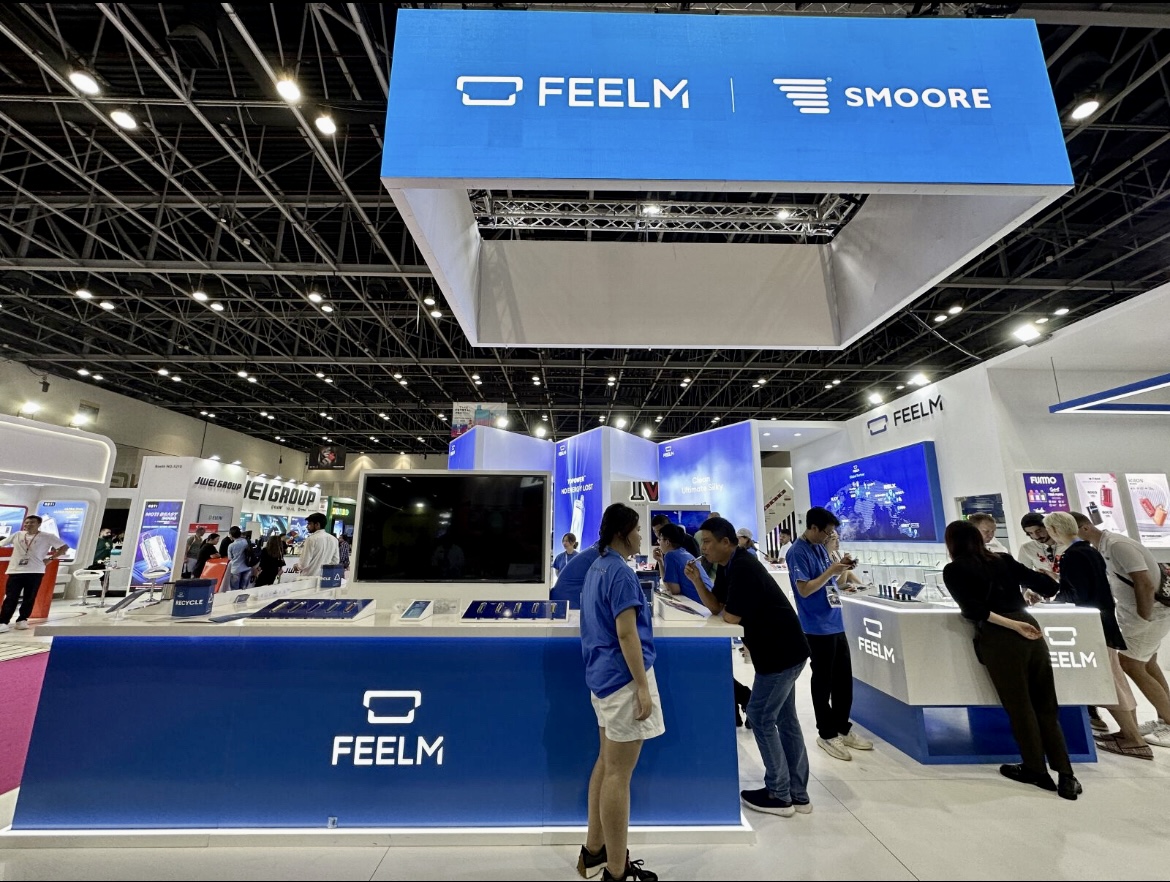
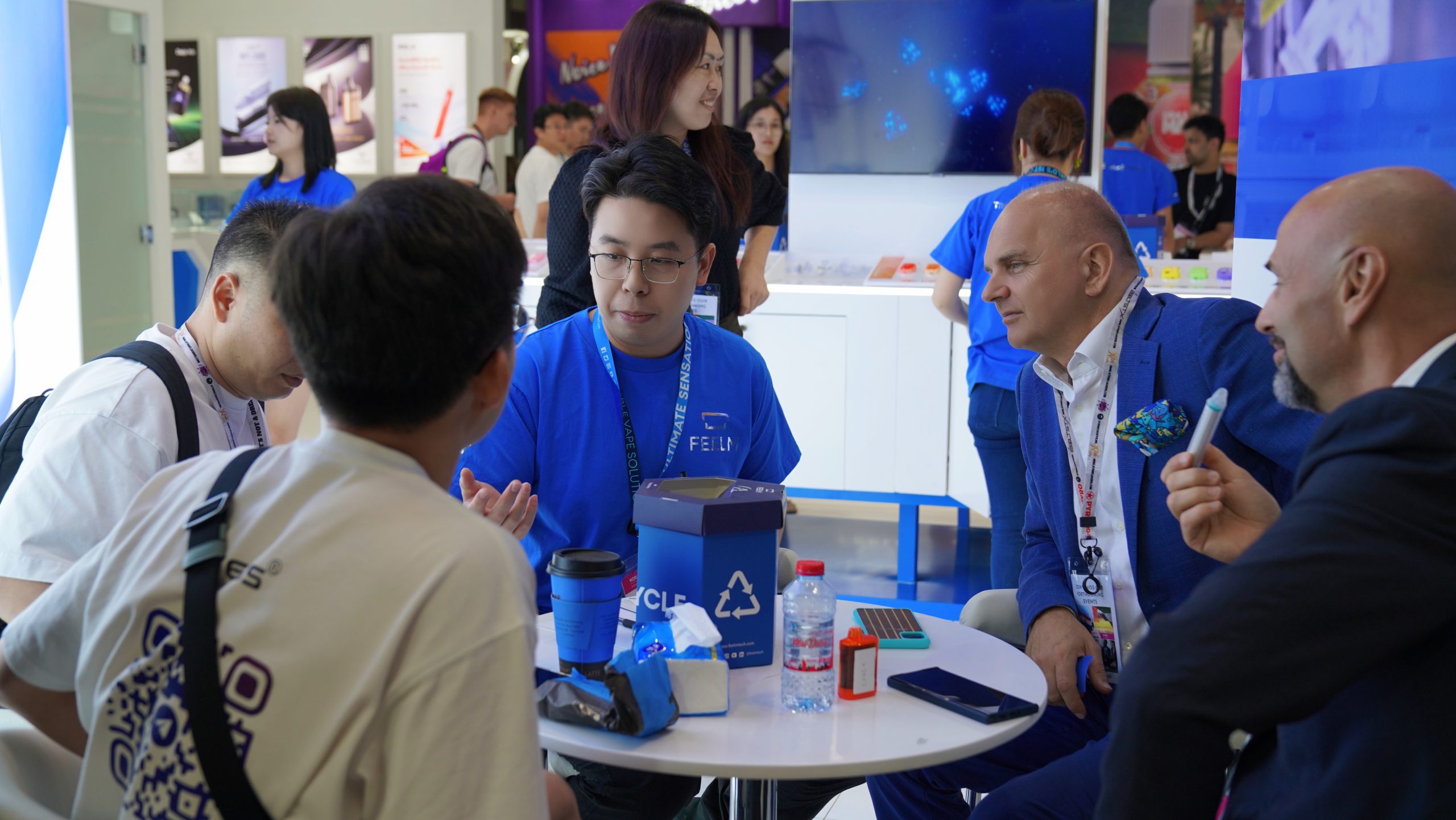
    A new disposable vape battery solution was showcased during the World Vape Show Dubai, held from June 21-23.
    The pioneering power technology developed by FEELM, a subsidiary of the world’s largest atomization technology company Smoore, is intended for markets that allow higher puff counts and has been designed to increase the endurance of single-use devices.

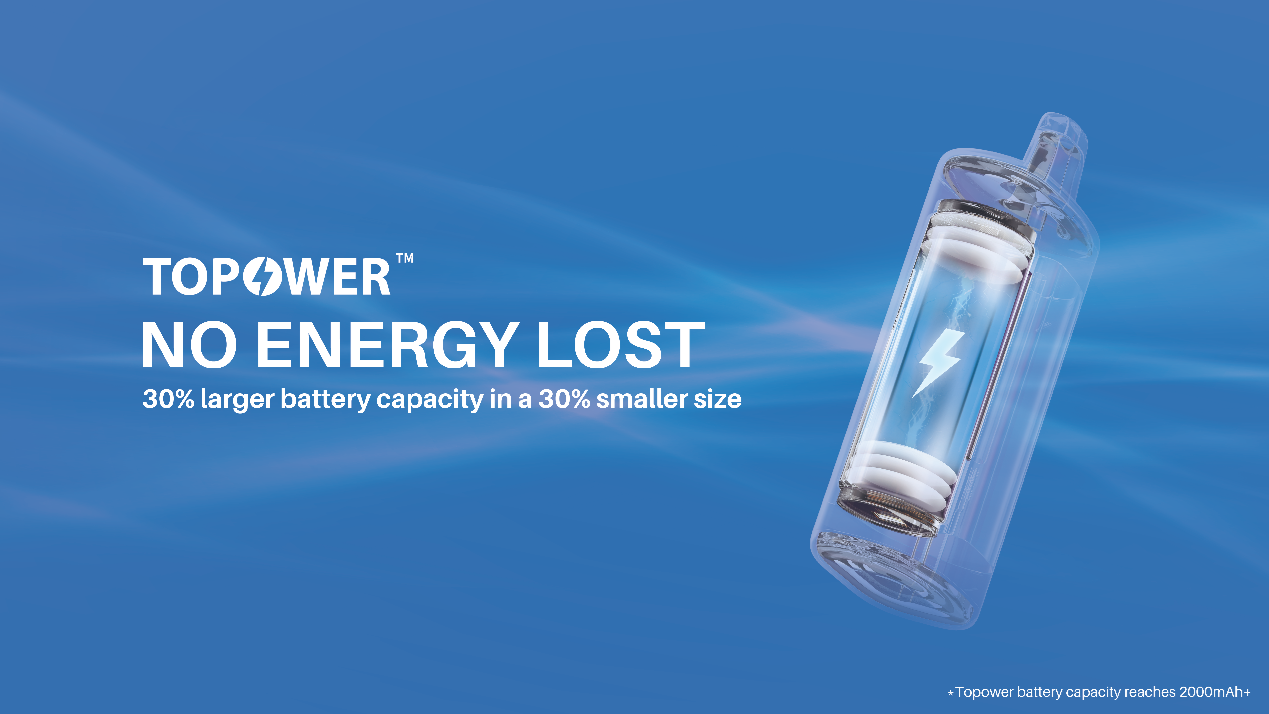
    When compared to mainstream batteries, the new Topower offers 30 percent more capacity with the battery size remaining unchanged and can deliver over 6,000 puffs without needing to be recharged.

    Topower also provides a constant power output that reduces the loss of taste caused by voltage drop.

    FEELM says the new innovation also boasts the “longest shelf life in the industry,” according to a press release, promising just 1 percent power attenuation over six months and 3 percent over a year – which the brand says is 1/10th the level seen in traditional batteries.
    “This is our new battery technology customized for higher puff disposable vape, with large puff vaping without charging, ultimate-low discharge, ultimate-high energy density,” said Rex Zhang assistant president of FEELM. “The end goal for our industry is to create a smoke-free future and unburden adults from the harms of deadly cigarettes – technology is going to play a leading role in achieving this.”

    Zhang said the no-charge element of Topower was beneficial not just for brands, but for consumers as well. He said the battery solution eradicates the need for additional charging cables, which eliminates the necessity for internal charging devices and consequently saves on production costs.

    He also said consumers would no longer need to “worry about when and where they could next plug their disposable, which can reduce user anxieties and create a more convenient vaping experience,” according to the release.

    Topower has been incorporated into two solutions – FEELM Max’s ceramic coil disposable solution and Power Alpha‘s mesh coil solution.

    FEELM Max and Power Alpha have already been extensively commercialized and have achieved considerable success in multiple countries.

  • Max Ceramic Coil and Topower Show in Dubai

    Max Ceramic Coil and Topower Show in Dubai

    FEELM, the subsidiary of the world’s largest atomization technology company, Smoore, exhibited two innovations that have been developed to “raise product performance” across the disposable vape category during an industry event in Dubai.

    The FEELM Max’s ceramic coil and Topower battery technology were created as part of a targeted effort to ‘level up the single-use sector’ and enhance consumer experience, according to a press release.

    The pioneering advancements both earned attention from the industry and are already appearing in devices from globally recognized brands.

    FEELM says each was designed to address a “pain point” of the industry.

    FEELM Max’s ceramic coil has done away with super-absorbent cotton to reduce the amount of e-liquid that goes to waste and increase the puff count of TRPR- and TPD-compliant 2ml disposables in the UK by as much as 30 percent – a rise from 600 to at least 800 puffs.

    It also reduces impurities by 78 percent during the heating process, produces air particles that are 55 percent smaller than mainstream solutions and uses a “constant power engine” that provides a vapor consistency of 95 percent and a 35 percent improvement in taste consistency.

    The second notable innovation is FEELM’s Topower battery technology. This breakthrough increases the endurance of large e-liquid capacity vapes and can provide over 6,000 puffs without needing to recharge, which allows consumers to get rid of the hassle of charging.

    Further, the compact power solution – which offers 30 percent more capacity – delivers a consistent output which FEELM says will counter the common issue of flavor reduction caused by voltage drop.

    Topower also promises a longer shelf life, with 1 percent power attenuation over six months and 3 percent power attenuation over a year. This advancement effectively avoids the burning taste and assures a strong consistency of flavor.

    Speaking on the developments, Rex Zhang, assistant president at FEELM, said the company prides itself on being the brand behind the brands and its technology has become to vaping what Intel Core processors are to laptops.

    “We aim to elevate the disposable category to a whole new level through innovation– our ceramic coils and Topower battery solution represent two significant successes on this front,” he said, adding that technology will be a “critical metric” on which to measure the winners and losers of the industry moving forward. “The vape category is fuelled by the desire to help adult smokers switch away from cigarettes – but it is built on innovation.”

  • McKinney Hires Fearon as Chief Scientific Officer

    McKinney Hires Fearon as Chief Scientific Officer

    McKinney Regulatory Science Advisors stated today that it has appointed Ian Fearon as its new Chief Scientific Officer.

    Fearon will play a pivotal role in enhancing the regulatory science consulting firm’s capabilities and expanding its range of services to clients, according to a press release.

    “Fearon brings over 15 years of invaluable experience in the field of Tobacco Harm Reduction, with a specific focus on clinical and behavioral studies of these products,” the release states. “His deep understanding of regulatory submissions in the United States and Europe will enable McKinney Regulatory Science Advisors to provide unparalleled support and guidance to clients navigating the complex regulatory landscape.”

    Prior to joining McKinney, Fearon held key leadership positions at several industry organizations such as senior director of Clinical and Regulatory Affairs EMEA at Juul Labs, where he helped advance the scientific understanding of tobacco and nicotine products and supported the company’s premarket tobacco product application (PMTA) submission to the U.S. Food and Drug Administration.

    Fearon also served as the director of Tobacco Research at Celerion, where he contributed to the development of clinical evidence to support regulatory filings, and as principal scientist and head of Clinical Research at British American Tobacco.

    Fearon has published more than 60 papers, including more than 20 on tobacco/nicotine product assessment, which generated more than 3,200 citations, according to the release.

    “We are thrilled to welcome Ian as our Chief Scientific Officer,” said company CEO Willie McKinney. “His extensive experience and deep knowledge of tobacco and nicotine science and worldwide regulations make him an invaluable asset to our team. With Ian’s guidance, we will continue to provide exceptional scientific and regulatory consulting services to our clients, facilitating their success in bringing innovative consumer products to market.”

    As the Chief Scientific Officer at McKinney Regulatory Science Advisors, Fearon will oversee the company’s scientific operations, lead strategic initiatives, and drive innovation in the regulatory science domain, according to the release.

  • CTP Hires Health Equity Advisor

    CTP Hires Health Equity Advisor

    The U.S. Food and Drug Administration Center for Tobacco Products (CTP) has hired Charlene Le Fauve as its first senior advisor for health equity.

    “Dr. Le Fauve is a behavioral scientist and addiction researcher with 25 years of federal work experience related to health equity and health disparities research,” the CTP wrote on its website. “She has dedicated her career to advancing health equity and the health of underserved and underrepresented populations through research and research workforce development.”

    Most recently, Le Fauve served as the senior advisor to the chief officer for scientific workforce diversity at the National Institutes of Health (NIH). In this role, she educated national audiences about NIH’s role in scientific workforce diversity and health equity research.

    Prior to her NIH role, Le Fauve held various leadership roles, such as the deputy director of disparities research and global mental health at the National Institutes of Mental Health and the senior policy coordinator and lead for the Center for Medicare and Medicaid Services Team at the Department of Health and Human Services.

    “Diversity, Equity, Inclusion, and Accessibility are core values of CTP, and efforts are underway to ensure that the full scope of the Center’s work is reflective of these principles. In this new position, which is the first of its kind for any Center at FDA, Dr. Le Fauve will work with all of CTP’s Offices to ensure health equity is integrated into the Center’s programmatic plans and priorities,” the CTP said.

    “She also will serve as CTP’s primary representative in a variety of activities that promote and facilitate the reduction of tobacco-related health disparities, including during external meetings, conferences, and presentations.”

  • FDA to Seize Illegal Vapes

    FDA to Seize Illegal Vapes

    Photo: N Felix

    The U.S. Food and Drug Administration has issued “Import Alert 98-06” that states the regulatory agency will detain new tobacco products such as e-cigarettes without marketing authorization at the border.

    The companies impacted would include all importers, manufacturers and transporters of vaping product brands such as ELFBAR, EBDESIGN, Eonsmoke, Esco Bar and Stik that are on the agency’s “Red List.”

    The alert covers China, South Korea and the United States.

    “Divisions may detain, without physical examination, the tobacco products identified on the Red List of this Import Alert. If the division is not sure whether a tobacco product is the same product as one identified on the Red List, the division should consult with the Center for Tobacco Products (CTP)” the alert states. “CTP concurrence is required to add a product to the Red List.”

    In order to remove a firm’s product from the Red List, companies must provide information to the FDA that adequately demonstrates that the firm has resolved the conditions that gave rise to the appearance of the violation.

    “The purpose of this is so that the Agency will have confidence that future shipments/entries will be in compliance with the Federal Food Drug and Cosmetic Act (FD&C Act). For further guidance on removal from detention without physical examination, refer to FDAs Regulatory Procedures Manual (RPM), Chapter 9-8, ‘Detention without Physical Examination (DWPE),’” the alert states.

    The FDA states that the import alert is to prevent the sale of potentially illegal goods in America; Releasing agency resources to inspect other goods; provide uniform coverage across the country; shift the blame back to the importer to ensure that products imported into the United States comply with FDA laws and regulations, according to the agency.

    In June 2009, the Family Smoking Prevention and Tobacco Control Act gave the FDA the authority to regulate tobacco products, recognizing that it is the primary federal regulator for the manufacture, marketing, and distribution of cigarettes, cigarette tobacco, and smokeless tobacco.

    The designation rule, published in the Federal Register on May 10, 2016, and effective August 8, 2016, extends FDA’s authority to designated tobacco products, such as e-cigarettes, cigars, hookahs, and pipe tobacco, as well as their components and parts, but not their accessories.

  • Portugal Mulls New Rules for Tobacco

    Portugal Mulls New Rules for Tobacco

    Credit: Sezerozger

    New legislation aims to restrict the use and sale of all tobacco products in Portugal, including e-cigarettes and heated tobacco.

    A new bill would ban smoking in outdoor spaces next to public buildings such as schools, colleges and hospitals. It will also tighten control over the sale and marketing of cigarettes and other tobacco products in the country.

    The aim is that by 2025 tobacco products will only be available for purchase in tobacconists, petrol stations and airports, reports EuroNews.

    If enacted, it will no longer be possible to sell tobacco directly or through vending machines in places such as restaurants, bars, concert halls and venues, casinos, fairs and exhibitions. The products will also be prohibited at music festivals.

    Portugal is also complying with the European directive of June 29, 2022, which puts heated tobacco products on an equal footing with other tobacco products.

  • Nicotine E-Liquid Taken Off Poisons List

    Nicotine E-Liquid Taken Off Poisons List

    Malaysia’s government has removed e-liquid containing nicotine used in e-cigarettes and other vaping products from the country’s Poisons List of controlled substances. The move enables taxation on e-liquids.

    Media reports claim the removal effectively legalizes e-cigarettes with nicotine without any regulations in place, as the current Control of Tobacco Products Regulations 2004 under the Food Act 1983 only cover conventional cigarettes and other tobacco products.

    The Control of Tobacco Product and Smoking Bill 2022 – which seeks to regulate both tobacco and vape products, besides a ban on these products for anyone born from 2007 – has yet to be tabled in the current 15th Parliament, reports Code Blue.

    Health Minister Zaliha Mustafa gazetted an order Friday to exempt nicotine “preparation of a kind used for smoking through electronic cigarette and electric vaporizing device, in the form of liquid or gel” from the Poisons List under the Poisons Act 1952 – overriding the Poisons Board that unanimously rejected the proposal last Wednesday.

    The Excise Duties (Amendment) Order 2023 – which subjects e-liquid or gel containing nicotine to excise duty of 40 sen ($0.004 cents) per milliliter – gazetted by Finance Minister Anwar Ibrahim, who is also the prime minister, was dated last March 29, the same day as the Poisons Board meeting.

    The tax on e-liquids with nicotine went into effect on April 1.

    CodeBlue reported that the Poisons Board, an independent body formed under the Poisons Act, wholly objected to the government’s proposal to exclude nicotine-containing e-liquid from the Poisons List on the basis that the harm of allowing e-cigarettes to be sold to anyone, including children, outweighed the benefit of tax revenue from such products containing nicotine, a highly addictive substance.

  • Reynolds Likely to Prevail in PMTA Lawsuit

    Reynolds Likely to Prevail in PMTA Lawsuit

    When the U.S. Court of Appeals for the 5th Circuit granted a stay to R.J. Reynolds Vapor Co. (RJRV) of the U.S. Food and Drug Administration’s denial of its 150,000-page premarket tobacco product application (PMTA) for its menthol Vuse products, the judges indicated that the court believes RJRV is likely to prevail on the merits when the full review is heard. 

    Tobacco harm reduction expert Clive Bates of Counterfactual said the substantive decision rests on three main arguments, as outlined by the judges granting the stay. The order states: “Specifically, RJRV demonstrates that the FDA failed to reasonably consider the company’s legitimate reliance interests concerning the need for longitudinal studies and marketing plans; failed to consider relevant evidence, inter alia, that youthful users do not like menthol-flavored e-cigarettes; and has created a de facto rule banning all nontobacco-flavored e-cigarettes without following APA notice and comment requirements.”

    The three main points argued by the court are outlined below:

    FDA changed the decision-making criteria after the application.

    1. Legitimate reliance interests

    “The FDA did not reasonably consider RJRV’s legitimate reliance interests before changing its position on the types of comparative studies and marketing plans critical to a compliant and complete PMTA.”

    Failure to consider Reynolds’ arguments adequately 

    2. Failure to consider relevant factors

    The FDA did not adequately address RJRV’s evidence that substantial health benefits would accrue to adult and youth cigarette smokers alike who switched to menthol Vuse while popularity among youth would remain low overall. For example, RJRV’s application contained studies that “switching from smoking to use of menthol Vuse Vibe substantially reduces toxicant exposure in a manner similar to smoking abstinence.” RJRV also submitted evidence of low popularity among youth relative to other flavored electronic nicotine-delivery systems (ENDS).

    Bates stated that at least one portion of the court’s argument looks troubling for Brian King, the newly appointed director of the FDA’s Center for Tobacco Products (CTP).

    “Then in July 2022, a new CTP director appeared on the scene and told OS that ‘the approach to menthol-flavored ENDS should be the same as for other flavored ENDS, i.e., the products could be found [appropriate for the protection of the public health] only if the evidence showed that the benefits of the menthol-flavored ENDS were greater than tobacco-flavored ENDS, which pose lower risk to youth.’ OS then changed its position.”

    FDA has been implementing a de facto tobacco product standard (a flavor ban) without using the rule-making process, public comment, etc. 

    3. “Tobacco product standard”

    RJRV has adduced evidence that the FDA has effectively banned all nontobacco-flavored e-cigarettes pursuant to its new and secret heightened evidentiary standard without affording affected persons any notice or the opportunity for public comment. There is no dispute that the TCA requires the FDA to abide by notice-and-comment rulemaking procedures before establishing a “tobacco product standard.” 8 21 U.S.C. § 387g(c)–(d). Similarly, it is clear that a ban on all but tobacco-flavored e-cigarettes would constitute a “tobacco product standard.” 

    Bates explains that the court justifies its assertion that the FDA is imposing a de facto standard with reference to the so-called “fatal flaw memo.” This was an expedited decision-making regime that stipulated that applications for nontobacco-flavored products must be supported with controlled trials or longitudinal studies showing a quitting or switching advantage over a tobacco flavor. Otherwise, they would be automatically denied. 

    “We conclude that the Fatal Flaw memo’s heightened evidentiary standard ‘bears all the hallmarks’ of a substantive rule. City of Arlington, 668 F.3d at 242. First, the memo is binding on its face by mandating that applications contain ‘the necessary type of studies.’ Second, it has been applied in a way that indicates it is binding; indeed, the subsequent, myriad Denial Orders refer to the same deficiencies identified as ‘fatal’ in the memo. Third, it took away the FDA reviewers’ former discretion to consider individual PMTAs solely on their merits and instead requires a cursory, box-checking review.

    “Finally, it affected the rights of literally hundreds of thousands of applicants whose PMTAs were denied. This is not a close call.”

    Bates stated that the third point the court makes is potentially “very” serious for the FDA and “not a close call,” as the court suggests. “A tobacco product standard under the TCA s.907 means that the burden is on the FDA to show that its de facto standard is appropriate for the protection of public health—e.g., considering the impact of closing down all vape shops, the likely impact on adults or youth who smoke, unintended consequences, illicit trade, etc.,” explains Bates. “It shifts the analysis from the individual applicant (PMTA) to the system-wide impact (Product Standard)—and FDA will find this difficult or impossible to meet, in my view.”

    Taking everything into account, the court weighs up its decision to grant the stay against four criteria, as Bates outlined: 

    “Our judgment is ‘guided by sound legal principles’ that ‘have been distilled into consideration of four factors: (1) whether the stay applicant has made a strong showing that he is likely to succeed on the merits; (2) whether the applicant will be irreparably injured absent a stay; (3) whether issuance of the stay will substantially injure the other parties interested in the proceeding; and (4) where the public interest lies.’”

    Bates stated that the first of these four criteria reflects the courts’ view on the merits discussed in the three above-stated substantive arguments. In the fourth: where the public interest lies, the court gives significant weight to the “highest public importance that federal agencies follow the law” and states: “In sum, ‘there is generally no public interest in the perpetuation of unlawful agency action,’ Texas v. Biden, 10 F.4th at 560. And there is no evidence that ‘Congress’s policy choice’ included an exemption from mandatory federal administrative procedures.”

    No date has been set for the court to complete its full review.

  • FDA Publishes Citizen Petition Webpage

    FDA Publishes Citizen Petition Webpage

    A new webpage was published by the U.S. Food and Drug Administration of all the tobacco products-related citizen petitions received by the agency’s Center for Tobacco Products (CTP).

    A citizen petition is a way for the FDA to give individuals, regulated industry representatives, or consumer groups to petition the agency to issue, amend, revoke a regulation, or take other administrative action. The requirements for a citizen petition are set out in the Code of Federal Regulations.

    As part of CTP’s stated commitment to increase transparency, the webpage was developed to provide the public with more easily accessible and user-friendly information about tobacco product-related citizen petitions submitted to FDA and the center’s responses.

    This webpage was one of the immediate actions toward transparency outlined by CTP Director Brian King in CTP’s Response to the Reagan-Udall Foundation’s report.